

Ceat SportDrive vs Goodyear Eagle F1 Asymmetric 6
- TR Score
- 7.9/10
- Owners say
- -
- TR Score
- 9.7/10
- Owners say
- 86% · 228
In the 5 independent tests that ran both tyres, the Goodyear Eagle F1 Asymmetric 6 finished ahead 5 times and the SportDrive not once. The Eagle F1 Asymmetric 6 stopped 11.1% shorter in the wet.
Data updated

Which should you buy?
Choose the Goodyear Eagle F1 Asymmetric 6 if you care about wet-weather safety, confident handling and premium all-round performance-it repeatedly delivers materially shorter stopping distances and a higher grip ceiling. Consider the Ceat SportDrive only if purchase/usage-cost metrics (rolling resistance, ADAC value) are your priority and you can accept clearly weaker wet braking/handling headroom, especially in heavy rain or emergency stops.
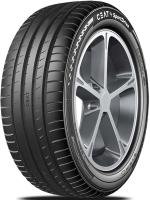
Where the SportDrive is stronger
- Lower rolling resistance / efficiency upside (Auto Express: 7.0 vs 7.63 kg/t; ADAC fuel: 5.5 vs 5.6 l/100 km)
- Better value metric in ADAC (7.98 vs 10.08 price/1000)
- Refinement can be a plus (subjective noise win in Auto Express: 9.0 vs 8.4 points)
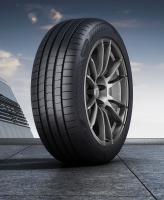
Where the Eagle F1 Asymmetric 6 is stronger
- Consistently shorter braking distances in both dry and wet across all shared tests (10/10 braking comparisons won)
- Stronger wet performance envelope: better wet handling and aquaplaning resistance (e.g., Auto Express wet handling 91.1 s vs 97.7 s; straight aquaplaning 85.4 vs 81.3 km/h)
- Higher tested longevity and lower particulate abrasion in ADAC (wear 50,800 km vs 45,100 km; abrasion 74.2 vs 80.5 mg/km/t)
The bullet points are analysis of the shared tests and of owner reviews; the measured wins in each discipline are in the tables below. Where the two disagree, the figures are right.
SportDrive vs Eagle F1 Asymmetric 6 at a glance
| Category | SportDrive | Gap | Eagle F1 Asymmetric 6 |
|---|---|---|---|
| Shared tests won5 shared tests | 0 | 5 | |
| Dry6 measurements | 0 | The Eagle F1 Asymmetric 6 stopped 5.7% shorter in the dry (5 tests) | 6 |
| Wet12 measurements | 0 | The Eagle F1 Asymmetric 6 stopped 11.1% shorter in the wet (5 tests) | 12 |
| Comfort2 measurements | 1 | Level between the two. | 1 |
| Value4 measurements | 2 | Level between the two. | 2 |
| Tyre Reviews Scoreevery test and review we hold | 7.9/10 | The Eagle F1 Asymmetric 6 by 1.8 | 9.7/10 |
Wins count every measurement the shared tests recorded for both tyres; a tick marks the tyre ahead on that line. Subjective driver scores count as wins but are never averaged, because each test uses its own scale.
Head to head in 5 tests, 2023 to 2026
Each row is one published test in which both tyres ran on the same car, in the same size, on the same day. The line is the whole field, winner on the left.
| Test | SportDrive | Field | Eagle F1 Asymmetric 6 |
|---|---|---|---|
| 2026 Summer Braking Super Tyre Test - How do 52 Tyres Perform in Wet and Dry Braking? | P25 of 50 | P8 of 50 | |
| 2025 Auto Express Summer Tyre Test | P9 of 9 | P6 of 9 | |
| 2025 ADAC Summer Tyre Test | P12 of 18 | P4 of 18 | |
| 2025 Summer Tyre Test Shootout | P28 of 52 | P6 of 52 | |
| 2023 Summer Tyre Market Overview | P21 of 50 | P2 of 50 |

Performance profile
14 measurements from the 5 shared tests, each tyre shown as its share of the better figure in every test.
Where each is furthest ahead
SportDrive
Eagle F1 Asymmetric 6
Point at or tap any spoke for both tyres' figures.
In each test the better of the two figures counts as 100% and the other as its share of it, so a 36 m stop against 34.2 m is 95%; each spoke averages the shared tests that recorded it.
Where each scores higher
SportDrive
Eagle F1 Asymmetric 6
Point at or tap any spoke for both tyres' figures.
Category scores are percentiles among tyres of the same season and class: 90 means this tyre out-performs 90% of them, measured across every test we hold, not only the ones it appeared in.
Every measurement, side by side
Averages of the figures both tyres posted in the same tests. The gap is the average of each test's own gap, so figures from different cars and years are never mixed. Open a discipline for its measurements, and a measurement for every test's figure.
| Measurement | SportDrive | Gap | Eagle F1 Asymmetric 6 | Wins | ||||||||||||||||||||
|---|---|---|---|---|---|---|---|---|---|---|---|---|---|---|---|---|---|---|---|---|---|---|---|---|
| 36.68 | 5.7% | 34.58 | 0-5 | |||||||||||||||||||||
|
||||||||||||||||||||||||
| 83.8 | 1.1% | 82.9 | 0-1 | |||||||||||||||||||||
|
||||||||||||||||||||||||
| 32.58 | 11.1% | 28.96 | 0-5 | |||||||||||||||||||||
|
||||||||||||||||||||||||
| 42 | 14.8% | 35.8 | 0-1 | |||||||||||||||||||||
|
||||||||||||||||||||||||
| 97.7 | 6.8% | 91.1 | 0-1 | |||||||||||||||||||||
|
||||||||||||||||||||||||
| 28.7 | 1.4% | 28.3 | 0-1 | |||||||||||||||||||||
|
||||||||||||||||||||||||
| 78.65 | 4.8% | 82.4 | 0-2 | |||||||||||||||||||||
|
||||||||||||||||||||||||
| 1.84 | 4.7% | 1.95 | 0-2 | |||||||||||||||||||||
|
||||||||||||||||||||||||
| scored | 7.1% | scored | 1-0 | |||||||||||||||||||||
|
||||||||||||||||||||||||
| 71.5 | 0.3 dB | 71.2 | 0-1 | |||||||||||||||||||||
|
||||||||||||||||||||||||
| 45,100 | 12.6% | 50,800 | 0-1 | |||||||||||||||||||||
|
||||||||||||||||||||||||
| 7 | 8.3% | 7.63 | 1-0 | |||||||||||||||||||||
|
||||||||||||||||||||||||
| 5.5 | 1.8% | 5.6 | 1-0 | |||||||||||||||||||||
|
||||||||||||||||||||||||
| 80.5 | 7.8% | 74.2 | 0-1 | |||||||||||||||||||||
|
||||||||||||||||||||||||
Braking distances and lap times are better when lower; speeds, wear and grip figures when higher. A test's figures are its own: sizes, cars, surfaces and temperatures differ from one to the next, which is why the averages here are only ever of tests the two tyres shared. "Scored" rows are subjective driver ratings: each test uses its own scale, so only the wins are counted.
Scores beyond the shared tests
On the Tyre Reviews Score, which weighs every test and review we hold, the SportDrive scores 7.9 and the Eagle F1 Asymmetric 6 9.7 out of 10.
| SportDrive | Category | Eagle F1 Asymmetric 6 | ||
|---|---|---|---|---|
| 68 | Dry | 95 | ||
| 45 | Wet | 93 | ||
| 76 | Comfort | 83 | ||
| 72 | Value | 69 | ||
Category scores are percentiles among tyres of the same season and class: 90 means this tyre out-performs 90% of them, measured across every test we hold, not only the ones it appeared in.
What owners say
| SportDrive | Category | Eagle F1 Asymmetric 6 | ||
|---|---|---|---|---|
| - | Dry Grip | 9.3 | ||
| - | Wet Grip | 9 | ||
| - | Road Feedback | 8.8 | ||
| - | Handling | 8.9 | ||
| - | Wear | 7.6 | ||
| - | Comfort | 8.3 | ||
Owners rate the Eagle F1 Asymmetric 6 86% from 228 reviews; the SportDrive has no owner reviews yet. Reviews are vetted by hand before publication; ownership is not verified.
Ceat SportDrive
No owner reviews yet. Be the first to review it →
Goodyear Eagle F1 Asymmetric 6
- 86%from 228 reviews
- 83%would buy again
- 1,941,005 milesdriven by reviewers
Owners rate the Goodyear Eagle F1 Asymmetric 6 highly overall (84.8% average), most consistently praising its strong dry and wet grip, with many also noting reassuring handling. Around half of reviewers who mention it say it's noticeably quieter than what they replaced, and comfort is commonly described as a step up for a UHP tyre. Longevity is the main talking point: tread life feedback is genuinely split, with a similar number reporting strong mileage as those seeing faster wear. A smaller but recurring complaint is a softer, less supported feel (and occasional extra noise on coarse surfaces) for drivers wanting a firmer, more precise response.
- Excellent dry grip with lots of confidence
- Very strong wet grip for a summer UHP tyre
- Lower road noise than many rivals and OEM fitments
- Comfortable ride for everyday use
- Tread life is inconsistent: some see great mileage, others rapid wear
- Can be noisy on rough or coarse asphalt for a noticeable minority
- Soft sidewall feel can reduce precision and make responses feel less supported
Summarised by AI from 204 vetted reviews; the reviews themselves are on the tyre page.
All 228 Eagle F1 Asymmetric 6 reviewsFirstly I'd like to correct/add to something I said in a review about the Mich PS4 where I mentioned the Asy 6s didn't seem to be doing much better. It seems the last bit of tread in the Asy 6s last much longer!, going from 3mm @12.6k to 1.7mm (a bit close!) @21k, so they last much longer than the PS4 tyres on the rear! (The PS4 tyres only lasted 13.2k miles!!).
For a BMW 330d 2010.
Sizes, EU label and lineage
| Category | SportDrive | Eagle F1 Asymmetric 6 |
|---|---|---|
| Season | Summer | Summer |
| Replaced | - | Goodyear Eagle F1 Asymmetric 5 (2021) |
| Awards | - | Recommended: Best Tyres for Hot Hatches (Compact Sports Cars) (DriverReviews, 2026/27) Winner: SUV Tyre of the Year (WhatTyre, 2024) Winner: Performance Tyre of the Year (WhatTyre, 2023) |
Reading the results
Written from the test results and owner reviews above. It is analysis, not a measurement: where it and the tables disagree, the tables are right.
This is a classic “budget UHP newcomer vs proven premium max-performance” matchup. The Ceat SportDrive aims to offer sporty summer performance with a value angle, while the Goodyear Eagle F1 Asymmetric 6 is a well-established benchmark tyre that's repeatedly near the top of independent group tests.
Across five shared professional tests in multiple sizes (225/40 R18, 225/45 R18, 245/45 R19), the pattern is consistent: the Goodyear dominates the safety-critical disciplines-especially in the wet-while the Ceat's best arguments show up in running costs and refinement. The key question is whether Ceat's efficiency/value strengths can compensate for the measurable grip and braking deficits seen repeatedly in testing.
Conclusion
On outright performance and safety margins, the Goodyear Eagle F1 Asymmetric 6 is the clear winner. It beats the Ceat SportDrive in every shared dry- and wet-braking comparison (5/5 in each), typically by meaningful distances: wet braking gaps range from about +7% to nearly +17% (e.g., 28.3 m vs 34.0 m in the 2025 Shootout, and 29.5 m vs 33.3 m in the 2025 ADAC test). In the real world, those differences are the difference between stopping safely and still travelling at significant speed. The Goodyear also maintains stronger wet handling/aquaplaning resilience (e.g., higher straight aquaplaning speeds in both 2025 Auto Express and ADAC), and it backs this up with strong durability in ADAC wear (50,800 km vs 45,100 km).
The Ceat SportDrive's upside is not performance leadership-it's efficiency and cost metrics. It posts lower rolling resistance in Auto Express (7.0 vs 7.63 kg/t) and slightly better measured fuel consumption in ADAC (5.5 vs 5.6 l/100 km), while also offering better ADAC “value” (7.98 vs 10.08 price/1000). It can also be subjectively quieter in at least one test. However, multiple professional write-ups flag the Ceat's wet grip/traction as its major weakness and note it requires gentler inputs near the limit. Practical takeaway: if you prioritise confident wet-road braking/handling and a well-rounded premium feel, the Goodyear is the smarter, safer choice; the Ceat only makes sense when upfront/usage-cost considerations dominate and you're willing to accept reduced wet-weather headroom.
SportDrive vs Eagle F1 Asymmetric 6: your questions
Is the Ceat SportDrive or the Goodyear Eagle F1 Asymmetric 6 the better tyre?
In the 5 independent tests that ran both tyres, the Goodyear Eagle F1 Asymmetric 6 finished ahead 5 times and the SportDrive not once. On the Tyre Reviews Score, which weighs every test and review we hold, the SportDrive scores 7.9 and the Eagle F1 Asymmetric 6 9.7 out of 10.
Which is better in the wet, the SportDrive or the Eagle F1 Asymmetric 6?
The Eagle F1 Asymmetric 6 led 12 of the 12 wet measurements the shared tests recorded. On average it stopped 11.1% shorter in the wet across 5 tests.
Which is better in the dry?
The Eagle F1 Asymmetric 6 led 6 of the 6 dry measurements the shared tests recorded. On average it stopped 5.7% shorter in the dry across 5 tests.
What do owners say?
Owners rate the Eagle F1 Asymmetric 6 86% from 228 reviews; the SportDrive has no owner reviews yet.
More comparisons with these tyres
vs  Goodyear Eagle F1 Asymmetric 6 vs Michelin Pilot Sport 5
8-5 in 16 shared tests
 vs
Continental PremiumContact 7 vs Goodyear Eagle F1 Asymmetric 6
5-11 in 16 shared tests
 vs
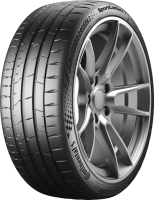
Continental SportContact 7 vs Goodyear Eagle F1 Asymmetric 6
5-2 in 8 shared tests
vs
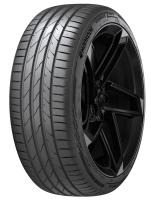 Goodyear Eagle F1 Asymmetric 6 vs Hankook Ventus Evo
1-5 in 6 shared tests
vs
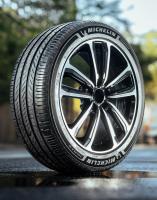 Goodyear Eagle F1 Asymmetric 6 vs Michelin Primacy 5
2-1 in 3 shared tests
vs
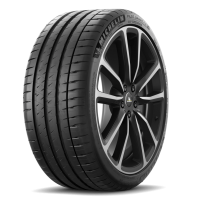 Goodyear Eagle F1 Asymmetric 6 vs Michelin Pilot Sport 4 S
3-0 in 4 shared tests
vs
 Goodyear Eagle F1 Asymmetric 6 vs Pirelli P Zero PZ5
0-2 in 2 shared tests
vs
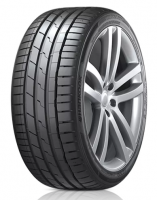 Goodyear Eagle F1 Asymmetric 6 vs Hankook Ventus S1 evo 3
8-1 in 9 shared tests
Run either of these?
Your review is the part of this page no test can supply: how the tyre wore, how it aged, what it was like in the rain in year three. It takes about five minutes.
Where this data comes from
Finishing positions and measurements are transcribed from each published test. A test only counts here when both tyres ran in it, so every figure was recorded on the same car, size and day as the one it is compared to.
About the TR Score
The Tyre Reviews Score rates each tyre out of 10 from every independent test result and vetted owner review we hold, so two tyres can be compared even before a test has run them together.
Who does the testing
Every test published as a Tyre Reviews test is run by Jonathan Benson, who has been testing tyres independently since 2007.
Discussion