

Continental UltraContact NXT vs Michelin e.Primacy
- TR Score
- 9.1/10
- Owners say
- 96% · 2
- TR Score
- 8.2/10
- Owners say
- 67% · 38
In the 2 independent tests that ran both tyres, the Continental UltraContact NXT finished ahead 2 times and the e.Primacy not once. The UltraContact NXT stopped 6.5% shorter in the wet; the e.Primacy had 11.6% lower rolling resistance.
Data updated

Which should you buy?
Pick Continental UltraContact NXT for safety-first driving, mixed climates, frequent wet conditions, and confident handling. Choose Michelin e.Primacy to maximize EV range or fuel economy, prioritize quiet comfort, and drive mainly in dry conditions or milder rain, especially if price-sensitive.
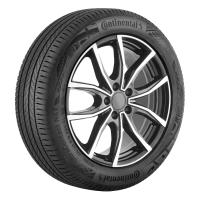
Where the UltraContact NXT is stronger
- Class-leading wet safety: shortest wet braking and superior wet handling across both tests
- Stable, precise dynamics with top subjective handling scores
- Stronger aquaplaning resistance (notably curved aquaplaning +20.6% vs Michelin at Motor)
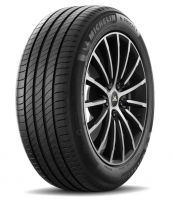
Where the e.Primacy is stronger
- Best-in-test rolling resistance in both tests, maximizing fuel economy and EV range
- Very quiet and comfortable ride with high refinement
- Competitive dry braking (won Motor dry braking) and predictable dry manners
The bullet points are analysis of the shared tests and of owner reviews; the measured wins in each discipline are in the tables below. Where the two disagree, the figures are right.
UltraContact NXT vs e.Primacy at a glance
| Category | UltraContact NXT | Gap | e.Primacy |
|---|---|---|---|
| Shared tests won2 shared tests | 2 | 0 | |
| Dry5 measurements | 4 | 1 | |
| Wet10 measurements | 9 | The UltraContact NXT stopped 6.5% shorter in the wet (2 tests) | 0 |
| Comfort3 measurements | 1 | Level between the two. | 1 |
| Value2 measurements | 0 | The e.Primacy had 11.6% lower rolling resistance (2 tests) | 2 |
| Tyre Reviews Scoreevery test and review we hold | 9.1/10 | The UltraContact NXT by 0.9 | 8.2/10 |
| Owner rating2 and 38 reviews | 96% | The UltraContact NXT by 29 points | 67% |
| Pricein the 2 tests that listed prices | +8.3% | The UltraContact NXT was dearer in 2 of 2 | Cheaper |
| Sizes madeEU label registrations | 20 | 18 sizes made in both | 64 |
Wins count every measurement the shared tests recorded for both tyres; a tick marks the tyre ahead on that line. Subjective driver scores count as wins but are never averaged, because each test uses its own scale.
Head to head in 2 tests in 2025
Each row is one published test in which both tyres ran on the same car, in the same size, on the same day. The line is the whole field, winner on the left.
| Test | UltraContact NXT | Field | e.Primacy |
|---|---|---|---|
| 2025 Motor Low Rolling Resistance (AA) Tyre Test | P1 of 7 | P3 of 7 | |
| 2025 AMS Sustainability Tyre Test | P1 of 6 | P4 of 6 |

Performance profile
7 measurements from the 2 shared tests, each tyre shown as its share of the better figure in every test.
Where each is furthest ahead
UltraContact NXT
e.Primacy
Point at or tap any spoke for both tyres' figures.
In each test the better of the two figures counts as 100% and the other as its share of it, so a 36 m stop against 34.2 m is 95%; each spoke averages the shared tests that recorded it. The scale stops at 92%: a point further in sits on the hub's edge, hollow. 6 measurements recorded in only one shared test are left off; every measurement is in the table further down.
Where each scores higher
UltraContact NXT
e.Primacy
Point at or tap any spoke for both tyres' figures.
Category scores are percentiles among tyres of the same season and class: 90 means this tyre out-performs 90% of them, measured across every test we hold, not only the ones it appeared in.
Every measurement, side by side
Averages of the figures both tyres posted in the same tests. The gap is the average of each test's own gap, so figures from different cars and years are never mixed. Open a discipline for its measurements, and a measurement for every test's figure.
| Measurement | UltraContact NXT | Gap | e.Primacy | Wins | ||||||||
|---|---|---|---|---|---|---|---|---|---|---|---|---|
| 36.45 | 1.3% | 36.95 | 1-1 | |||||||||
|
||||||||||||
| 52.5 | 1.7% | 53.4 | 1-0 | |||||||||
|
||||||||||||
| 107.1 | 0.9% | 106.1 | 1-0 | |||||||||
|
||||||||||||
| scored | 12.7% | scored | 1-0 | |||||||||
|
||||||||||||
| 40.85 | 6.5% | 43.35 | 2-0 | |||||||||
|
||||||||||||
| 84.6 | 1.1% | 85.5 | 1-0 | |||||||||
|
||||||||||||
| 78.4 | 2.8% | 76.3 | 1-0 | |||||||||
|
||||||||||||
| 4.67 | 3% | 4.6 | 2-0 | |||||||||
|
||||||||||||
| 73.95 | 1.8% | 72.65 | 1-0 | |||||||||
|
||||||||||||
| 2.77 | 10.5% | 2.53 | 2-0 | |||||||||
|
||||||||||||
| scored | = | scored | 0-0 | |||||||||
|
||||||||||||
| 67.4 | 0.2 dB | 67.2 | 1-1 | |||||||||
|
||||||||||||
| 6.34 | 11.6% | 5.59 | 0-2 | |||||||||
|
||||||||||||
Braking distances and lap times are better when lower; speeds, wear and grip figures when higher. A test's figures are its own: sizes, cars, surfaces and temperatures differ from one to the next, which is why the averages here are only ever of tests the two tyres shared. "Scored" rows are subjective driver ratings: each test uses its own scale, so only the wins are counted.
Scores beyond the shared tests
On the Tyre Reviews Score, which weighs every test and review we hold, the UltraContact NXT scores 9.1 and the e.Primacy 8.2 out of 10.
| UltraContact NXT | Category | e.Primacy | ||
|---|---|---|---|---|
| 80 | Dry | 71 | ||
| 75 | Wet | 42 | ||
| 93 | Comfort | 97 | ||
| 93 | Value | 97 | ||
Category scores are percentiles among tyres of the same season and class: 90 means this tyre out-performs 90% of them, measured across every test we hold, not only the ones it appeared in.
What owners say
| UltraContact NXT | Category | e.Primacy | ||
|---|---|---|---|---|
| 10 | Dry Grip | 7.5 | ||
| 9.5 | Wet Grip | 5.1 | ||
| 9.5 | Road Feedback | 6.6 | ||
| 10 | Handling | 6.2 | ||
| 9.5 | Wear | 8.2 | ||
| 9.5 | Comfort | 8.1 | ||
Owners rate the UltraContact NXT 96% from 2 reviews and the e.Primacy 67% from 38. Reviews are vetted by hand before publication; ownership is not verified.
Continental UltraContact NXT
- 96%from 2 reviews
- 41,000 milesdriven by reviewers
All 2 UltraContact NXT reviewsI’ve been using the Continental UltraContact NXT tires for about 4,000 km now, and I’m really impressed. From the moment I had them installed, I could feel the difference. They’re incredibly quiet and offer excellent grip on the road. The comfort they provide both in the city and on long drives is remarkable.
What stands out even more is their performance in wet conditions. They stay reliable and give a real sense of safety. Steering feels more responsive, and I’ve definitely noticed shorter braking distances. Plus, the fact that they’re environmentally friendly was an important factor for me, so I feel good about my choice.
In short, I’m very happy with these tires. If you’re looking for a product that delivers performance, comfort, and safety all in one, I’d definitely recommend them.
Michelin e.Primacy
- 67%from 38 reviews
- 35%would buy again
- 707,949 milesdriven by reviewers
Owners most consistently praise the Michelin e.Primacy for being notably quiet and comfortable, with many also reporting strong tread life and good efficiency. However, a meaningful share of reviewers (around half) complain about very weak wet grip, and around one in four specifically describe insecure wet handling, sometimes calling it unsafe on damp UK roads. In the dry it is generally seen as fine for everyday use rather than sporty, with grip and handling typically rated as acceptable.
- Low road noise for relaxed, quiet cruising
- Smooth, comfortable ride quality
- Excellent tread life and slow wear rates
- Respectable dry grip for everyday driving
- Poor wet grip with a lack of confidence on damp roads
- Unsettled wet handling, especially through bends/roundabouts
- Aquaplaning resistance reported as inconsistent
Summarised by AI from 32 vetted reviews; the reviews themselves are on the tyre page.
All 38 e.Primacy reviewsOverall it was a nice experience. Towards the end of its life, the noise increased a bit and the grip noticeably worsened, especially in the last 5,000 kilometers. I used it in mixed conditions on all kinds of roads. The aquaplaning resistance in wet conditions was incredibly good. It was uncomfortable when pushed hard, but good for daily use. The price is a bit high. I used a Citroen e-C4.
Sizes, EU label and lineage
From the EU label registrations for each tyre: 20 sizes of the UltraContact NXT and 64 of the e.Primacy, 18 of them made in both.
| Category | UltraContact NXT | e.Primacy |
|---|---|---|
| Season | Summer | Summer |
| Sizes made | 20 sizes, 16 to 20 inch | 64 sizes, 14 to 20 inch |
| Made in both | 18 sizes 195/55 R16205/55 R16205/55 R17215/55 R17225/55 R17215/50 R18215/55 R18225/45 R18225/50 R18225/55 R18235/45 R18235/50 R18and 6 more | |
| EU label wet grip | A100% | B95%A4%C1% |
| EU label rolling resistance | A100% | A99%B1% |
| EU label noise | 69-70 dB A100% | 68-72 dB B90%A10% |
| On the market since | 2023 | 2020 |
| Awards | Recommended: Best Tyres for Small & Mid-Size SUVs (DriverReviews, 2026/27) Winner: Eco Tyre of the Year (WhatTyre, 2026/27) Winner: Eco Tyre of the Year (WhatTyre, 2025) | Winner: Electric Car Tyre of the Year (WhatTyre, 2023) Winner: Electric Car Tyre of the Year (WhatTyre, 2022) |
| Price in the shared tests | The UltraContact NXT was the dearer tyre in 2 of the 2 tests that listed prices, by 8.3% on average. Each test priced the tyres in its own market at the time; only the gap is comparable. | |
Label grades are shown as the share of registered sizes carrying each grade, so "B (88%), C (12%)" means most sizes are B. Grades vary by size; check the label for yours.
Reading the results
Written from the test results and owner reviews above. It is analysis, not a measurement: where it and the tables disagree, the tables are right.
This head-to-head pits two premium-touring, summer passenger-car tyres with clear eco credentials but different engineering priorities: Continental's UltraContact NXT versus Michelin's e.Primacy. Across two 2025 independent tests (Motor's AA LRR Tyre Test and AMS Sustainability Test), both tyres targeted efficiency and sustainability, yet diverged in how they balance rolling resistance with safety-critical grip.
The Continental dominated dynamic safety, especially in the wet, winning both tests overall. Michelin countered with class-leading rolling resistance and consistently high comfort and noise refinement. Shoppers choosing between them are essentially deciding between maximum efficiency and class-leading all-weather safety margins.
Conclusion
Continental's UltraContact NXT is the performance leader here: it won both shared tests and swept the wet categories, posting markedly shorter wet braking (up to 10% shorter at AMS) and stronger aquaplaning resistance. Dry performance is also steadier, with better handling precision and subjective control. Its trade-off is higher rolling resistance, though still competitive for a premium touring tyre.
Michelin's e.Primacy is the efficiency and comfort specialist. It delivered the best rolling resistance in both tests (up to ~17% advantage at Motor) with very low noise and composed manners, and it can match or edge the Continental in specific dry metrics (e.g., dry braking in the Motor test). However, its weaker aquaplaning and longer wet braking distances limit ultimate safety margins in poor conditions. In value terms, Michelin was also tested at a lower price point in Motor, strengthening its efficiency proposition.
Bottom line: choose Continental if you want the safest, most rounded road performance in mixed weather. Choose Michelin if maximizing range/MPG and cabin refinement is your priority, especially for EVs and high-mileage drivers in predominantly dry climates.
UltraContact NXT vs e.Primacy: your questions
Is the Continental UltraContact NXT or the Michelin e.Primacy the better tyre?
In the 2 independent tests that ran both tyres, the Continental UltraContact NXT finished ahead 2 times and the e.Primacy not once. On the Tyre Reviews Score, which weighs every test and review we hold, the UltraContact NXT scores 9.1 and the e.Primacy 8.2 out of 10.
Which is better in the wet, the UltraContact NXT or the e.Primacy?
The UltraContact NXT led 9 of the 10 wet measurements the shared tests recorded. On average it stopped 6.5% shorter in the wet across 2 tests.
Which is better in the dry?
The UltraContact NXT led 4 of the 5 dry measurements the shared tests recorded.
Which lasts longer and costs less to run?
The e.Primacy had 11.6% lower rolling resistance (2 tests). Owners rate wear 9.5/10 for the UltraContact NXT and 8.2/10 for the e.Primacy.
Which is quieter and more comfortable?
Owners rate comfort 9.5/10 for the UltraContact NXT and 8.1/10 for the e.Primacy.
What do owners say?
Owners rate the UltraContact NXT 96% from 2 reviews and the e.Primacy 67% from 38.
Which is more expensive?
In the 2 tests that listed prices, the UltraContact NXT was the dearer tyre in 2 of them, by 8.3% on average. Prices are the test's own at the time, in its own market.
Are they available in the same sizes?
The UltraContact NXT is made in 20 sizes (16 to 20 inch) and the e.Primacy in 64 (14 to 20 inch). 18 sizes are available in both. On the EU label the UltraContact NXT is graded A for wet grip and A for rolling resistance in most sizes; the e.Primacy B and A.
Which is the newer tyre?
The UltraContact NXT is the newer design: it reached the market in 2023, the e.Primacy in 2020.
Run either of these?
Your review is the part of this page no test can supply: how the tyre wore, how it aged, what it was like in the rain in year three. It takes about five minutes.
Where this data comes from
Finishing positions and measurements are transcribed from each published test. A test only counts here when both tyres ran in it, so every figure was recorded on the same car, size and day as the one it is compared to.
About the TR Score
The Tyre Reviews Score rates each tyre out of 10 from every independent test result and vetted owner review we hold, so two tyres can be compared even before a test has run them together.
Who does the testing
Every test published as a Tyre Reviews test is run by Jonathan Benson, who has been testing tyres independently since 2007.
Discussion