

Ceat WinterDrive vs Firestone Winterhawk 4
- TR Score
- 9.4/10
- Owners say
- -
- TR Score
- 8.1/10
- Owners say
- 72% · 6
The Ceat WinterDrive and the Firestone Winterhawk 4 have met in 4 independent tests and the record is level at 2-2. The WinterDrive lasted 23.8% longer in the wear tests; the Winterhawk 4 stopped 6.2% shorter in the wet.
Data updated

Which should you buy?
Choose by priority. The Firestone Winterhawk 4 is the tyre for wet braking, where it stopped shorter in all four measurements. The Ceat WinterDrive is the value pick and won both full tests, with 32.4 percent longer tread life and a cost per 1000km a quarter lower, plus shorter dry and ice braking.
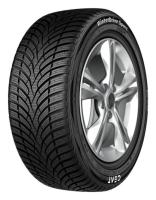
Where the WinterDrive is stronger
- Won both full tests, 10th of 31 against 17th at ADAC in 2025
- 32.4 percent longer tread life at ADAC, 64,600km against 48,800km
- 26.7 percent cheaper per 1000km and shorter dry braking in both measurements
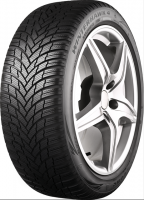
Where the Winterhawk 4 is stronger
- Shorter wet braking in all four measurements, by 5.7 percent at Auto Bild
- Won both braking-only shootouts, 7th of 52 against 19th and 10th of 55 against 24th
- Better straight aquaplaning in both measurements and lower rolling resistance
The bullet points are analysis of the shared tests and of owner reviews; the measured wins in each discipline are in the tables below. Where the two disagree, the figures are right.
WinterDrive vs Winterhawk 4 at a glance
| Category | WinterDrive | Gap | Winterhawk 4 |
|---|---|---|---|
| Shared tests won4 shared tests | 2 | 2 | |
| Dry3 measurements | 3 | The WinterDrive stopped 7.5% shorter in the dry (2 tests) | 0 |
| Wet11 measurements | 1 | The Winterhawk 4 stopped 6.2% shorter in the wet (4 tests) | 10 |
| Snow8 measurements | 2 | 3 | |
| Ice1 measurement | 1 | 0 | |
| Comfort3 measurements | 2 | The WinterDrive was 1.1 dB quieter (2 tests) | 0 |
| Value5 measurements | 3 | The WinterDrive lasted 23.8% longer in the wear tests (2 tests) | 2 |
| Tyre Reviews Scoreevery test and review we hold | 9.4/10 | The WinterDrive by 1.3 | 8.1/10 |
| Pricein the 3 tests that listed prices | Cheaper | The Winterhawk 4 was dearer in 2 of 3 | +10.1% |
Wins count every measurement the shared tests recorded for both tyres; a tick marks the tyre ahead on that line. Subjective driver scores count as wins but are never averaged, because each test uses its own scale.
Head to head in 4 tests, 2024 to 2025
Each row is one published test in which both tyres ran on the same car, in the same size, on the same day. The line is the whole field, winner on the left.
| Test | WinterDrive | Field | Winterhawk 4 |
|---|---|---|---|
| 2025 Autobild Winter Tyre Test | P15 of 20 | P16 of 20 | |
| 2025 Winter Tyre Braking Test - 52 Sets! | P19 of 51 | P7 of 51 | |
| 2025 ADAC Winter Tyre Test | P10 of 31 | P17 of 31 | |
| 2024 Winter 55 Tyre Braking Test | P24 of 55 | P10 of 55 |

Performance profile
7 measurements from the 4 shared tests, each tyre shown as its share of the better figure in every test.
Where each is furthest ahead
WinterDrive
Winterhawk 4
Point at or tap any spoke for both tyres' figures.
In each test the better of the two figures counts as 100% and the other as its share of it, so a 36 m stop against 34.2 m is 95%; each spoke averages the shared tests that recorded it. The scale stops at 92%: a point further in sits on the hub's edge, hollow. 13 measurements recorded in only one shared test are left off; every measurement is in the table further down.
Where each scores higher
WinterDrive
Winterhawk 4
Point at or tap any spoke for both tyres' figures.
Category scores are percentiles among tyres of the same season and class: 90 means this tyre out-performs 90% of them, measured across every test we hold, not only the ones it appeared in.
Every measurement, side by side
Averages of the figures both tyres posted in the same tests. The gap is the average of each test's own gap, so figures from different cars and years are never mixed. Open a discipline for its measurements, and a measurement for every test's figure.
| Measurement | WinterDrive | Gap | Winterhawk 4 | Wins | ||||||||||||||||
|---|---|---|---|---|---|---|---|---|---|---|---|---|---|---|---|---|---|---|---|---|
| 42.75 | 7.5% | 46.2 | 2-0 | |||||||||||||||||
|
||||||||||||||||||||
| 114.7 | 1.7% | 112.8 | 1-0 | |||||||||||||||||
|
||||||||||||||||||||
| 42.03 | 6.2% | 39.43 | 0-4 | |||||||||||||||||
|
||||||||||||||||||||
| 39.7 | 3.8% | 38.2 | 0-1 | |||||||||||||||||
|
||||||||||||||||||||
| 79.8 | 2.1% | 81.5 | 0-1 | |||||||||||||||||
|
||||||||||||||||||||
| 2.5 | 8.7% | 2.3 | 1-0 | |||||||||||||||||
|
||||||||||||||||||||
| 12.69 | 1.1% | 12.55 | 0-1 | |||||||||||||||||
|
||||||||||||||||||||
| 71.7 | 4.4% | 74.85 | 0-2 | |||||||||||||||||
|
||||||||||||||||||||
| 2.06 | 5.8% | 2.18 | 0-1 | |||||||||||||||||
|
||||||||||||||||||||
| 24.08 | 0.6% | 24.25 | 1-0 | |||||||||||||||||
|
||||||||||||||||||||
| 1,396 | 0.2% | 1,410 | 1-1 | |||||||||||||||||
|
||||||||||||||||||||
| 58 | 0.2% | 58.1 | 0-1 | |||||||||||||||||
|
||||||||||||||||||||
| 2.84 | 1.4% | 2.88 | 0-1 | |||||||||||||||||
|
||||||||||||||||||||
| 15.5 | 3.7% | 16.1 | 1-0 | |||||||||||||||||
|
||||||||||||||||||||
| scored | = | scored | 0-0 | |||||||||||||||||
|
||||||||||||||||||||
| 68.55 | 1.1 dB | 69.6 | 2-0 | |||||||||||||||||
|
||||||||||||||||||||
| 58,270 | 23.8% | 46,925 | 2-0 | |||||||||||||||||
|
||||||||||||||||||||
| 9.07 | 6.5% | 8.48 | 0-1 | |||||||||||||||||
|
||||||||||||||||||||
| 5.8 | 1.7% | 5.7 | 0-1 | |||||||||||||||||
|
||||||||||||||||||||
| 64 | 11.1% | 72 | 1-0 | |||||||||||||||||
|
||||||||||||||||||||
Braking distances and lap times are better when lower; speeds, wear and grip figures when higher. A test's figures are its own: sizes, cars, surfaces and temperatures differ from one to the next, which is why the averages here are only ever of tests the two tyres shared. "Scored" rows are subjective driver ratings: each test uses its own scale, so only the wins are counted.
Scores beyond the shared tests
On the Tyre Reviews Score, which weighs every test and review we hold, the WinterDrive scores 9.4 and the Winterhawk 4 8.1 out of 10.
| WinterDrive | Category | Winterhawk 4 | ||
|---|---|---|---|---|
| 93 | Dry | 18 | ||
| 54 | Wet | 86 | ||
| 71 | Comfort | 66 | ||
| 84 | Value | 49 | ||
| 76 | Snow | 69 | ||
| 90 | Ice | 54 | ||
Category scores are percentiles among tyres of the same season and class: 90 means this tyre out-performs 90% of them, measured across every test we hold, not only the ones it appeared in.
What owners say
| WinterDrive | Category | Winterhawk 4 | ||
|---|---|---|---|---|
| - | Dry Grip | 7.3 | ||
| - | Wet Grip | 7.3 | ||
| - | Road Feedback | 6.2 | ||
| - | Handling | 5.5 | ||
| - | Wear | 7.6 | ||
| - | Comfort | 7.7 | ||
| - | Snow Grip | 7.5 | ||
| - | Ice Grip | 6.8 | ||
Owners rate the Winterhawk 4 72% from 6 reviews; the WinterDrive has no owner reviews yet. Reviews are vetted by hand before publication; ownership is not verified.
Ceat WinterDrive
No owner reviews yet. Be the first to review it →
Firestone Winterhawk 4
- 72%from 6 reviews
- 67%would buy again
- 25,300 milesdriven by reviewers
Drivers generally rate the Firestone Winterhawk 4 highly for everyday winter use, with strong confidence in snow and rain, short braking distances, and reassuring all-round performance. Many highlight its good value versus premium brands, along with a quiet, comfortable ride and responsive feel. Overall satisfaction is high across the majority of reviews.
- strong snow performance
- good wet grip and braking
- quiet and comfortable ride
- good value for money
Summarised by AI from 5 vetted reviews; the reviews themselves are on the tyre page.
All 6 Winterhawk 4 reviewsGood quality for mid-range brand, cover winter needs. In general there is no high potential of performance for winter tyres independently of brand!
Sizes, EU label and lineage
| Category | WinterDrive | Winterhawk 4 |
|---|---|---|
| Season | Winter | Winter |
| On the market since | - | 2020 |
| Replaced | - | Firestone Winterhawk 3 (2013) |
| Price in the shared tests | The Winterhawk 4 was the dearer tyre in 2 of the 3 tests that listed prices, by 10.1% on average. Each test priced the tyres in its own market at the time; only the gap is comparable. | |
Reading the results
Written from the test results and owner reviews above. It is analysis, not a measurement: where it and the tables disagree, the tables are right.
Four shared tests, all from Auto Bild and ADAC, split two apiece, and they split by test type. The Ceat WinterDrive won the two full tests, 15th of 22 against the Firestone Winterhawk 4's 16th at Auto Bild in 2025 and 10th of 31 against 17th at ADAC. The Firestone won both braking-only shootouts, 7th of 52 against 19th in 2025 and 10th of 55 against 24th in 2024.
Wet braking explains the Firestone's wins. It stopped shorter in all four measurements, 54.4m against 57.7m at Auto Bild, 5.7 percent, and 34.8m against 36.9m in the braking test. It also resisted straight aquaplaning better in both measurements and rolled with less resistance, 8.48 against 9.07 kg/t.
The Ceat's case is dry braking and cost. It stopped shorter in the dry in both measurements, 43.5m against 47.2m, 7.8 percent, was quieter in both noise measurements, and it lasted far longer, 64,600km against 48,800km at ADAC, 32.4 percent more, which made it 26.7 percent cheaper per 1000km.
Conclusion
This one splits cleanly by what each test measures. The Ceat WinterDrive won both full tests, 15th of 22 against the Firestone Winterhawk 4's 16th at Auto Bild in 2025 and 10th of 31 against 17th at ADAC in 2025, the wider of the two. Its measured strengths are dry braking, both measurements, 43.5m against 47.2m at Auto Bild and 42m against 45.2m at ADAC, tread life, 51,940km against 45,050km and 64,600km against 48,800km, 32.4 percent more, and cost, 7.32 per 1000km against 9.99, 26.7 percent cheaper. It was quieter in both noise measurements, abraded less, 64 against 72mg/km/t, and stopped shorter on ice.
The Firestone Winterhawk 4 won both braking-only comparisons, 7th of 52 against 19th in 2025 and 10th of 55 against 24th in 2024, and the reason is wet braking: shorter in all four measurements, 54.4m against 57.7m at Auto Bild, 5.7 percent. It also resisted straight aquaplaning better in both measurements, won the only wet handling comparison and the only curved aquaplaning measurement, rolled with less resistance, 8.48 against 9.07 kg/t, and used less fuel.
So the answer depends on which failure you fear. The Firestone stops shorter on wet roads, which is where most winter accidents happen in western Europe. The Ceat stops shorter on dry roads and on ice, lasts a third longer and costs a quarter less per 1000km, and it beat the Firestone in both tests that scored the whole tyre. Note also the Ceat has no owner reviews on the site yet, so there is no long-term feedback behind those numbers.
WinterDrive vs Winterhawk 4: your questions
Is the Ceat WinterDrive or the Firestone Winterhawk 4 the better tyre?
The Ceat WinterDrive and the Firestone Winterhawk 4 have met in 4 independent tests and the record is level at 2-2. On the Tyre Reviews Score, which weighs every test and review we hold, the WinterDrive scores 9.4 and the Winterhawk 4 8.1 out of 10.
Which is better in the wet, the WinterDrive or the Winterhawk 4?
The Winterhawk 4 led 10 of the 11 wet measurements the shared tests recorded. On average it stopped 6.2% shorter in the wet across 4 tests.
Which is better in the dry?
The WinterDrive led 3 of the 3 dry measurements the shared tests recorded. On average it stopped 7.5% shorter in the dry across 2 tests.
Which is better in snow?
The Winterhawk 4 led 3 of the 8 snow measurements the shared tests recorded.
Which lasts longer and costs less to run?
The WinterDrive lasted 23.8% longer in the wear tests (2 tests).
Which is quieter and more comfortable?
The WinterDrive was 1.1 dB quieter (2 tests).
What do owners say?
Owners rate the Winterhawk 4 72% from 6 reviews; the WinterDrive has no owner reviews yet.
Which is more expensive?
In the 3 tests that listed prices, the Winterhawk 4 was the dearer tyre in 2 of them, by 10.1% on average. Prices are the test's own at the time, in its own market.
More comparisons with these tyres
vs  Firestone Winterhawk 4 vs Kleber Krisalp HP3
5-10 in 15 shared tests
vs
 Firestone Winterhawk 4 vs Hankook Winter I cept RS3
1-4 in 5 shared tests
 vs
Dunlop Winter Sport 5 vs Firestone Winterhawk 4
10-2 in 12 shared tests
vs
 Firestone Winterhawk 4 vs Michelin Pilot Alpin 5
0-9 in 9 shared tests
vs
 Firestone Winterhawk 4 vs Hankook Winter i cept evo3
2-5 in 7 shared tests
vs
Ceat WinterDrive vs Hankook Winter i cept evo3
0-3 in 3 shared tests
 vs
Bridgestone Blizzak 6 vs Firestone Winterhawk 4
7-0 in 7 shared tests
 vs
Continental WinterContact TS 870 P vs Firestone Winterhawk 4
12-2 in 14 shared tests
Run either of these?
Your review is the part of this page no test can supply: how the tyre wore, how it aged, what it was like in the rain in year three. It takes about five minutes.
Where this data comes from
Finishing positions and measurements are transcribed from each published test. A test only counts here when both tyres ran in it, so every figure was recorded on the same car, size and day as the one it is compared to.
About the TR Score
The Tyre Reviews Score rates each tyre out of 10 from every independent test result and vetted owner review we hold, so two tyres can be compared even before a test has run them together.
Who does the testing
Every test published as a Tyre Reviews test is run by Jonathan Benson, who has been testing tyres independently since 2007.
Discussion