ADAC are one of the most respected sources of tyres tests for a good reason, they are fully independent, and do things most others cannot do such as wear tests, real world fuel usage tests instead of a machine measurement of rolling resistance, and even ice testing for their all season and winter tests.
For their 2025 winter tyre test, ADAC have tested a huge 32 patterns in 225/40 R18. Below is the summary data, be sure to check out the full details on their site.
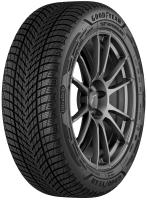
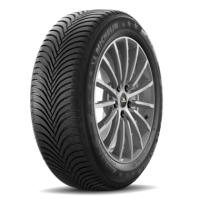
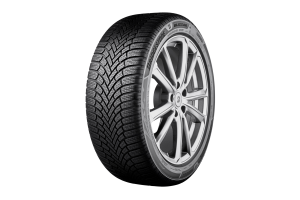
The Goodyear UltraGrip Performance 3 winning the test overall, beating the excellent Michelin Pilot Alpin 5 and Bridgestone Blizzak 6
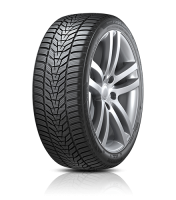
The Hankook Winter I*Cept Evo3 once again performing well
The Goodyear UltraGrip Performance 3 having a predicted treadlife of over 75,000km, but still having grip!
Real world fuel consumption being relatively close between all the tyres
Snow braking not really lining up with ice braking
ADAC are also known for being brutally honest with their tyre notes, keep that in mind when reading the summary of their assessment for each tyre.
We respect it.
Dry
Dry Braking
Dry Braking
Spread: 4.80 M (11.6%)|Avg: 44.08 M
Dry braking in meters (100 - 0 km/h) (Lower is better)
Michelin Pilot Alpin 5
41.40 M
Ceat WinterDrive
42.00 M
Nokian Snowproof P
42.20 M
Goodyear UltraGrip Performance 3
42.30 M
Landsail Winter Lander
42.50 M
Continental WinterContact TS 870 P
42.60 M
Momo North Pole W 20 EUROPA
43.10 M
CST Medallion Winter WCP1
43.30 M
Hankook Winter i cept evo3
43.70 M
Apollo Aspire XP Winter
43.80 M
Bridgestone Blizzak 6
43.80 M
Petlas SnowMaster 2 Sport
43.90 M
Uniroyal WinterExpert
43.90 M
Dunlop Winter Sport 5
44.00 M
Radar Dimax Winter
44.10 M
Kleber Krisalp HP3
44.20 M
Semperit Speed Grip 5
44.30 M
Star Performer Stratos UHP
44.40 M
Point S Winter S
44.50 M
Imperial Snowdragon UHP
44.60 M
Tomket Snowroad Pro 3
44.80 M
Nankang Winter Activa SV 4
44.80 M
GT Radial WinterPro2 Sport
45.00 M
Goodride SW608
45.00 M
Matador MP93 Nordicca
45.10 M
Giti GitiWinterW2
45.20 M
Maxxis Premitra Snow WP6
45.20 M
Firestone Winterhawk 4
45.20 M
Fulda Kristall Control HP2
45.30 M
Syron Everest 2
46.00 M
Evergreen Winter EW66
46.20 M
Wet
Wet Braking
Wet Braking
Spread: 15.40 M (48.6%)|Avg: 35.50 M
Wet braking in meters (80 - 0 km/h) (Lower is better)
Goodyear UltraGrip Performance 3
31.70 M
Michelin Pilot Alpin 5
32.20 M
Bridgestone Blizzak 6
32.30 M
Momo North Pole W 20 EUROPA
32.70 M
Landsail Winter Lander
32.80 M
Uniroyal WinterExpert
32.90 M
Hankook Winter i cept evo3
32.90 M
Continental WinterContact TS 870 P
33.00 M
Firestone Winterhawk 4
33.00 M
Semperit Speed Grip 5
33.30 M
Nokian Snowproof P
33.40 M
Apollo Aspire XP Winter
34.20 M
Dunlop Winter Sport 5
34.40 M
Ceat WinterDrive
34.50 M
Giti GitiWinterW2
34.70 M
Matador MP93 Nordicca
34.90 M
Kleber Krisalp HP3
35.00 M
Point S Winter S
35.00 M
CST Medallion Winter WCP1
35.30 M
Petlas SnowMaster 2 Sport
35.50 M
Nankang Winter Activa SV 4
35.60 M
Fulda Kristall Control HP2
35.90 M
GT Radial WinterPro2 Sport
36.30 M
Maxxis Premitra Snow WP6
36.40 M
Radar Dimax Winter
36.70 M
Imperial Snowdragon UHP
37.80 M
Goodride SW608
38.50 M
Star Performer Stratos UHP
39.90 M
Tomket Snowroad Pro 3
40.40 M
Evergreen Winter EW66
42.30 M
Syron Everest 2
47.10 M
Wet Braking - Concrete
Wet Braking - Concrete
Spread: 16.50 M (45.2%)|Avg: 40.63 M
Wet braking on Concrete in meters (80 - 0 km/h) (Lower is better)
Bridgestone Blizzak 6
36.50 M
Momo North Pole W 20 EUROPA
36.60 M
Goodyear UltraGrip Performance 3
36.60 M
Landsail Winter Lander
36.90 M
Michelin Pilot Alpin 5
36.90 M
Hankook Winter i cept evo3
37.50 M
Semperit Speed Grip 5
37.60 M
Nokian Snowproof P
37.70 M
Continental WinterContact TS 870 P
38.00 M
Uniroyal WinterExpert
38.10 M
Firestone Winterhawk 4
38.20 M
Apollo Aspire XP Winter
38.90 M
Dunlop Winter Sport 5
38.90 M
Ceat WinterDrive
39.70 M
Fulda Kristall Control HP2
40.00 M
Giti GitiWinterW2
40.00 M
CST Medallion Winter WCP1
40.20 M
Point S Winter S
40.40 M
Kleber Krisalp HP3
40.70 M
GT Radial WinterPro2 Sport
40.80 M
Matador MP93 Nordicca
40.90 M
Petlas SnowMaster 2 Sport
41.00 M
Maxxis Premitra Snow WP6
41.00 M
Nankang Winter Activa SV 4
41.40 M
Radar Dimax Winter
41.70 M
Imperial Snowdragon UHP
43.60 M
Goodride SW608
44.70 M
Star Performer Stratos UHP
47.10 M
Tomket Snowroad Pro 3
47.30 M
Evergreen Winter EW66
47.70 M
Syron Everest 2
53.00 M
Wet Circle
Wet Circle
Spread: 1.80 m/s (58.1%)|Avg: 2.48 m/s
Lateral wet grip in m/s squared (Higher is better)
Giti GitiWinterW2
3.10 m/s
Dunlop Winter Sport 5
3.00 m/s
Goodyear UltraGrip Performance 3
3.00 m/s
Fulda Kristall Control HP2
2.90 m/s
Bridgestone Blizzak 6
2.90 m/s
Hankook Winter i cept evo3
2.90 m/s
Maxxis Premitra Snow WP6
2.70 m/s
Continental WinterContact TS 870 P
2.70 m/s
Kleber Krisalp HP3
2.60 m/s
Uniroyal WinterExpert
2.60 m/s
Semperit Speed Grip 5
2.60 m/s
Nankang Winter Activa SV 4
2.50 m/s
Radar Dimax Winter
2.50 m/s
Ceat WinterDrive
2.50 m/s
CST Medallion Winter WCP1
2.50 m/s
GT Radial WinterPro2 Sport
2.50 m/s
Tomket Snowroad Pro 3
2.50 m/s
Apollo Aspire XP Winter
2.50 m/s
Landsail Winter Lander
2.50 m/s
Goodride SW608
2.40 m/s
Matador MP93 Nordicca
2.40 m/s
Michelin Pilot Alpin 5
2.40 m/s
Point S Winter S
2.40 m/s
Firestone Winterhawk 4
2.30 m/s
Momo North Pole W 20 EUROPA
2.30 m/s
Star Performer Stratos UHP
2.20 m/s
Nokian Snowproof P
2.00 m/s
Petlas SnowMaster 2 Sport
2.00 m/s
Imperial Snowdragon UHP
1.80 m/s
Syron Everest 2
1.30 m/s
Straight Aqua
Straight Aqua
Spread: 17.30 Km/H (21.9%)|Avg: 72.12 Km/H
Float Speed in Km/H (Higher is better)
Giti GitiWinterW2
78.90 Km/H
Goodyear UltraGrip Performance 3
77.10 Km/H
Kleber Krisalp HP3
76.90 Km/H
Michelin Pilot Alpin 5
75.20 Km/H
Continental WinterContact TS 870 P
75.20 Km/H
CST Medallion Winter WCP1
75.10 Km/H
Bridgestone Blizzak 6
74.90 Km/H
Maxxis Premitra Snow WP6
74.60 Km/H
Semperit Speed Grip 5
74.20 Km/H
Fulda Kristall Control HP2
74.00 Km/H
Hankook Winter i cept evo3
74.00 Km/H
Firestone Winterhawk 4
73.80 Km/H
Point S Winter S
73.50 Km/H
GT Radial WinterPro2 Sport
73.40 Km/H
Dunlop Winter Sport 5
73.20 Km/H
Apollo Aspire XP Winter
72.60 Km/H
Matador MP93 Nordicca
72.30 Km/H
Uniroyal WinterExpert
72.10 Km/H
Goodride SW608
72.10 Km/H
Nankang Winter Activa SV 4
71.90 Km/H
Ceat WinterDrive
71.50 Km/H
Momo North Pole W 20 EUROPA
71.10 Km/H
Landsail Winter Lander
71.10 Km/H
Evergreen Winter EW66
70.80 Km/H
Imperial Snowdragon UHP
68.70 Km/H
Tomket Snowroad Pro 3
67.90 Km/H
Nokian Snowproof P
67.80 Km/H
Radar Dimax Winter
67.70 Km/H
Star Performer Stratos UHP
66.80 Km/H
Petlas SnowMaster 2 Sport
65.80 Km/H
Syron Everest 2
61.60 Km/H
Snow
Snow Braking
Snow Braking
Spread: 3.00 M (32.6%)|Avg: 9.90 M
Snow braking in meters (30 - 0 km/h) (Lower is better)
Syron Everest 2
9.20 M
Kleber Krisalp HP3
9.40 M
Michelin Pilot Alpin 5
9.40 M
Dunlop Winter Sport 5
9.50 M
Radar Dimax Winter
9.50 M
Semperit Speed Grip 5
9.60 M
Bridgestone Blizzak 6
9.60 M
Firestone Winterhawk 4
9.70 M
Uniroyal WinterExpert
9.70 M
Matador MP93 Nordicca
9.70 M
Goodyear UltraGrip Performance 3
9.70 M
Maxxis Premitra Snow WP6
9.70 M
Hankook Winter i cept evo3
9.70 M
GT Radial WinterPro2 Sport
9.70 M
Ceat WinterDrive
9.70 M
Point S Winter S
9.70 M
Fulda Kristall Control HP2
9.70 M
Evergreen Winter EW66
9.70 M
Momo North Pole W 20 EUROPA
9.80 M
Continental WinterContact TS 870 P
9.80 M
Apollo Aspire XP Winter
9.80 M
Star Performer Stratos UHP
9.90 M
Giti GitiWinterW2
10.00 M
Nokian Snowproof P
10.00 M
Tomket Snowroad Pro 3
10.00 M
Nankang Winter Activa SV 4
10.30 M
Imperial Snowdragon UHP
10.30 M
Petlas SnowMaster 2 Sport
10.40 M
Goodride SW608
10.50 M
CST Medallion Winter WCP1
10.90 M
Landsail Winter Lander
12.20 M
Snow Traction
Snow Traction
Spread: 69.00 N (27.2%)|Avg: 233.61 N
Pulling Force in Newtons (Higher is better)
Syron Everest 2
254.00 N
Kleber Krisalp HP3
249.00 N
Michelin Pilot Alpin 5
245.00 N
Ceat WinterDrive
245.00 N
Radar Dimax Winter
244.00 N
Fulda Kristall Control HP2
243.00 N
Firestone Winterhawk 4
243.00 N
Matador MP93 Nordicca
242.00 N
Goodyear UltraGrip Performance 3
242.00 N
Dunlop Winter Sport 5
241.00 N
Star Performer Stratos UHP
239.00 N
Bridgestone Blizzak 6
239.00 N
Hankook Winter i cept evo3
238.00 N
Point S Winter S
238.00 N
Tomket Snowroad Pro 3
238.00 N
GT Radial WinterPro2 Sport
237.00 N
Evergreen Winter EW66
236.00 N
Continental WinterContact TS 870 P
236.00 N
Semperit Speed Grip 5
235.00 N
Uniroyal WinterExpert
235.00 N
Momo North Pole W 20 EUROPA
234.00 N
Maxxis Premitra Snow WP6
233.00 N
Giti GitiWinterW2
231.00 N
Apollo Aspire XP Winter
230.00 N
Nokian Snowproof P
228.00 N
Imperial Snowdragon UHP
227.00 N
Goodride SW608
223.00 N
Petlas SnowMaster 2 Sport
222.00 N
Nankang Winter Activa SV 4
212.00 N
CST Medallion Winter WCP1
198.00 N
Landsail Winter Lander
185.00 N
Ice
Ice Braking
Ice Braking
Spread: 5.90 M (38.8%)|Avg: 17.08 M
Ice braking in meters (20 - 0 km/h) (Lower is better)
Syron Everest 2
15.20 M
Ceat WinterDrive
15.50 M
Radar Dimax Winter
15.80 M
Tomket Snowroad Pro 3
15.90 M
Nokian Snowproof P
16.00 M
Firestone Winterhawk 4
16.10 M
Bridgestone Blizzak 6
16.20 M
Michelin Pilot Alpin 5
16.30 M
Apollo Aspire XP Winter
16.60 M
Momo North Pole W 20 EUROPA
16.70 M
Point S Winter S
16.70 M
Goodyear UltraGrip Performance 3
16.70 M
Landsail Winter Lander
16.70 M
Matador MP93 Nordicca
16.80 M
Kleber Krisalp HP3
16.80 M
Dunlop Winter Sport 5
16.80 M
Petlas SnowMaster 2 Sport
16.90 M
GT Radial WinterPro2 Sport
17.00 M
Semperit Speed Grip 5
17.00 M
Fulda Kristall Control HP2
17.00 M
Hankook Winter i cept evo3
17.40 M
Imperial Snowdragon UHP
17.40 M
Star Performer Stratos UHP
17.40 M
Uniroyal WinterExpert
17.40 M
Maxxis Premitra Snow WP6
17.50 M
Giti GitiWinterW2
17.80 M
Continental WinterContact TS 870 P
18.10 M
Goodride SW608
18.20 M
Nankang Winter Activa SV 4
19.10 M
CST Medallion Winter WCP1
19.30 M
Evergreen Winter EW66
21.10 M
Comfort
Noise
Noise
Spread: 5.20 dB (7.4%)|Avg: 72.55 dB
External noise in dB (Lower is better)
Point S Winter S
70.30 dB
Nokian Snowproof P
70.90 dB
Matador MP93 Nordicca
71.10 dB
Goodyear UltraGrip Performance 3
71.20 dB
Momo North Pole W 20 EUROPA
71.40 dB
Michelin Pilot Alpin 5
71.50 dB
Ceat WinterDrive
71.60 dB
Landsail Winter Lander
71.60 dB
Tomket Snowroad Pro 3
71.60 dB
Continental WinterContact TS 870 P
71.80 dB
Star Performer Stratos UHP
71.90 dB
Kleber Krisalp HP3
71.90 dB
Nankang Winter Activa SV 4
72.00 dB
Syron Everest 2
72.10 dB
Radar Dimax Winter
72.30 dB
Imperial Snowdragon UHP
72.40 dB
Bridgestone Blizzak 6
72.40 dB
Giti GitiWinterW2
72.50 dB
Evergreen Winter EW66
72.70 dB
GT Radial WinterPro2 Sport
72.80 dB
Firestone Winterhawk 4
72.90 dB
Maxxis Premitra Snow WP6
73.00 dB
Uniroyal WinterExpert
73.20 dB
Petlas SnowMaster 2 Sport
73.30 dB
Goodride SW608
73.40 dB
Apollo Aspire XP Winter
74.00 dB
Dunlop Winter Sport 5
74.10 dB
Semperit Speed Grip 5
74.20 dB
Fulda Kristall Control HP2
74.30 dB
Hankook Winter i cept evo3
75.30 dB
CST Medallion Winter WCP1
75.50 dB
Value
Wear
Wear
Spread: 46800.00 KM (57.8%)|Avg: 55548.39 KM
Predicted tread life in KM (Higher is better)
Radar Dimax Winter
81000.00 KM
Goodyear UltraGrip Performance 3
76500.00 KM
Hankook Winter i cept evo3
72400.00 KM
Michelin Pilot Alpin 5
67000.00 KM
Tomket Snowroad Pro 3
66500.00 KM
Ceat WinterDrive
64600.00 KM
Maxxis Premitra Snow WP6
62400.00 KM
Dunlop Winter Sport 5
61300.00 KM
Momo North Pole W 20 EUROPA
61200.00 KM
Star Performer Stratos UHP
60000.00 KM
Imperial Snowdragon UHP
59300.00 KM
Bridgestone Blizzak 6
57700.00 KM
Fulda Kristall Control HP2
56900.00 KM
CST Medallion Winter WCP1
55400.00 KM
Continental WinterContact TS 870 P
53100.00 KM
Uniroyal WinterExpert
53000.00 KM
Point S Winter S
53000.00 KM
Kleber Krisalp HP3
52700.00 KM
Apollo Aspire XP Winter
51900.00 KM
Nokian Snowproof P
51600.00 KM
Landsail Winter Lander
51000.00 KM
Matador MP93 Nordicca
50100.00 KM
Firestone Winterhawk 4
48800.00 KM
Goodride SW608
48400.00 KM
Semperit Speed Grip 5
47900.00 KM
Evergreen Winter EW66
47700.00 KM
Petlas SnowMaster 2 Sport
46300.00 KM
GT Radial WinterPro2 Sport
44600.00 KM
Giti GitiWinterW2
43700.00 KM
Syron Everest 2
41800.00 KM
Nankang Winter Activa SV 4
34200.00 KM
Fuel Consumption
Fuel Consumption
Spread: 0.40 l/100km (7.1%)|Avg: 5.74 l/100km
Fuel consumption in Litres per 100 km (Lower is better)
Star Performer Stratos UHP
5.60 l/100km
Point S Winter S
5.60 l/100km
Petlas SnowMaster 2 Sport
5.60 l/100km
Matador MP93 Nordicca
5.60 l/100km
Continental WinterContact TS 870 P
5.60 l/100km
Maxxis Premitra Snow WP6
5.60 l/100km
Tomket Snowroad Pro 3
5.60 l/100km
Evergreen Winter EW66
5.70 l/100km
Syron Everest 2
5.70 l/100km
Hankook Winter i cept evo3
5.70 l/100km
Nokian Snowproof P
5.70 l/100km
Firestone Winterhawk 4
5.70 l/100km
Goodride SW608
5.70 l/100km
Dunlop Winter Sport 5
5.70 l/100km
Kleber Krisalp HP3
5.70 l/100km
GT Radial WinterPro2 Sport
5.80 l/100km
Radar Dimax Winter
5.80 l/100km
Fulda Kristall Control HP2
5.80 l/100km
Ceat WinterDrive
5.80 l/100km
Bridgestone Blizzak 6
5.80 l/100km
Landsail Winter Lander
5.80 l/100km
Goodyear UltraGrip Performance 3
5.80 l/100km
Uniroyal WinterExpert
5.80 l/100km
Semperit Speed Grip 5
5.80 l/100km
Giti GitiWinterW2
5.80 l/100km
Michelin Pilot Alpin 5
5.80 l/100km
Imperial Snowdragon UHP
5.80 l/100km
Apollo Aspire XP Winter
5.80 l/100km
CST Medallion Winter WCP1
5.90 l/100km
Nankang Winter Activa SV 4
5.90 l/100km
Momo North Pole W 20 EUROPA
6.00 l/100km
19,000 km
£1.45/L
8.0 L/100km
--
Annual Difference
--
Lifetime Savings
--
Extra Fuel/Energy
--
Extra CO2
Estimates based on typical driving conditions. Rolling resistance accounts for approximately 20% of IC vehicle fuel consumption and 25% of EV energy consumption. Actual savings vary based on driving style, vehicle weight, road conditions, and tyre age. For comparative purposes only. Lifetime savings based on a 40,000km / 25,000 mile tread life.
Abrasion
Abrasion
Spread: 38.00 mg/km/t (76%)|Avg: 67.00 mg/km/t
Weight of Tyre Wear Particles Lost (mg/km/t) (Lower is better)
The Goodyear UltraGrip Performance 3 receives a good overall rating due to its combination of solid driving safety and environmental performance. In terms of driving safety, the tyre provides good handling on dry roads with effective braking distances, though it could be slightly less prone to oversteering during evasive maneuvers. On wet roads, it achieves the best test score with the shortest braking distances, excellent aquaplaning resistance, and superior grip that makes the vehicle easy to control on wet handling courses. For winter conditions, the tyre performs well across all criteria including snow traction, braking on snow and ice, and snow handling, offering good reserves and precise maneuverability. Regarding environmental impact, this German-manufactured tyre earns high marks with very good ratings for predicted mileage and low tyre wear, while also demonstrating low weight and fuel consumption, contributing to its good overall environmental score.
The Michelin Pilot Alpin 5 achieves good ratings in both driving safety and environmental impact, securing a good overall test score. For driving safety, the tyre provides excellent dry road performance with good steering feel, precise response to commands, and outstanding braking distances from 100 km/h that earned it the best score in testing. On wet roads, it excels in braking performance and delivers good handling with adequate safety reserves, though it only receives a satisfactory rating for lateral aquaplaning resistance. In winter conditions, the Michelin performs well across all criteria, offering good traction and braking on snow, effective handling that combines both elements with lateral forces, and good braking distances on ice with precise steering control throughout. Regarding environmental performance, this Spanish-manufactured tyre scores well with very high predicted mileage, very low tyre wear, and good fuel efficiency due to low consumption. However, a negative point is noted regarding production residues on new tyres that unnecessarily end up in the environment during the first kilometers of driving.
The Bridgestone Blizzak 6 delivers good performance in both driving safety and environmental impact, earning a good overall rating. For driving safety, the tyre provides good steering feel and feedback on dry roads with spontaneous and precise response to steering commands, allowing for accurate vehicle control and achieving good braking distances from 100 km/h. On wet surfaces, it also receives good ratings, particularly for braking performance, and scores well in longitudinal aquaplaning resistance and handling with good safety reserves and precise control, though it only achieves a satisfactory rating for lateral aquaplaning resistance. In winter conditions, the Blizzak 6 earns good ratings with effective braking distances on both snow and ice and good traction performance, but narrowly misses a good rating for snow handling as it could better combine longitudinal and lateral forces, offering satisfactory reserves and adequate precision on the handling course. Regarding environmental performance, this Polish-manufactured tyre scores well with good predicted mileage, low tyre wear, and good efficiency thanks to its low weight and fuel consumption.
The Hankook Winter i*cept evo3 W330 narrowly misses a good rating for driving safety but achieves a good overall score thanks to its strong environmental performance. For driving safety, the tyre demonstrates good precision and responsiveness to steering commands on dry roads, with safe and controllable behavior during sudden evasive maneuvers and good braking distances from 100 km/h. On wet surfaces, it earns good ratings overall, achieving good scores for longitudinal aquaplaning resistance, braking distances, and handling with good grip levels and reserves that allow largely precise control, though it only receives a satisfactory rating for lateral aquaplaning resistance. In winter conditions, the Hankook narrowly misses good results, showing slightly above-average performance for braking and acceleration on snow, but falls short in snow handling where it would need to better combine longitudinal and lateral forces and provide improved lateral guidance, and also narrowly misses a good rating for ice braking distances, resulting in an overall satisfactory rating that impacts the driving safety score. Regarding environmental performance, this Hungarian-manufactured tyre achieves good results with very high predicted mileage, low tyre wear, and good efficiency due to low weight and fuel consumption.
The Dunlop Winter Sport 5 achieves good ratings in both driving safety and environmental performance, resulting in a good overall score. For driving safety, while the tyre could provide slightly better steering feel, responsiveness, and precision on dry roads, it maintains good performance limits allowing stable and safe obstacle avoidance with good braking distances from 100 km/h. On wet surfaces, it earns good ratings for braking performance and handling with good safety reserves and precise control over test courses, though it only achieves satisfactory results in both longitudinal and lateral aquaplaning resistance, albeit narrowly missing better scores. In winter conditions, the Winter Sport 5 receives good ratings with effective braking distances on snow and ice, good traction performance, and just barely achieves a good rating for snow handling by adequately combining longitudinal and lateral forces while providing sufficient reserves for largely precise handling course navigation. Regarding environmental impact, this German-manufactured tyre earns good ratings due to its high predicted mileage and low tyre wear, while also scoring well for efficiency thanks to its low weight and fuel consumption.
The Continental WinterContact TS 870 P narrowly misses a good driving safety rating due to its winter road performance but still achieves a good overall score thanks to its strong environmental performance. For driving safety, the tyre provides good steering feel on dry roads with largely spontaneous response and good precision, maintaining good performance limits that allow stable and safe obstacle avoidance with clearly good braking performance from 100 km/h. On wet surfaces, it earns good ratings with strong braking distances and longitudinal aquaplaning resistance, plus good handling with effective grip, precision, and adequate reserves in limit situations, though it only achieves satisfactory results for lateral aquaplaning resistance. In winter conditions, the WinterContact TS 870 P fails to achieve good ratings overall, though it just barely manages good scores for braking and traction tests on snow as well as handling, allowing safe and largely precise control over test courses, but its satisfactory performance in ice braking tests ultimately prevents it from achieving a good winter road rating. Regarding environmental performance, this tyre manufactured in Romania and France receives good ratings with good predicted mileage, clearly good tyre wear ratings, and good efficiency thanks to low weight and fuel consumption.
The Kleber Krisalp HP3 misses a good driving safety rating due to its wet road performance and, despite achieving a good environmental rating, only manages a satisfactory overall score. For driving safety, the tyre provides good steering feel on dry roads with largely spontaneous response and good precision, maintaining good performance limits that allow stable and safe obstacle avoidance with good braking performance from 100 km/h. However, on wet surfaces, it clearly fails to achieve good ratings - while it narrowly misses good scores for braking distances, it clearly performs only at a satisfactory level in handling due to moderate grip levels that cause the test vehicle to understeer earlier than desired, and while it achieves good longitudinal aquaplaning resistance, its lateral aquaplaning performance is also only satisfactory. In winter conditions, the Krisalp HP3 regains good ratings with good performance in ice and snow braking distances and snow traction, and even achieves very good ratings for handling where the test vehicle can always be controlled safely and precisely with many reserves in limit situations. Regarding environmental performance, this Romanian-manufactured tyre receives good ratings with good predicted mileage, low tyre wear, and good efficiency primarily due to low fuel consumption, though production residues on new tyres that unnecessarily end up in the environment during the first kilometers are noted as a negative point.
The Nokian Tyres Snowproof P fails to achieve good ratings on all three road surfaces and therefore misses a good overall driving safety score, and despite achieving a good environmental rating, only manages a satisfactory overall evaluation. For driving safety, the tyre provides only satisfactory steering feedback and precision on dry roads, requiring occasional corrections during steering input and cornering due to its elastic response feel, and the test vehicle tends to oversteer during dynamic evasive maneuvers or lane changes with only satisfactory limit behavior, though it achieves good braking distances that are slightly above average for the test field. On wet surfaces, the Nokian delivers satisfactory overall performance - while it still scores well for braking distances, it only achieves satisfactory ratings for both longitudinal and lateral aquaplaning resistance and handling, where the tyre tends to understeer early and lacks precision with moderate limit performance. In winter conditions, the Snowproof P also only manages satisfactory ratings overall, achieving good scores only for ice braking while receiving satisfactory evaluations for snow braking distances, traction, and handling, where the test vehicle cannot be steered with particular precision and the limit range is again only at a moderate level with early tendencies toward under- or oversteering, though the tyre still offers some reserves. Regarding environmental performance, this Finnish-manufactured tyre receives good ratings with good predicted mileage and tyre wear, plus good overall efficiency primarily due to low fuel consumption, though its weight is rated only as satisfactory.
The Momo W-20 North Pole fails to achieve good ratings on dry and winter roads and therefore misses a good driving safety score, and also only manages a satisfactory environmental rating, resulting in a satisfactory overall grade. For driving safety, the Momo shows slight weaknesses in precision and steering feedback on dry roads, with limit behavior rated as only satisfactory compared to the test field - the test vehicle should respond more decisively to steering commands and stabilize more quickly when counter-steering, though the tyre's braking distances are rated as good. On wet surfaces, the W-20 North Pole achieves a good rating, particularly excelling in braking tests and convincing with good handling where the test vehicle can be steered largely precisely over the course with good grip providing decent safety reserves, though it narrowly misses good ratings for longitudinal aquaplaning and is rated just satisfactory for lateral aquaplaning. In winter conditions, the W-20 North Pole again only manages satisfactory ratings overall - while it achieves good scores for braking tests on snow and ice as well as pure snow traction, it cannot maintain this level in handling where the tyre can only satisfactorily combine longitudinal and lateral forces, causing the test vehicle to tend toward under- or oversteering somewhat early depending on the curve, negatively affecting precision and limit reserves. Regarding environmental performance, this Serbian-manufactured tyre only achieves satisfactory ratings despite scoring well for predicted mileage and low tyre wear, but falls short in efficiency due to higher weight and fuel consumption.
The Ceat WinterDrive fails to achieve good ratings on dry and wet roads and therefore misses a good driving safety score, and despite achieving a good environmental rating, only manages a satisfactory overall evaluation. For driving safety, the tyre shows weaknesses in precision and steering feedback on dry roads, lacking the accuracy and directness expected for good ratings during steering input and cornering - steering corrections are needed to maintain the desired path, and during sudden evasive maneuvers the WinterDrive doesn't fully convince as the test vehicle tends to oversteer, especially when counter-steering, with sliding phases that could be shorter, resulting in limit behavior that isn't critical but only achieves satisfactory ratings, though dry braking distances are clearly rated as good. On wet surfaces, the Ceat also only manages satisfactory ratings overall - while it achieves good braking distance scores, it only receives satisfactory ratings for both longitudinal and lateral aquaplaning resistance, and its handling performance is rated as just adequate due to insufficient combination of longitudinal and lateral forces, causing the test vehicle to understeer early and lack precision over the course with moderate limit performance and adequate safety reserves. In winter conditions, however, the WinterDrive achieves clearly good ratings with above-average performance in both snow and ice braking distances as well as snow traction, plus good handling results where the test vehicle can be steered precisely with consistently good reserves. Regarding environmental performance, this Indian-manufactured tyre receives good ratings with above-average predicted mileage, low tyre wear, and good efficiency thanks to low fuel consumption, though its weight is slightly elevated.
The Matador MP93 Nordicca fails to achieve good results on dry, wet, and winter roads, resulting in only a satisfactory driving safety rating, and also narrowly misses a good environmental score, leading to a satisfactory overall evaluation. For driving safety, the tyre shows weaknesses in precision and steering feedback on dry roads, lacking the accuracy and directness expected for good ratings during steering input and cornering - steering corrections are needed to maintain the desired path, and during sudden evasive maneuvers the Matador doesn't fully convince as the test vehicle tends to oversteer, especially when counter-steering, with sliding phases that could be shorter, resulting in limit behavior that isn't critical but only achieves satisfactory ratings, and dry braking distances are also rated as only satisfactory compared to the test field. On wet surfaces, the MP93 Nordicca also only manages satisfactory ratings, failing to achieve good scores for braking distances or longitudinal and lateral aquaplaning resistance, while its handling performance is rated as merely adequate due to poor combination of longitudinal and lateral forces, causing the test vehicle to tend toward under- or oversteering early and for extended periods depending on the curve, preventing precise control over the course with low limit performance and only adequate safety reserves. In winter conditions, the MP93 Nordicca also narrowly misses good results, though it achieves good ratings for snow and ice braking as well as snow traction, its handling performance is only rated as satisfactory since the tyre should better combine longitudinal and lateral forces for more precise course control, with moderate limit reserves. Regarding environmental performance, this French-manufactured tyre narrowly falls short of satisfactory ratings, just missing good scores for predicted mileage but showing low tyre wear and good efficiency thanks to low weight and fuel consumption.
The Uniroyal WinterExpert fails to achieve good ratings on dry and winter roads and therefore misses a good driving safety score, and despite earning a good environmental rating, this isn't sufficient to improve the overall judgment to "good." For driving safety, the tyre shows significant weaknesses in precision and steering feedback on dry roads, lacking the accuracy and directness expected during steering input and cornering - constant steering corrections are needed to maintain the desired path, and during sudden evasive maneuvers the WinterExpert doesn't convince as the test vehicle tends to oversteer, especially when counter-steering, with sliding phases that could be shorter, resulting in overall limit behavior that isn't at a high level and is just rated as satisfactory, though dry braking distances are still rated as good compared to the test field. On wet surfaces, the Uniroyal achieves good ratings with both braking distances and handling performance rated as good - the test vehicle can be driven safely and controllably over the course with the tyre consistently providing good limit reserves, though its longitudinal and lateral aquaplaning behavior is only satisfactory compared to the test field. In winter conditions, the WinterExpert narrowly misses good ratings, achieving good scores for both snow braking distances and snow traction compared to the test field, but failing to earn good handling ratings as it would need to better combine longitudinal and lateral forces, overall providing moderate grip levels in handling with satisfactory limit reserves, and also only achieving satisfactory ratings for ice braking. Regarding environmental performance, this French-manufactured tyre receives good ratings with good predicted mileage, low tyre wear, and good efficiency thanks to low weight and fuel consumption.
The Fulda Kristall Control HP2 fails to achieve good ratings on dry and wet roads and therefore misses a good driving safety score, and despite earning a good environmental rating, this isn't sufficient to improve the overall judgment to "good." For driving safety, the tyre shows weaknesses in precision and steering feedback on dry roads, lacking the accuracy and directness expected during steering input and cornering - frequent steering corrections are needed to maintain the desired path, and during sudden evasive maneuvers the Kristall Control HP2 doesn't convince as the test vehicle tends to oversteer, especially when counter-steering, with sliding phases that could be shorter, resulting in overall limit behavior that isn't at a high level and is rated as adequate, while dry braking distances are also rated as only satisfactory compared to the test field. On wet surfaces, the Fulda also only manages satisfactory ratings - while it narrowly misses good scores for braking distances, its handling behavior is clearly rated as satisfactory due to moderate grip levels and the need to better combine longitudinal and lateral forces, which would positively impact limit behavior and precision, and while its longitudinal aquaplaning behavior is still rated as good, it doesn't achieve good ratings for lateral aquaplaning. In winter conditions, the Kristall Control HP2 just manages to secure good ratings overall, achieving good scores for both snow braking distances and snow traction compared to the test field, but narrowly missing good ratings for ice braking distances and snow handling, where it would need to better combine longitudinal and lateral forces for good scores, offering moderate grip levels and satisfactory limit reserves. Regarding environmental performance, this German-manufactured tyre receives good ratings with good mileage, low tyre wear, and good efficiency thanks to low weight and fuel consumption.
The GT Radial WinterPro 2 Sport fails to achieve good results on dry, wet, and winter roads, resulting in only a satisfactory driving safety rating, and also only manages satisfactory environmental performance, leading to a satisfactory overall judgment. For driving safety, the tyre shows weaknesses in precision and steering feedback on dry roads, lacking the accuracy and directness expected during steering input and cornering - steering corrections are needed to maintain the desired path, and during sudden evasive maneuvers the WinterPro 2 Sport doesn't fully convince as the test vehicle tends to oversteer, especially when counter-steering, with sliding phases that could be shorter, resulting in overall limit behavior that isn't critical but only achieves satisfactory ratings for both responsiveness and limit performance, while dry braking distances are also rated as only satisfactory compared to the test field. On wet surfaces, the GT Radial also only manages satisfactory ratings, failing to achieve good scores for braking distances or longitudinal and lateral aquaplaning resistance, while its handling performance is rated as merely adequate due to poor combination of longitudinal and lateral forces, causing the test vehicle to tend toward under- or oversteering early and for extended periods depending on the curve, preventing precise control over the course with low limit performance and only adequate safety reserves. In winter conditions, the WinterPro 2 Sport also fails to achieve good results overall, though it manages good scores for snow braking and snow traction, its handling performance is rated as only satisfactory since it would need to clearly better combine longitudinal and lateral forces for more precise course control, with moderate limit reserves, and it also narrowly misses good ratings for ice braking. Regarding environmental performance, this Chinese-manufactured tyre also only achieves satisfactory ratings due to satisfactory predicted mileage that impacts the environmental score, though it earns good ratings for tyre wear and fuel consumption while having above-average weight.
The Semperit Speed-Grip 5 clearly misses good ratings on dry roads and narrowly fails on winter roads, and while it achieves good scores on wet surfaces, overall driving safety is rated as only satisfactory, with environmental performance also receiving satisfactory ratings, resulting in a satisfactory overall judgment. For driving safety, the tyre shows weaknesses in precision and steering feedback on dry roads, lacking the accuracy and directness expected for good ratings during steering input and cornering - steering corrections are needed to maintain the desired path, and during sudden evasive maneuvers the Semperit doesn't convince as the test vehicle tends to oversteer, especially when counter-steering, with sliding phases that could be shorter, resulting in overall limit behavior that isn't at a high level and is rated as only adequate, though dry braking distances are still rated as good compared to the test field. On wet surfaces, the Speed-Grip 5 achieves good ratings with good scores for braking distances, longitudinal aquaplaning behavior, and handling, though it only manages satisfactory ratings for lateral aquaplaning - overall the test vehicle can be driven safely and controllably over the course with the tyre providing sufficient limit reserves. In winter conditions, the Speed-Grip 5 narrowly misses good ratings, achieving good scores for both snow braking distances and snow traction compared to the test field, but scoring just satisfactory for ice braking and missing good handling ratings as it would need to better combine longitudinal and lateral forces, offering moderate grip levels and satisfactory limit reserves. Regarding environmental performance, this French-manufactured tyre misses good ratings due to its predicted mileage, though its tyre wear is still rated as good and efficiency is good thanks to low weight and fuel consumption.
The Giti GitiWinter W2 fails to achieve good ratings on dry, wet, and winter roads, resulting in only satisfactory driving safety and environmental performance with a satisfactory overall judgment. On dry roads, it shows poor precision and steering feedback requiring constant corrections, with oversteering tendencies and adequate limit behavior, plus satisfactory braking distances. On wet surfaces, it narrowly misses good ratings despite achieving good scores for braking and aquaplaning resistance, but handling is only satisfactory due to moderate grip and early understeer. In winter conditions, it manages only satisfactory ratings for snow braking and traction with adequate handling performance that lacks precise control and sufficient reserves, though ice braking is satisfactory. This Chinese-manufactured tyre receives satisfactory environmental ratings due to moderate predicted mileage, despite good scores for tyre wear and efficiency.
The Point S Winter S receives only adequate ratings on dry roads and satisfactory on wet surfaces, but achieves good winter performance, though overall driving safety is rated as adequate due to dry road weaknesses. Despite good environmental performance, the overall judgment remains adequate. On dry roads, it shows poor precision and steering feedback requiring frequent corrections, with oversteering tendencies and adequate limit behavior, though braking distances are still good. On wet surfaces, it achieves good braking performance but only satisfactory ratings for aquaplaning resistance and handling due to moderate grip levels and poor force combination. In winter conditions, it just earns good ratings with good snow and ice braking plus snow traction, but narrowly misses good handling scores due to moderate grip and satisfactory reserves. This Slovakian-manufactured tyre receives good environmental ratings with good mileage, low tyre wear, and good efficiency thanks to low weight and fuel consumption.
The Firestone Winterhawk 4 receives only adequate ratings on dry roads and narrowly misses satisfactory on wet surfaces, but achieves good winter performance, though overall driving safety is rated as adequate due to dry road weaknesses. It also misses good environmental ratings, resulting in an adequate overall judgment. On dry roads, it shows poor precision and steering feedback requiring frequent corrections, with oversteering tendencies and adequate limit behavior, plus braking distances that just miss good ratings. On wet surfaces, it narrowly misses good overall ratings despite achieving good braking and longitudinal aquaplaning performance, but only satisfactory lateral aquaplaning and handling due to moderate grip levels. In winter conditions, it clearly earns good ratings across all criteria including snow and ice braking, snow traction, and handling with precise control and sufficient reserves. This Italian-manufactured tyre misses good environmental ratings due to satisfactory predicted mileage, though it shows low tyre wear and good efficiency thanks to low weight and fuel consumption.
The Maxxis Premitra Snow WP6 receives only adequate ratings on dry roads and satisfactory on wet and winter surfaces, resulting in adequate overall driving safety despite good environmental performance. On dry roads, it provides only adequate steering feedback and precision requiring frequent corrections as the test vehicle doesn't follow consistent radii, with oversteering tendencies during dynamic maneuvers and above-average long braking distances rated as satisfactory. On wet surfaces, it achieves overall satisfactory performance with satisfactory braking distances and lateral aquaplaning, but only adequate handling due to weak grip levels and poor force combination, though it manages good longitudinal aquaplaning resistance. In winter conditions, it misses good ratings despite good snow braking and traction performance, but fails to achieve good ice braking and only manages satisfactory handling with early under/oversteering tendencies and moderate limit performance. This Chinese-manufactured tyre receives good environmental ratings with good predicted mileage, low tyre wear, and good efficiency.
The Apollo Aspire XP Winter receives only adequate ratings on dry roads and satisfactory on wet and winter surfaces, resulting in adequate overall driving safety and satisfactory environmental performance for an adequate overall judgment. On dry roads, it provides barely adequate steering feedback with imprecise handling requiring frequent corrections as the test vehicle doesn't follow consistent radii, plus oversteering tendencies during dynamic maneuvers rated as just adequate, though braking distances are good. On wet surfaces, it narrowly misses good overall ratings despite good braking performance, with satisfactory aquaplaning resistance and handling due to moderate grip levels and the need for better force combination. In winter conditions, it also misses good ratings despite good snow and ice braking performance, but only satisfactory snow traction and handling with early under/oversteering tendencies and moderate limit performance. This Dutch-manufactured tyre receives satisfactory environmental ratings with good predicted mileage and tyre wear, but satisfactory efficiency due to low fuel consumption offset by high weight.
The Radar Dimax Winter receives poor overall driving safety ratings due to pronounced weaknesses on wet roads, despite satisfactory dry performance and good winter ratings, and achieves satisfactory environmental performance despite high weight. On dry roads, it provides only adequate precision and steering feedback requiring frequent corrections, with oversteering tendencies during evasive maneuvers and adequate limit behavior, though braking distances are still good. On wet surfaces, it receives poor ratings overall with very early under/oversteering tendencies and poor force combination compared to other test products, plus low grip and limit performance, though it manages satisfactory ratings for braking and aquaplaning resistance. In winter conditions, it achieves good ratings with short braking distances on snow and ice, good snow traction, and good handling with precise control and good limit performance through effective force combination. This Chinese-manufactured tyre receives satisfactory environmental ratings despite very high predicted mileage and good tyre wear due to high weight that results in only satisfactory efficiency despite low fuel consumption, plus adequate sustainability ratings.
The Nankang Winter Activa 4 receives poor ratings on dry and winter roads resulting in poor overall driving safety, with only satisfactory wet performance and adequate environmental ratings for a poor overall judgment. On dry roads, it shows poor responsiveness and steering feedback with very imprecise handling requiring constant corrections, oversteering tendencies during dynamic maneuvers with adequate limit behavior, and narrowly misses good braking distances. On wet surfaces, it achieves only satisfactory ratings across all criteria including braking, aquaplaning resistance, and handling with moderate grip levels and the need for better force combination. In winter conditions, it receives poor ratings overall despite satisfactory snow braking and traction performance, with poor handling due to inadequate force combination resulting in very imprecise control, very low limits, and early under/oversteering tendencies, plus adequate ice braking performance. This Chinese-manufactured tyre receives adequate environmental ratings with the lowest predicted mileage in the test, satisfactory tyre wear, and narrowly missing good efficiency ratings.
The Landsail Winter Lander receives poor ratings on winter roads resulting in poor overall driving safety, with only adequate dry performance and narrowly missing good wet ratings, plus satisfactory environmental performance for a poor overall judgment. On dry roads, it shows barely adequate responsiveness and steering feedback with very imprecise handling requiring constant corrections, oversteering tendencies during dynamic maneuvers with adequate limit behavior, but good braking performance. On wet surfaces, it narrowly misses good overall ratings with good braking distances but only satisfactory aquaplaning resistance and handling due to moderate grip levels and the need for better force combination. In winter conditions, it receives poor ratings with poor snow braking and handling performance due to inadequate force combination resulting in very imprecise control and very low limits with early under/oversteering tendencies, though it achieves adequate snow traction and good ice braking. This Chinese-manufactured tyre receives satisfactory environmental ratings with barely satisfactory predicted mileage, low tyre wear, slightly elevated weight, but good fuel consumption.
The Petlas SnowMaster 2 Sport receives poor ratings on dry and winter roads resulting in poor overall driving safety, with satisfactory wet and environmental performance for a poor overall judgment. On dry roads, it shows poor responsiveness and steering feedback with very imprecise handling requiring constant corrections, oversteering tendencies during dynamic maneuvers with adequate limit behavior, though braking distances are still good. On wet surfaces, it achieves only satisfactory ratings overall with satisfactory braking and longitudinal aquaplaning but only adequate lateral aquaplaning and handling due to weak grip levels, low limits, and inadequate force combination. In winter conditions, it receives poor ratings despite satisfactory snow braking and traction, with poor handling performance due to inadequate force combination resulting in very imprecise control and very low limits with early under/oversteering tendencies, though it narrowly misses good ice braking ratings. This Turkish-manufactured tyre receives satisfactory environmental ratings, missing good predicted mileage but achieving good tyre wear ratings, with good fuel consumption offset by slightly above-average weight.
The Imperial Snowdragon UHP receives poor overall driving safety ratings due to pronounced weaknesses on wet roads, despite satisfactory dry and winter performance, though it achieves good environmental ratings for a poor overall judgment. On dry roads, it shows weaknesses in precision and steering feedback requiring constant corrections, with oversteering tendencies during evasive maneuvers and satisfactory limit behavior, though braking distances are still good. On wet surfaces, it receives poor ratings overall with very early under/oversteering tendencies and poor force combination compared to other test products, plus very low grip and limit performance, with only satisfactory braking and longitudinal aquaplaning but adequate lateral aquaplaning. In winter conditions, it achieves satisfactory ratings overall with satisfactory snow and ice braking plus snow traction, but only adequate handling due to imprecise control, low limits, and early under/oversteering tendencies requiring better force combination. This Chinese-manufactured tyre receives clearly good environmental ratings with good predicted mileage, low tyre wear, and good efficiency thanks to low weight and fuel consumption.
The Goodride SW608 receives poor overall driving safety ratings due to pronounced weaknesses on wet roads, despite adequate dry and winter performance, plus satisfactory environmental performance for a poor overall judgment. On dry roads, it shows only adequate precision and steering feedback requiring frequent corrections, with significant oversteering tendencies and adequate limit behavior, narrowly missing good braking distances. On wet surfaces, it receives poor ratings overall with very early under/oversteering tendencies and poor force combination compared to other test products, plus very low grip and limits, though braking and aquaplaning resistance are rated as satisfactory. In winter conditions, it achieves adequate ratings overall with satisfactory snow and ice braking plus snow traction, but barely adequate handling due to imprecise control, low limits, and early under/oversteering tendencies requiring better force combination. This Chinese-manufactured tyre receives satisfactory environmental ratings due to moderate predicted mileage, despite good tyre wear and efficiency ratings.
The Syron Everest 2 receives poor ratings on dry and wet roads resulting in poor overall driving safety despite very good winter performance, plus satisfactory environmental performance for a poor overall judgment. On dry roads, it shows poor responsiveness and steering feedback with very imprecise handling requiring constant corrections, oversteering tendencies during dynamic maneuvers with adequate limit behavior, and only satisfactory braking distances. On wet surfaces, it receives poor ratings overall with very early under/oversteering tendencies and poor force combination compared to other test products, plus very low grip and limits, with poor braking and lateral aquaplaning but adequate longitudinal aquaplaning. In winter conditions, it achieves the best results in the test with very good ratings across all criteria including snow and ice braking, snow traction, and handling with excellent force combination allowing absolutely safe and precise control with very high limits. This Chinese-manufactured tyre receives satisfactory environmental ratings with satisfactory predicted mileage, tyre wear, and weight, good fuel consumption, though production residues on new tyres that end up in the environment are noted negatively.
The CST Medallion Winter WCP1 receives satisfactory ratings on dry and wet roads but poor winter performance, resulting in poor overall driving safety despite satisfactory environmental performance for a poor overall judgment. On dry roads, it shows only adequate precision and steering feedback requiring frequent corrections, with significant oversteering tendencies and adequate limit behavior, but achieves satisfactory ratings overall thanks to above-average braking distances. On wet surfaces, it achieves satisfactory ratings with good braking and longitudinal aquaplaning but only satisfactory lateral aquaplaning and adequate handling due to weak grip, low limits, and inadequate force combination. In winter conditions, it receives poor ratings despite satisfactory snow braking and traction, with poor handling performance due to inadequate force combination resulting in very imprecise control and very low limits with early under/oversteering tendencies, plus only adequate ice braking. This Turkish-manufactured tyre receives satisfactory environmental ratings with good predicted mileage and tyre wear, but satisfactory efficiency due to high weight despite good fuel consumption impact.
The Star Performer Stratos UHP receives just satisfactory ratings on dry roads and clearly satisfactory on winter surfaces, but poor on wet roads, resulting in poor overall driving safety despite good environmental performance for a poor overall judgment. On dry roads, it shows adequate responsiveness and steering feedback with imprecise handling requiring constant corrections, oversteering tendencies during dynamic maneuvers with adequate limit behavior, and just manages good braking distances. On wet surfaces, it receives poor ratings overall with very early under/oversteering tendencies and poor force combination compared to other test products, plus very low grip and limit performance, with only adequate braking and lateral aquaplaning but satisfactory longitudinal aquaplaning. In winter conditions, it achieves satisfactory ratings overall with good snow braking and traction performance, but only satisfactory handling and ice braking with adequately precise control, moderate limits, and early under/oversteering tendencies requiring better force combination. This Chinese-manufactured tyre receives clearly good environmental ratings with very high predicted mileage, good tyre wear, and good efficiency thanks to low weight and fuel consumption.
The Tomket Snowroad Pro 3 receives adequate ratings on dry roads, satisfactory on winter surfaces, but poor on wet roads, resulting in poor overall driving safety despite good environmental performance for a poor overall judgment. On dry roads, it shows barely adequate responsiveness and steering feedback with very imprecise handling requiring constant corrections, oversteering tendencies during dynamic maneuvers with adequate limit behavior, and narrowly missing good braking distances. On wet surfaces, it receives poor ratings overall with very early under/oversteering tendencies and poor force combination compared to other test products, plus very low grip and limit performance, with only satisfactory ratings for braking and aquaplaning resistance. In winter conditions, it achieves satisfactory ratings across all criteria including snow and ice braking, snow traction, and handling, though control isn't particularly precise with moderate limits and early under/oversteering tendencies requiring better force combination. This Chinese-manufactured tyre receives clearly good environmental ratings with very high predicted mileage rated as very good, low tyre wear, and good efficiency thanks to low weight and fuel consumption.
The Evergreen EW66 receives poor ratings on all three surfaces, with wet road performance being the main factor in the overall downgrade, plus satisfactory environmental performance due to low predicted mileage for a poor overall judgment. On dry roads, it shows poor responsiveness and steering feedback with very imprecise handling requiring constant corrections, oversteering tendencies during dynamic maneuvers with adequate limit behavior, and only satisfactory braking distances. On wet surfaces, it receives poor ratings overall with very early under/oversteering tendencies and poor force combination compared to other test products, plus very low grip and limit performance, with only adequate braking and lateral aquaplaning but satisfactory longitudinal aquaplaning. In winter conditions, it also receives poor ratings due to poor ice braking performance, despite good snow performance with good braking, traction, and handling that combines forces well with safe, precise control and good limits. This Chinese-manufactured tyre receives satisfactory environmental ratings with satisfactory predicted mileage and weight, but good tyre wear and fuel consumption.
In ADAC test result placement, yesterday it was shown 8th- Nokian , 9th-Momo and 10- Ceat.. and now yes you’re right! it’s 8th- Nokian & Momo, 10 - Ceat.. so, who’s 9th now? a ghost! :)




Momo was shown 8th , now it says 9th. What’s changed?
It's still showing as joint 8th for me?
In ADAC test result placement, yesterday it was shown 8th- Nokian , 9th-Momo and 10- Ceat.. and now yes you’re right! it’s 8th- Nokian & Momo, 10 - Ceat.. so, who’s 9th now? a ghost! :)
There's two tires in 8th place that tied on points according to the adac grading :)
Maybe if you went to the results tab it doesn't show placement so momo would look to be in 9th.