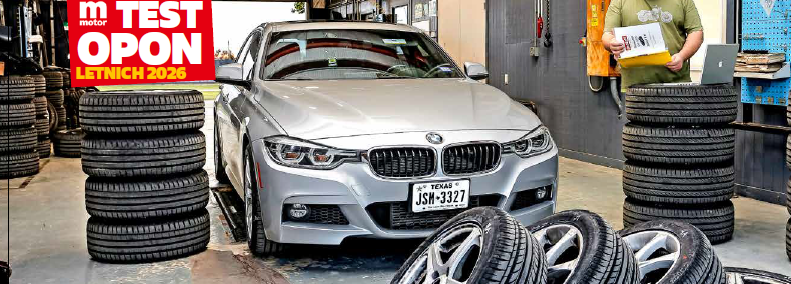
Motor magazine tested 9 summer tyres in size 225/45 R17, a fitment used on popular models such as the VW Golf, BMW 3 Series, Audi A4, and Skoda Octavia. The test covered wet braking, dry braking, longitudinal and lateral aquaplaning, wet and dry lap times, wet circle grip, handling properties, comfort, exterior noise, and rolling resistance. Testing was carried out in late autumn at a facility in Texas, USA, where conditions matched a European summer. The test track surfaces were made with European materials and hold the relevant certifications. Prices ranged from 310 to 448 PLN per tyre.
Test Publication:
Motor
225/45 R17
9 tyres
4 categories
Images courtesy of Motor
Test Publication:
Motor
Images courtesy of Motor
Test Size:
225/45 R17
Tyres Tested:
9 tyres
Continental PremiumContact 7 and Pirelli Cinturato C3 share the top spot with identical overall scores of 197.2 out of 200 points, both earning strong results across wet and dry tests. The biggest surprise is the Hankook Ventus Evo K137, a mid-segment tyre that finished third overall with 196.4 points - just 0.8 behind the winners - and actually posted the best wet score in the entire test. Fellow mid-segment product Kumho Ecsta Sport PS72 also performed well in fourth place. On the other end, premium tyres Michelin Primacy 5 and Bridgestone Turanza 6 disappointed, finishing fifth and eighth respectively, behind several cheaper mid-segment alternatives.
Dry
Pirelli stops shortest at 35.7 m, with Continental close behind at 36.0 m. The gap to last-placed Vredestein (39.3 m) is 3.6 m - a meaningful difference at 100 km/h.
- Pirelli Cinturato C3
- Continental PremiumContact 7
- Kumho Ecsta Sport PS72
- Hankook Ventus Evo
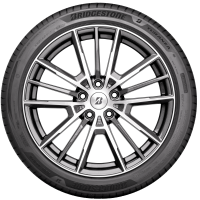
- Bridgestone Turanza 6
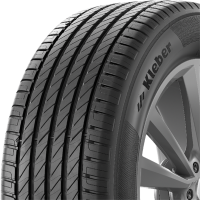
- Kleber Dynaxer HP5
- Michelin Primacy 5
- Maxxis Premitra HP6
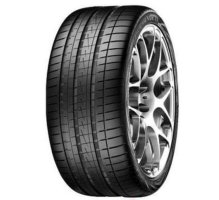
- Vredestein Ultrac plus
Continental sets the fastest dry lap at 73.4 s, with Pirelli just 0.2 s behind. Bridgestone is slowest at 76.2 s - nearly three seconds off the pace, which is a large gap on a 2450 m circuit.
- Continental PremiumContact 7
- Pirelli Cinturato C3
- Hankook Ventus Evo
- Kumho Ecsta Sport PS72
- Maxxis Premitra HP6
- Kleber Dynaxer HP5
- Michelin Primacy 5
- Vredestein Ultrac plus
- Bridgestone Turanza 6
Hankook earns the highest subjective handling score at 7.6 points, followed by Continental and Kumho on 7.4. There is a clear split between the top four and the rest - Michelin, Maxxis, Kleber, Bridgestone, and Vredestein all score below 6.6, suggesting a noticeable drop in steering precision and limit behaviour.
- Hankook Ventus Evo
- Continental PremiumContact 7
- Kumho Ecsta Sport PS72
- Pirelli Cinturato C3
- Michelin Primacy 5
- Maxxis Premitra HP6
- Bridgestone Turanza 6
- Kleber Dynaxer HP5
- Vredestein Ultrac plus
Wet
Hankook, Continental, and Pirelli are virtually tied at around 43.2-43.3 m, forming a clear lead group. The spread to last-placed Vredestein at 47.2 m is 4.0 m - a bigger gap than on dry tarmac, where differences in grip tend to be amplified by water on the surface.
- Hankook Ventus Evo
- Continental PremiumContact 7
- Pirelli Cinturato C3
- Kumho Ecsta Sport PS72
- Kleber Dynaxer HP5
- Bridgestone Turanza 6
- Maxxis Premitra HP6
- Michelin Primacy 5
- Vredestein Ultrac plus
Continental dominates the wet lap, posting 69.4 s - over a second faster than second-placed Pirelli at 70.7 s. That is a large margin on a 1535 m track. Bridgestone is last at 75.2 s, consistent with its weaker wet grip shown in braking and circle tests.
- Continental PremiumContact 7
- Pirelli Cinturato C3
- Hankook Ventus Evo
- Kumho Ecsta Sport PS72
- Maxxis Premitra HP6
- Kleber Dynaxer HP5
- Vredestein Ultrac plus
- Michelin Primacy 5
- Bridgestone Turanza 6
Continental again leads on lateral grip in the wet circle test at 0.801 g, followed by Pirelli at 0.775 g. Michelin records the lowest value at 0.692 g - a surprising result for a premium tyre and one of the main reasons it finishes fifth overall despite decent aquaplaning resistance.
- Continental PremiumContact 7
- Pirelli Cinturato C3
- Hankook Ventus Evo
- Kumho Ecsta Sport PS72
- Maxxis Premitra HP6
- Vredestein Ultrac plus
- Kleber Dynaxer HP5
- Bridgestone Turanza 6
- Michelin Primacy 5
Hankook resists straight-line aquaplaning best at 78.8 km/h, with Michelin and Pirelli close behind. Kumho is weakest at 71.4 km/h - a 7.4 km/h gap to the leader, which is significant given aquaplaning is a binary loss of control. Despite Continental's dominance elsewhere on wet surfaces, it sits mid-pack here at 74.9 km/h.
- Hankook Ventus Evo
- Michelin Primacy 5
- Pirelli Cinturato C3
- Vredestein Ultrac plus
- Continental PremiumContact 7
- Maxxis Premitra HP6
- Kleber Dynaxer HP5
- Bridgestone Turanza 6
- Kumho Ecsta Sport PS72
Continental and Hankook are almost identical at 3.85 and 3.84 m/s², leading the curved aquaplaning test. Kumho and Pirelli sit at the bottom, which is notable since Pirelli is otherwise one of the strongest wet performers - its tread pattern appears better suited to maintaining contact patch grip than clearing water on a curve.
- Continental PremiumContact 7
- Hankook Ventus Evo
- Vredestein Ultrac plus
- Michelin Primacy 5
- Maxxis Premitra HP6
- Bridgestone Turanza 6
- Kleber Dynaxer HP5
- Pirelli Cinturato C3
- Kumho Ecsta Sport PS72
Comfort
Continental, Michelin, and Kleber share the top comfort score at 6.9 points, while Kumho scores lowest at 6.1. The overall spread is narrow, suggesting no tyre in this test has a major comfort problem.
- Continental PremiumContact 7
- Michelin Primacy 5
- Kleber Dynaxer HP5
- Pirelli Cinturato C3
- Maxxis Premitra HP6
- Hankook Ventus Evo
- Vredestein Ultrac plus
- Bridgestone Turanza 6
- Kumho Ecsta Sport PS72
Michelin is the quietest at 64.6 dB, with Bridgestone and Hankook just behind. Continental is loudest at 66.1 dB - a trade-off perhaps linked to the tread compound and pattern that gives it such strong wet grip. The total spread of 1.5 dB is small in absolute terms.
- Michelin Primacy 5
- Bridgestone Turanza 6
- Hankook Ventus Evo
- Maxxis Premitra HP6
- Vredestein Ultrac plus
- Kumho Ecsta Sport PS72
- Kleber Dynaxer HP5
- Pirelli Cinturato C3
- Continental PremiumContact 7
Value
Bridgestone records the lowest rolling resistance at 0.632, well clear of the field. Michelin is second at 0.700. Hankook sits last at 0.876 - roughly 39% higher than Bridgestone, which would translate to a noticeable difference in fuel consumption over a set of tyres' lifetime. The two best performers on rolling resistance (Bridgestone and Michelin) are also among the weakest on grip, suggesting these tyres may have been optimised more for efficiency than outright traction.
Results
Continental and Pirelli share the win with 197.2 points each, both offering the strongest grip on dry and wet surfaces. Hankook is the standout value result, finishing third as a mid-segment tyre just 0.8 points behind the winners, while premium products Michelin and Bridgestone end up fifth and eighth - behind several cheaper alternatives.
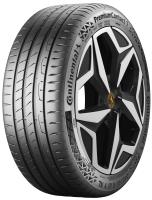
The Continental PremiumContact 7 delivers strong performance across all tests on both wet and dry surfaces. It offers stable handling and very good grip in corners, with short braking distances regardless of conditions. It also scores highest for lateral aquaplaning resistance. The main weakness is average rolling resistance, which could affect fuel consumption.
| Test |
# |
Result |
Best |
Diff |
% |
| Dry Braking |
2nd |
36 M |
35.7 M |
+0.3 M |
99.17% |
| Dry Handling |
1st |
73.4 s |
|
|
100% |
| Subj. Dry Handling |
2nd |
7.4 Points |
7.6 Points |
-0.2 Points |
97.37% |
| Test |
# |
Result |
Best |
Diff |
% |
| Wet Braking |
2nd |
43.3 M |
43.2 M |
+0.1 M |
99.77% |
| Wet Handling |
1st |
69.4 s |
|
|
100% |
| Wet Circle |
1st |
0.801 m/s |
|
|
100% |
| Straight Aqua |
5th |
74.9 Km/H |
78.8 Km/H |
-3.9 Km/H |
95.05% |
| Curved Aquaplaning |
1st |
3.85 m/sec2 |
|
|
100% |
| Test |
# |
Result |
Best |
Diff |
% |
| Subj. Comfort |
1st |
6.9 Points |
|
|
100% |
| Noise |
9th |
66.1 dB |
64.6 dB |
+1.5 dB |
97.73% |
| Test |
# |
Result |
Best |
Diff |
% |
| Rolling Resistance |
8th |
0.833 kg / t |
0.632 kg / t |
+0.2 kg / t |
75.87% |
The Pirelli Cinturato C3 matches Continental's overall score and shares the top position. It performs well on both dry and wet tarmac, providing precise steering response and short braking distances. Like the Continental, its rolling resistance is average rather than competitive.
| Test |
# |
Result |
Best |
Diff |
% |
| Dry Braking |
1st |
35.7 M |
|
|
100% |
| Dry Handling |
2nd |
73.6 s |
73.4 s |
+0.2 s |
99.73% |
| Subj. Dry Handling |
4th |
7.3 Points |
7.6 Points |
-0.3 Points |
96.05% |
| Test |
# |
Result |
Best |
Diff |
% |
| Wet Braking |
2nd |
43.3 M |
43.2 M |
+0.1 M |
99.77% |
| Wet Handling |
2nd |
70.7 s |
69.4 s |
+1.3 s |
98.16% |
| Wet Circle |
2nd |
0.775 m/s |
0.801 m/s |
-0.03 m/s |
96.75% |
| Straight Aqua |
3rd |
76.9 Km/H |
78.8 Km/H |
-1.9 Km/H |
97.59% |
| Curved Aquaplaning |
8th |
3.42 m/sec2 |
3.85 m/sec2 |
-0.43 m/sec2 |
88.83% |
| Test |
# |
Result |
Best |
Diff |
% |
| Subj. Comfort |
4th |
6.6 Points |
6.9 Points |
-0.3 Points |
95.65% |
| Noise |
8th |
65.8 dB |
64.6 dB |
+1.2 dB |
98.18% |
| Test |
# |
Result |
Best |
Diff |
% |
| Rolling Resistance |
7th |
0.818 kg / t |
0.632 kg / t |
+0.19 kg / t |
77.26% |
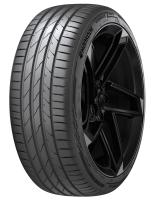
The Hankook Ventus Evo K137 finishes on the podium with the second-highest point total. It is particularly strong on wet surfaces, winning both the longitudinal aquaplaning and wet braking tests. On dry tarmac it falls only slightly behind the two winners. As a mid-segment product, it demonstrates that cheaper tyres can compete directly with premium offerings. Rolling resistance is the highest in the test.
| Test |
# |
Result |
Best |
Diff |
% |
| Dry Braking |
4th |
37.3 M |
35.7 M |
+1.6 M |
95.71% |
| Dry Handling |
3rd |
74.2 s |
73.4 s |
+0.8 s |
98.92% |
| Subj. Dry Handling |
1st |
7.6 Points |
|
|
100% |
| Test |
# |
Result |
Best |
Diff |
% |
| Wet Braking |
1st |
43.2 M |
|
|
100% |
| Wet Handling |
3rd |
70.9 s |
69.4 s |
+1.5 s |
97.88% |
| Wet Circle |
3rd |
0.765 m/s |
0.801 m/s |
-0.04 m/s |
95.51% |
| Straight Aqua |
1st |
78.8 Km/H |
|
|
100% |
| Curved Aquaplaning |
2nd |
3.84 m/sec2 |
3.85 m/sec2 |
-0.01 m/sec2 |
99.74% |
| Test |
# |
Result |
Best |
Diff |
% |
| Subj. Comfort |
6th |
6.5 Points |
6.9 Points |
-0.4 Points |
94.2% |
| Noise |
3rd |
64.8 dB |
64.6 dB |
+0.2 dB |
99.69% |
| Test |
# |
Result |
Best |
Diff |
% |
| Rolling Resistance |
9th |
0.876 kg / t |
0.632 kg / t |
+0.24 kg / t |
72.15% |
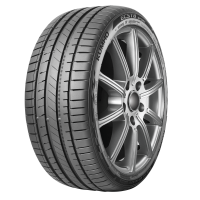
The Kumho Ecsta Sport PS72 takes fourth place with a strong overall result. It loses ground to higher-ranked rivals on wet surfaces mainly due to below-average aquaplaning resistance. Otherwise, its performance across tests is consistently good. Rolling resistance is on the poor side.
| Test |
# |
Result |
Best |
Diff |
% |
| Dry Braking |
3rd |
37.1 M |
35.7 M |
+1.4 M |
96.23% |
| Dry Handling |
3rd |
74.2 s |
73.4 s |
+0.8 s |
98.92% |
| Subj. Dry Handling |
2nd |
7.4 Points |
7.6 Points |
-0.2 Points |
97.37% |
| Test |
# |
Result |
Best |
Diff |
% |
| Wet Braking |
4th |
44.3 M |
43.2 M |
+1.1 M |
97.52% |
| Wet Handling |
4th |
71 s |
69.4 s |
+1.6 s |
97.75% |
| Wet Circle |
4th |
0.761 m/s |
0.801 m/s |
-0.04 m/s |
95.01% |
| Straight Aqua |
9th |
71.4 Km/H |
78.8 Km/H |
-7.4 Km/H |
90.61% |
| Curved Aquaplaning |
9th |
3.32 m/sec2 |
3.85 m/sec2 |
-0.53 m/sec2 |
86.23% |
| Test |
# |
Result |
Best |
Diff |
% |
| Subj. Comfort |
9th |
6.1 Points |
6.9 Points |
-0.8 Points |
88.41% |
| Noise |
5th |
65.2 dB |
64.6 dB |
+0.6 dB |
99.08% |
| Test |
# |
Result |
Best |
Diff |
% |
| Rolling Resistance |
6th |
0.804 kg / t |
0.632 kg / t |
+0.17 kg / t |
78.61% |
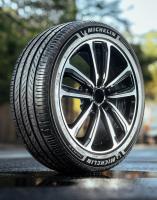
The Michelin Primacy 5 finishes fifth, behind two mid-segment tyres, which is disappointing for a premium product. Its wet performance is uneven - aquaplaning resistance is good, but lateral grip on wet surfaces is the lowest in the test. Dry performance is average. On the positive side, it has low rolling resistance, produces the least noise at city speeds, and rides comfortably.
| Test |
# |
Result |
Best |
Diff |
% |
| Dry Braking |
7th |
38.4 M |
35.7 M |
+2.7 M |
92.97% |
| Dry Handling |
7th |
75.2 s |
73.4 s |
+1.8 s |
97.61% |
| Subj. Dry Handling |
5th |
6.6 Points |
7.6 Points |
-1 Points |
86.84% |
| Test |
# |
Result |
Best |
Diff |
% |
| Wet Braking |
8th |
46.5 M |
43.2 M |
+3.3 M |
92.9% |
| Wet Handling |
8th |
74 s |
69.4 s |
+4.6 s |
93.78% |
| Wet Circle |
9th |
0.692 m/s |
0.801 m/s |
-0.11 m/s |
86.39% |
| Straight Aqua |
2nd |
77 Km/H |
78.8 Km/H |
-1.8 Km/H |
97.72% |
| Curved Aquaplaning |
4th |
3.72 m/sec2 |
3.85 m/sec2 |
-0.13 m/sec2 |
96.62% |
| Test |
# |
Result |
Best |
Diff |
% |
| Subj. Comfort |
1st |
6.9 Points |
|
|
100% |
| Noise |
1st |
64.6 dB |
|
|
100% |
| Test |
# |
Result |
Best |
Diff |
% |
| Rolling Resistance |
2nd |
0.7 kg / t |
0.632 kg / t |
+0.07 kg / t |
90.29% |
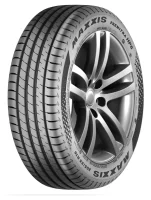
The Maxxis Premitra 6 loses just 0.4 points to the Michelin, which is a notable result for the cheapest tyre in the test. Its main strength is consistency - it finishes mid-pack in nearly every test without any weak spots. This means it is unlikely to surprise the driver in any conditions. Rolling resistance is at a good level.
| Test |
# |
Result |
Best |
Diff |
% |
| Dry Braking |
8th |
38.7 M |
35.7 M |
+3 M |
92.25% |
| Dry Handling |
5th |
74.7 s |
73.4 s |
+1.3 s |
98.26% |
| Subj. Dry Handling |
6th |
6.4 Points |
7.6 Points |
-1.2 Points |
84.21% |
| Test |
# |
Result |
Best |
Diff |
% |
| Wet Braking |
6th |
46.1 M |
43.2 M |
+2.9 M |
93.71% |
| Wet Handling |
5th |
73.1 s |
69.4 s |
+3.7 s |
94.94% |
| Wet Circle |
5th |
0.733 m/s |
0.801 m/s |
-0.07 m/s |
91.51% |
| Straight Aqua |
6th |
74.6 Km/H |
78.8 Km/H |
-4.2 Km/H |
94.67% |
| Curved Aquaplaning |
5th |
3.68 m/sec2 |
3.85 m/sec2 |
-0.17 m/sec2 |
95.58% |
| Test |
# |
Result |
Best |
Diff |
% |
| Subj. Comfort |
4th |
6.6 Points |
6.9 Points |
-0.3 Points |
95.65% |
| Noise |
4th |
65 dB |
64.6 dB |
+0.4 dB |
99.38% |
| Test |
# |
Result |
Best |
Diff |
% |
| Rolling Resistance |
3rd |
0.758 kg / t |
0.632 kg / t |
+0.13 kg / t |
83.38% |
The Kleber Dynaxer HP5 finishes just 0.2 points behind Maxxis with a similarly balanced profile. It scores at a steady level across all tests without any standout weakness, which gives a safe and predictable feel behind the wheel. Rolling resistance is decent and the price is competitive.
| Test |
# |
Result |
Best |
Diff |
% |
| Dry Braking |
6th |
38 M |
35.7 M |
+2.3 M |
93.95% |
| Dry Handling |
6th |
75.1 s |
73.4 s |
+1.7 s |
97.74% |
| Subj. Dry Handling |
7th |
6.3 Points |
7.6 Points |
-1.3 Points |
82.89% |
| Test |
# |
Result |
Best |
Diff |
% |
| Wet Braking |
5th |
45.5 M |
43.2 M |
+2.3 M |
94.95% |
| Wet Handling |
6th |
73.7 s |
69.4 s |
+4.3 s |
94.17% |
| Wet Circle |
6th |
0.711 m/s |
0.801 m/s |
-0.09 m/s |
88.76% |
| Straight Aqua |
7th |
73.4 Km/H |
78.8 Km/H |
-5.4 Km/H |
93.15% |
| Curved Aquaplaning |
6th |
3.59 m/sec2 |
3.85 m/sec2 |
-0.26 m/sec2 |
93.25% |
| Test |
# |
Result |
Best |
Diff |
% |
| Subj. Comfort |
1st |
6.9 Points |
|
|
100% |
| Noise |
7th |
65.6 dB |
64.6 dB |
+1 dB |
98.48% |
| Test |
# |
Result |
Best |
Diff |
% |
| Rolling Resistance |
5th |
0.77 kg / t |
0.632 kg / t |
+0.14 kg / t |
82.08% |
The Bridgestone Turanza 6 ends up in eighth place, which is a poor result for a premium tyre - its performance sits at the level of mid-segment products. It does not fail in any single test, maintaining adequate safety throughout, but it never leads either. Its standout feature is the best rolling resistance in the entire test, which may partly explain the lower grip levels.
| Test |
# |
Result |
Best |
Diff |
% |
| Dry Braking |
5th |
37.4 M |
35.7 M |
+1.7 M |
95.45% |
| Dry Handling |
9th |
76.2 s |
73.4 s |
+2.8 s |
96.33% |
| Subj. Dry Handling |
7th |
6.3 Points |
7.6 Points |
-1.3 Points |
82.89% |
| Test |
# |
Result |
Best |
Diff |
% |
| Wet Braking |
6th |
46.1 M |
43.2 M |
+2.9 M |
93.71% |
| Wet Handling |
9th |
75.2 s |
69.4 s |
+5.8 s |
92.29% |
| Wet Circle |
8th |
0.709 m/s |
0.801 m/s |
-0.09 m/s |
88.51% |
| Straight Aqua |
8th |
72.2 Km/H |
78.8 Km/H |
-6.6 Km/H |
91.62% |
| Curved Aquaplaning |
6th |
3.59 m/sec2 |
3.85 m/sec2 |
-0.26 m/sec2 |
93.25% |
| Test |
# |
Result |
Best |
Diff |
% |
| Subj. Comfort |
8th |
6.2 Points |
6.9 Points |
-0.7 Points |
89.86% |
| Noise |
2nd |
64.7 dB |
64.6 dB |
+0.1 dB |
99.85% |
| Test |
# |
Result |
Best |
Diff |
% |
| Rolling Resistance |
1st |
0.632 kg / t |
|
|
100% |
The Vredestein Ultrac+ finishes last but still provides acceptable safety. Its wet performance is inconsistent - aquaplaning resistance is respectable, but lateral grip and wet braking distance are the weakest in the group. Dry performance is also below the rest of the field. Rolling resistance is at a reasonable level.
| Test |
# |
Result |
Best |
Diff |
% |
| Dry Braking |
9th |
39.3 M |
35.7 M |
+3.6 M |
90.84% |
| Dry Handling |
8th |
75.4 s |
73.4 s |
+2 s |
97.35% |
| Subj. Dry Handling |
9th |
6.1 Points |
7.6 Points |
-1.5 Points |
80.26% |
| Test |
# |
Result |
Best |
Diff |
% |
| Wet Braking |
9th |
47.2 M |
43.2 M |
+4 M |
91.53% |
| Wet Handling |
7th |
73.8 s |
69.4 s |
+4.4 s |
94.04% |
| Wet Circle |
6th |
0.711 m/s |
0.801 m/s |
-0.09 m/s |
88.76% |
| Straight Aqua |
4th |
75.4 Km/H |
78.8 Km/H |
-3.4 Km/H |
95.69% |
| Curved Aquaplaning |
3rd |
3.76 m/sec2 |
3.85 m/sec2 |
-0.09 m/sec2 |
97.66% |
| Test |
# |
Result |
Best |
Diff |
% |
| Subj. Comfort |
7th |
6.4 Points |
6.9 Points |
-0.5 Points |
92.75% |
| Noise |
5th |
65.2 dB |
64.6 dB |
+0.6 dB |
99.08% |
| Test |
# |
Result |
Best |
Diff |
% |
| Rolling Resistance |
4th |
0.762 kg / t |
0.632 kg / t |
+0.13 kg / t |
82.94% |
It’s not particularly a surprise that the Hankook is third in this test, given that the podium is the same than the previous test from Jon himself in the same size.
It’s curious however that the Hankook as a max performance tyre is again mixed with touring tyres.
Everyone keeps criticizing Kumho for its resistance to aquaplaning.
In this test, there is minimal difference between Kumho and Bridgestone in Straight aquaplaning and Kumho and Pirelli in Curved aquaplaning.
It has been a long time since BMW 3 Series or Audi A4 used this tyre size. Octavia doesn't use it any more, either.