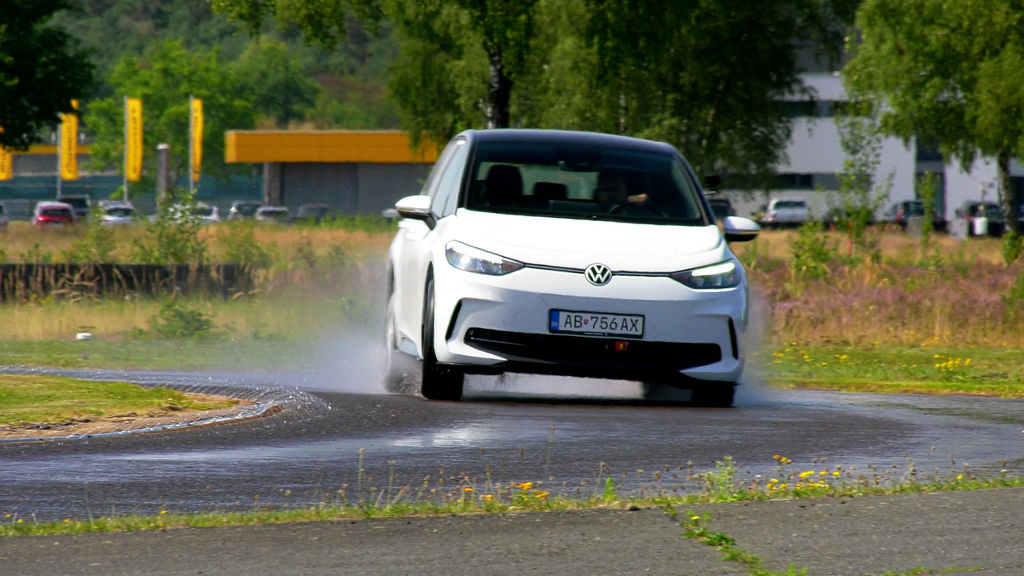
Auto Žurnál tested 10 summer tyres in size 215/55 R18 99V on a Volkswagen ID.3. The test covered wet performance (braking, handling, aquaplaning, circle tracking), dry performance (braking, handling), and economy and comfort (rolling resistance, energy consumption, noise, subjective comfort).
Test Publication:
Autozurnal
215/55 R18
10 tyres
4 categories
Images courtesy of Autozurnal
Test Publication:
Autozurnal
Images courtesy of Autozurnal
Test Size:
215/55 R18
Tyres Tested:
10 tyres
The Hankook iON evo took the top spot with strong results across wet and dry disciplines, including the shortest dry braking distance (34.8 m) and the fastest wet handling lap. Continental's UltraContact NXT followed in second, posting the best wet braking distance (47.2 m) and leading on efficiency. At the other end, the Tomket SUV finished last with a wet braking distance of 62.3 m - over 15 metres longer than the Continental - and the slowest times in both handling tests. The Imperial EcoSport SUV also received a failing grade. Among the budget options, the Barum Bravuris 6 stood out with rolling resistance and energy consumption figures that matched the premium tyres.
```html
Dry
The Hankook stopped in just 34.8 m, over 7 metres shorter than the last-placed Tomket at 42.0 m. That gap is significant - at the point where the Hankook has come to a complete stop, the Tomket is still travelling at 41.3 km/h.
- Hankook iON Evo
- Continental UltraContact NXT
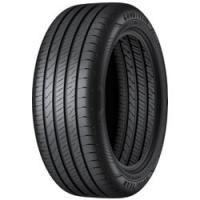
- Goodyear EfficientGrip Performance
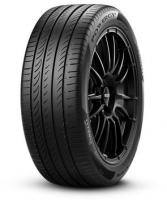
- Pirelli Powergy
- Sava Intensa SUV 2
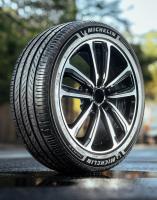
- Michelin Primacy 5
- Kormoran Ultra High Performance
- Barum Bravuris 6
- Imperial EcoSport SUV
- Tomket Tomket Suv
Subjective dry handling scores followed a similar order, with the Hankook again on top (7.75) and the Tomket at the bottom (5.44). The Goodyear placed second here, ahead of the Pirelli and Sava, both of which outperformed the Continental in this discipline.
- Hankook iON Evo
- Goodyear EfficientGrip Performance
- Pirelli Powergy
- Sava Intensa SUV 2
- Continental UltraContact NXT
- Michelin Primacy 5
- Barum Bravuris 6
- Imperial EcoSport SUV
- Kormoran Ultra High Performance
- Tomket Tomket Suv
Wet
The Continental posted the shortest wet braking distance at 47.2 m, closely followed by the Michelin at 47.8 m. The Tomket needed 62.3 m to stop - over 15 metres more - meaning it would still be doing 49.3 km/h at the point where the Continental had already come to rest.
- Continental UltraContact NXT
- Michelin Primacy 5
- Hankook iON Evo
- Goodyear EfficientGrip Performance
- Pirelli Powergy
- Barum Bravuris 6
- Sava Intensa SUV 2
- Kormoran Ultra High Performance
- Imperial EcoSport SUV
- Tomket Tomket Suv
The Hankook was the fastest around the wet handling circuit at 83.6 s, with the Pirelli and Goodyear close behind. The Tomket was again last at 95.4 s, nearly 12 seconds off the pace - a large margin on an 1823 m track.
- Hankook iON Evo
- Pirelli Powergy
- Goodyear EfficientGrip Performance
- Continental UltraContact NXT
- Sava Intensa SUV 2
- Michelin Primacy 5
- Barum Bravuris 6
- Imperial EcoSport SUV
- Kormoran Ultra High Performance
- Tomket Tomket Suv
Wet circle tracking times were tightly grouped at the top, with the Hankook (11.49 s), Goodyear (11.59 s), and Pirelli (11.70 s) separated by just two tenths. The Kormoran was slowest at 12.55 s.
- Hankook iON Evo
- Goodyear EfficientGrip Performance
- Pirelli Powergy
- Continental UltraContact NXT
- Sava Intensa SUV 2
- Michelin Primacy 5
- Barum Bravuris 6
- Imperial EcoSport SUV
- Tomket Tomket Suv
- Kormoran Ultra High Performance
The Hankook held on to grip longest in straight-line aquaplaning, reaching 81.5 km/h before losing traction - well clear of the Tomket at 71.1 km/h. The Goodyear, despite its strong showing in other wet tests, dropped to eighth here at 72.9 m.
- Hankook iON Evo
- Sava Intensa SUV 2
- Michelin Primacy 5
- Pirelli Powergy
- Continental UltraContact NXT
- Imperial EcoSport SUV
- Goodyear EfficientGrip Performance
- Barum Bravuris 6
- Kormoran Ultra High Performance
- Tomket Tomket Suv
Curved aquaplaning reshuffled the order: the Sava took first place at 3.45 m/s, ahead of the Hankook. The Goodyear finished last at 2.77 m/s, suggesting its tread pattern prioritises other wet disciplines over lateral water evacuation.
- Sava Intensa SUV 2
- Hankook iON Evo
- Michelin Primacy 5
- Imperial EcoSport SUV
- Kormoran Ultra High Performance
- Continental UltraContact NXT
- Barum Bravuris 6
- Pirelli Powergy
- Goodyear EfficientGrip Performance
- Tomket Tomket Suv
Comfort
The Hankook scored highest for subjective comfort at 7.0 points, likely helped by its built-in sound absorber foam layer. Five tyres - Pirelli, Barum, Continental, Goodyear, and Michelin - all tied at 6.5, while the Kormoran came last at 5.5.
- Hankook iON Evo
- Goodyear EfficientGrip Performance
- Pirelli Powergy
- Continental UltraContact NXT
- Michelin Primacy 5
- Barum Bravuris 6
- Imperial EcoSport SUV
- Sava Intensa SUV 2
- Tomket Tomket Suv
- Kormoran Ultra High Performance
Exterior noise levels were closely bunched. The Pirelli was the quietest at both 50 km/h (65.4 dB) and 80 km/h (71.4 dB), while the Tomket was the loudest at 66.5 and 72.9 dB respectively - a small but measurable difference.
- Pirelli Powergy
- Hankook iON Evo
- Goodyear EfficientGrip Performance
- Kormoran Ultra High Performance
- Continental UltraContact NXT
- Sava Intensa SUV 2
- Imperial EcoSport SUV
- Michelin Primacy 5
- Barum Bravuris 6
- Tomket Tomket Suv
Value
The Goodyear had the lowest rolling resistance coefficient at 0.536, followed by the Continental at 0.587 and Barum at 0.600. The Imperial was the least efficient at 0.841 - roughly 57% higher than the Goodyear.
Real-world energy consumption on the ID.3 at a constant 80 km/h mirrored the lab results closely, with the Goodyear leading at 12.86 kWh/100 km and the Imperial last at 14.40 kWh/100 km. The Barum matched the Continental almost exactly (12.96 vs 12.95), confirming its strong efficiency showing despite being a budget tyre.
Results
The Hankook iON evo topped the overall standings with strong results across almost every discipline, followed by the Continental UltraContact NXT and Goodyear EfficientGrip Performance 2. The Tomket SUV and Imperial EcoSport SUV finished at the bottom with significant safety deficits, particularly in braking.
Hankook iON evo was crowned the winner of the test, standing out for its specialized "sound absorber" layer that completely eliminated hollow tyre echoes and significantly reduced interior cabin noise. It heavily dominated both wet and dry handling and braking disciplines and took first place in longitudinal aquaplaning. While it is one of the heavier tyres (10.96 kg) due to its foam insert, it still secured a solid fourth place in economy and comfort.
| Test |
# |
Result |
Best |
Diff |
% |
| Dry Braking |
1st |
34.8 M |
|
|
100% |
| Subj. Dry Handling |
1st |
7.75 Points |
|
|
100% |
| Test |
# |
Result |
Best |
Diff |
% |
| Wet Braking |
3rd |
48.6 M |
47.2 M |
+1.4 M |
97.12% |
| Wet Handling |
1st |
83.6 s |
|
|
100% |
| Wet Circle |
1st |
11.49 s |
|
|
100% |
| Straight Aqua |
1st |
81.5 Km/H |
|
|
100% |
| Curved Aquaplaning |
2nd |
3.26 m/sec2 |
3.45 m/sec2 |
-0.19 m/sec2 |
94.49% |
| Test |
# |
Result |
Best |
Diff |
% |
| Subj. Comfort |
1st |
7 Points |
|
|
100% |
| Noise |
2nd |
71.9 dB |
71.4 dB |
+0.5 dB |
99.3% |
| Test |
# |
Result |
Best |
Diff |
% |
| Rolling Resistance |
7th |
0.7 kg / t |
0.536 kg / t |
+0.16 kg / t |
76.57% |
| Energy Consumption |
8th |
14.12 kWh/100km |
12.86 kWh/100km |
+1.26 kWh/100km |
91.08% |
Continental UltraContact NXT finished second overall as the lightest tyre tested (9.47 kg) and was highlighted as an ecologically focused "ultra-marathoner" designed to endure high mileage despite a slightly shallower 7 mm tread. It excelled in the efficiency and comfort categories and actually led the entire pack in wet braking performance. Overall, it ranked fourth on wet surfaces and third on dry surfaces, while dominating in economy.
| Test |
# |
Result |
Best |
Diff |
% |
| Dry Braking |
2nd |
37 M |
34.8 M |
+2.2 M |
94.05% |
| Subj. Dry Handling |
5th |
7 Points |
7.75 Points |
-0.75 Points |
90.32% |
| Test |
# |
Result |
Best |
Diff |
% |
| Wet Braking |
1st |
47.2 M |
|
|
100% |
| Wet Handling |
4th |
87 s |
83.6 s |
+3.4 s |
96.09% |
| Wet Circle |
4th |
11.71 s |
11.49 s |
+0.22 s |
98.12% |
| Straight Aqua |
5th |
74.5 Km/H |
81.5 Km/H |
-7 Km/H |
91.41% |
| Curved Aquaplaning |
6th |
2.9 m/sec2 |
3.45 m/sec2 |
-0.55 m/sec2 |
84.06% |
| Test |
# |
Result |
Best |
Diff |
% |
| Subj. Comfort |
2nd |
6.5 Points |
7 Points |
-0.5 Points |
92.86% |
| Noise |
5th |
72.4 dB |
71.4 dB |
+1 dB |
98.62% |
| Test |
# |
Result |
Best |
Diff |
% |
| Rolling Resistance |
2nd |
0.587 kg / t |
0.536 kg / t |
+0.05 kg / t |
91.31% |
| Energy Consumption |
2nd |
12.95 kWh/100km |
12.86 kWh/100km |
+0.09 kWh/100km |
99.31% |
Goodyear EfficientGrip Performance 2 took the third spot on the podium as an excellent, well-rounded performer. It demonstrated top-tier efficiency by taking first place in both laboratory rolling resistance and real-world energy consumption tests. Weighing in on the lighter side (9.71 kg), it delivered great safety metrics by finishing third in wet handling disciplines and second in dry disciplines.
| Test |
# |
Result |
Best |
Diff |
% |
| Dry Braking |
3rd |
37.1 M |
34.8 M |
+2.3 M |
93.8% |
| Subj. Dry Handling |
2nd |
7.438 Points |
7.75 Points |
-0.31 Points |
95.97% |
| Test |
# |
Result |
Best |
Diff |
% |
| Wet Braking |
4th |
48.7 M |
47.2 M |
+1.5 M |
96.92% |
| Wet Handling |
3rd |
86.4 s |
83.6 s |
+2.8 s |
96.76% |
| Wet Circle |
2nd |
11.59 s |
11.49 s |
+0.1 s |
99.14% |
| Straight Aqua |
7th |
72.9 Km/H |
81.5 Km/H |
-8.6 Km/H |
89.45% |
| Curved Aquaplaning |
9th |
2.77 m/sec2 |
3.45 m/sec2 |
-0.68 m/sec2 |
80.29% |
| Test |
# |
Result |
Best |
Diff |
% |
| Subj. Comfort |
2nd |
6.5 Points |
7 Points |
-0.5 Points |
92.86% |
| Noise |
3rd |
72.2 dB |
71.4 dB |
+0.8 dB |
98.89% |
| Test |
# |
Result |
Best |
Diff |
% |
| Rolling Resistance |
1st |
0.536 kg / t |
|
|
100% |
| Energy Consumption |
1st |
12.86 kWh/100km |
|
|
100% |
Michelin Primacy 5 secured fourth place overall. The tester noted that this specific set was surprisingly manufactured in China, which might have contributed to it being one of the heavier premium tyres at 10.81 kg. Despite the weight, it performed admirably in safety tests, taking third place in both longitudinal and transverse aquaplaning.
| Test |
# |
Result |
Best |
Diff |
% |
| Dry Braking |
6th |
38.3 M |
34.8 M |
+3.5 M |
90.86% |
| Subj. Dry Handling |
6th |
6.688 Points |
7.75 Points |
-1.06 Points |
86.3% |
| Test |
# |
Result |
Best |
Diff |
% |
| Wet Braking |
2nd |
47.8 M |
47.2 M |
+0.6 M |
98.74% |
| Wet Handling |
6th |
87.3 s |
83.6 s |
+3.7 s |
95.76% |
| Wet Circle |
6th |
12.1 s |
11.49 s |
+0.61 s |
94.96% |
| Straight Aqua |
3rd |
77.8 Km/H |
81.5 Km/H |
-3.7 Km/H |
95.46% |
| Curved Aquaplaning |
3rd |
3.21 m/sec2 |
3.45 m/sec2 |
-0.24 m/sec2 |
93.04% |
| Test |
# |
Result |
Best |
Diff |
% |
| Subj. Comfort |
2nd |
6.5 Points |
7 Points |
-0.5 Points |
92.86% |
| Noise |
7th |
72.7 dB |
71.4 dB |
+1.3 dB |
98.21% |
| Test |
# |
Result |
Best |
Diff |
% |
| Rolling Resistance |
6th |
0.677 kg / t |
0.536 kg / t |
+0.14 kg / t |
79.17% |
| Energy Consumption |
7th |
13.78 kWh/100km |
12.86 kWh/100km |
+0.92 kWh/100km |
93.32% |
Pirelli Powergy was used as the baseline reference tyre for the test (scored at 100%) and finished fifth overall. It particularly excelled in exterior acoustic comfort, scoring the absolute best in exterior noise measurements at 50 and 80 km/h. It also delivered strong and reliable grip, placing second in wet handling and third in dry handling on the test track.
| Test |
# |
Result |
Best |
Diff |
% |
| Dry Braking |
4th |
37.2 M |
34.8 M |
+2.4 M |
93.55% |
| Subj. Dry Handling |
3rd |
7.188 Points |
7.75 Points |
-0.56 Points |
92.75% |
| Test |
# |
Result |
Best |
Diff |
% |
| Wet Braking |
5th |
49.4 M |
47.2 M |
+2.2 M |
95.55% |
| Wet Handling |
2nd |
86.3 s |
83.6 s |
+2.7 s |
96.87% |
| Wet Circle |
3rd |
11.7 s |
11.49 s |
+0.21 s |
98.21% |
| Straight Aqua |
4th |
74.8 Km/H |
81.5 Km/H |
-6.7 Km/H |
91.78% |
| Curved Aquaplaning |
8th |
2.79 m/sec2 |
3.45 m/sec2 |
-0.66 m/sec2 |
80.87% |
| Test |
# |
Result |
Best |
Diff |
% |
| Subj. Comfort |
2nd |
6.5 Points |
7 Points |
-0.5 Points |
92.86% |
| Noise |
1st |
71.4 dB |
|
|
100% |
| Test |
# |
Result |
Best |
Diff |
% |
| Rolling Resistance |
5th |
0.667 kg / t |
0.536 kg / t |
+0.13 kg / t |
80.36% |
| Energy Consumption |
5th |
13.34 kWh/100km |
12.86 kWh/100km |
+0.48 kWh/100km |
96.4% |
Barum Bravuris 6 emerged as the best budget tyre in the test with a sixth-place overall finish. This Czech-origin brand is the second lightest tyre (9.52 kg) and features a deep 7.4 mm tread. While its wet and dry safety ratings placed it lower in the pack (seventh place in both), it truly shined in economy and comfort, tying with premium tyres for the top ranks in rolling resistance and real-world EV efficiency.
| Test |
# |
Result |
Best |
Diff |
% |
| Dry Braking |
8th |
39.3 M |
34.8 M |
+4.5 M |
88.55% |
| Subj. Dry Handling |
7th |
6.125 Points |
7.75 Points |
-1.63 Points |
79.03% |
| Test |
# |
Result |
Best |
Diff |
% |
| Wet Braking |
6th |
52.6 M |
47.2 M |
+5.4 M |
89.73% |
| Wet Handling |
7th |
89.7 s |
83.6 s |
+6.1 s |
93.2% |
| Wet Circle |
6th |
12.1 s |
11.49 s |
+0.61 s |
94.96% |
| Straight Aqua |
7th |
72.9 Km/H |
81.5 Km/H |
-8.6 Km/H |
89.45% |
| Curved Aquaplaning |
7th |
2.82 m/sec2 |
3.45 m/sec2 |
-0.63 m/sec2 |
81.74% |
| Test |
# |
Result |
Best |
Diff |
% |
| Subj. Comfort |
2nd |
6.5 Points |
7 Points |
-0.5 Points |
92.86% |
| Noise |
7th |
72.7 dB |
71.4 dB |
+1.3 dB |
98.21% |
| Test |
# |
Result |
Best |
Diff |
% |
| Rolling Resistance |
3rd |
0.6 kg / t |
0.536 kg / t |
+0.06 kg / t |
89.33% |
| Energy Consumption |
3rd |
12.96 kWh/100km |
12.86 kWh/100km |
+0.1 kWh/100km |
99.23% |
Sava Intensa SUV 2 finished seventh overall and surprised the tester by outperforming many premium options in transverse aquaplaning, where it took first place. It held its own dynamically with a sixth-place finish in both wet and dry disciplines. However, its overall score was heavily dragged down by a last-place (tenth) finish in the economy and comfort categories.
| Test |
# |
Result |
Best |
Diff |
% |
| Dry Braking |
5th |
38.2 M |
34.8 M |
+3.4 M |
91.1% |
| Subj. Dry Handling |
4th |
7.063 Points |
7.75 Points |
-0.69 Points |
91.14% |
| Test |
# |
Result |
Best |
Diff |
% |
| Wet Braking |
7th |
52.7 M |
47.2 M |
+5.5 M |
89.56% |
| Wet Handling |
5th |
87.1 s |
83.6 s |
+3.5 s |
95.98% |
| Wet Circle |
5th |
11.77 s |
11.49 s |
+0.28 s |
97.62% |
| Straight Aqua |
2nd |
79 Km/H |
81.5 Km/H |
-2.5 Km/H |
96.93% |
| Curved Aquaplaning |
1st |
3.45 m/sec2 |
|
|
100% |
| Test |
# |
Result |
Best |
Diff |
% |
| Subj. Comfort |
7th |
6 Points |
7 Points |
-1 Points |
85.71% |
| Noise |
6th |
72.6 dB |
71.4 dB |
+1.2 dB |
98.35% |
| Test |
# |
Result |
Best |
Diff |
% |
| Rolling Resistance |
8th |
0.784 kg / t |
0.536 kg / t |
+0.25 kg / t |
68.37% |
| Energy Consumption |
9th |
14.21 kWh/100km |
12.86 kWh/100km |
+1.35 kWh/100km |
90.5% |
Kormoran Ultra High Performance landed in eighth place overall. It struggled somewhat in handling and braking, finishing ninth in both wet and dry surface disciplines. However, it partially redeemed itself for daily driving by placing a respectable sixth in the economy and comfort tests.
| Test |
# |
Result |
Best |
Diff |
% |
| Dry Braking |
7th |
38.7 M |
34.8 M |
+3.9 M |
89.92% |
| Subj. Dry Handling |
9th |
5.688 Points |
7.75 Points |
-2.06 Points |
73.39% |
| Test |
# |
Result |
Best |
Diff |
% |
| Wet Braking |
8th |
57.4 M |
47.2 M |
+10.2 M |
82.23% |
| Wet Handling |
9th |
93.2 s |
83.6 s |
+9.6 s |
89.7% |
| Wet Circle |
10th |
12.55 s |
11.49 s |
+1.06 s |
91.55% |
| Straight Aqua |
9th |
72.2 Km/H |
81.5 Km/H |
-9.3 Km/H |
88.59% |
| Curved Aquaplaning |
5th |
3.03 m/sec2 |
3.45 m/sec2 |
-0.42 m/sec2 |
87.83% |
| Test |
# |
Result |
Best |
Diff |
% |
| Subj. Comfort |
10th |
5.5 Points |
7 Points |
-1.5 Points |
78.57% |
| Noise |
4th |
72.3 dB |
71.4 dB |
+0.9 dB |
98.76% |
| Test |
# |
Result |
Best |
Diff |
% |
| Rolling Resistance |
4th |
0.664 kg / t |
0.536 kg / t |
+0.13 kg / t |
80.72% |
| Energy Consumption |
4th |
13.27 kWh/100km |
12.86 kWh/100km |
+0.41 kWh/100km |
96.91% |
Imperial EcoSport SUV was the heaviest tyre in the entire test, weighing 11.21 kg, though it shared the deepest tread depth (7.4 mm). While it generally placed in the lower half of the pack across most metrics, it managed a surprising fourth-place finish in the transverse aquaplaning discipline.
| Test |
# |
Result |
Best |
Diff |
% |
| Dry Braking |
9th |
40.7 M |
34.8 M |
+5.9 M |
85.5% |
| Subj. Dry Handling |
8th |
5.813 Points |
7.75 Points |
-1.94 Points |
75.01% |
| Test |
# |
Result |
Best |
Diff |
% |
| Wet Braking |
9th |
58.1 M |
47.2 M |
+10.9 M |
81.24% |
| Wet Handling |
8th |
91.9 s |
83.6 s |
+8.3 s |
90.97% |
| Wet Circle |
8th |
12.19 s |
11.49 s |
+0.7 s |
94.26% |
| Straight Aqua |
6th |
73.5 Km/H |
81.5 Km/H |
-8 Km/H |
90.18% |
| Curved Aquaplaning |
4th |
3.08 m/sec2 |
3.45 m/sec2 |
-0.37 m/sec2 |
89.28% |
| Test |
# |
Result |
Best |
Diff |
% |
| Subj. Comfort |
7th |
6 Points |
7 Points |
-1 Points |
85.71% |
| Noise |
7th |
72.7 dB |
71.4 dB |
+1.3 dB |
98.21% |
| Test |
# |
Result |
Best |
Diff |
% |
| Rolling Resistance |
10th |
0.841 kg / t |
0.536 kg / t |
+0.31 kg / t |
63.73% |
| Energy Consumption |
10th |
14.4 kWh/100km |
12.86 kWh/100km |
+1.54 kWh/100km |
89.31% |
Tomket SUV finished dead last and was strongly criticized for its severe lack of safety and grip. The most alarming data point was its wet braking performance: stopping from 100 km/h took 62.3 meters-a massive 15 meters longer than the best tyre. The tester noted that if a car on Hankooks had completely stopped, a car on Tomkets would still be traveling at a dangerous 41.3 km/h.
| Test |
# |
Result |
Best |
Diff |
% |
| Dry Braking |
10th |
42 M |
34.8 M |
+7.2 M |
82.86% |
| Subj. Dry Handling |
10th |
5.438 Points |
7.75 Points |
-2.31 Points |
70.17% |
| Test |
# |
Result |
Best |
Diff |
% |
| Wet Braking |
10th |
62.3 M |
47.2 M |
+15.1 M |
75.76% |
| Wet Handling |
10th |
95.4 s |
83.6 s |
+11.8 s |
87.63% |
| Wet Circle |
9th |
12.44 s |
11.49 s |
+0.95 s |
92.36% |
| Straight Aqua |
10th |
71.1 Km/H |
81.5 Km/H |
-10.4 Km/H |
87.24% |
| Curved Aquaplaning |
10th |
2.62 m/sec2 |
3.45 m/sec2 |
-0.83 m/sec2 |
75.94% |
| Test |
# |
Result |
Best |
Diff |
% |
| Subj. Comfort |
7th |
6 Points |
7 Points |
-1 Points |
85.71% |
| Noise |
10th |
72.9 dB |
71.4 dB |
+1.5 dB |
97.94% |
| Test |
# |
Result |
Best |
Diff |
% |
| Rolling Resistance |
9th |
0.786 kg / t |
0.536 kg / t |
+0.25 kg / t |
68.19% |
| Energy Consumption |
6th |
13.76 kWh/100km |
12.86 kWh/100km |
+0.9 kWh/100km |
93.46% |
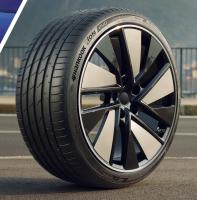
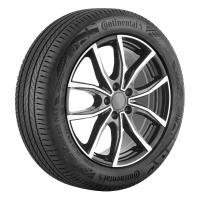

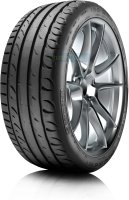
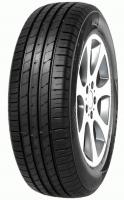

The Ion EVO is unfortunately tested quite rarely, but AutoBild tested it about a year ago in size 215/55 R18 (99 Y), and the PremiumContact 7 was included as well. The Ion EVO was the clear winner compared to the Continental — both in wet and dry conditions, handling, braking, and even aquaplaning tests. I recommend taking a look at the test results.
I’ve now been driving on these Hankooks for a few weeks (Polestar 2), and besides being a high-performance tire, it is also incredibly comfortable and quiet. I can recommend it without reservation.
The iON EVO does seem to be quite a special tyre though.
Here is the link to the results, where both the PC7 and the iON EVO are included: https://www.tyrereviews.com/Tyre-Tests/2025-EV-Tyre-Test.htm
I have actually tested the iON but not against the PC7. It is a very good tyre. Sadly there was an issue with part of the test so the full results couldn't be published yet.
Very interesting test results. I am currently thinking what my next pair of summers will be for my Ioniq 6 (225 / 55 R18). It is currently running on Hankook Ventus S1 Evo 3 EV, which have a C in wet braking and I really dislike their lack of wet grip.
When I pair this with other recent summer tyre tests (yours and ADAC first of all), it seems that both the Goodyear Efficient Grip 2 and Continental Ultragrip NXT are very similar in Safety/Handling to the Michelin Primacy 5, but quite a lot better in rolling resistance.
Going from the ADAC test, Goodyear is also very comparable in wear to the Michelin. I would assume the Ultragrip to be very competitive here, but so far I have seen no data on this.
Going to the safety/handling champs, like the Continental Premium Contact 7 and Pirelli Cinturato C3, they probably slot in rolling resistance like the Imperial in this test.
For me this means I either pay a premium and go the Premium Contact 7 / Pirelli route: This would result in ~160€ more over lifetime in energy, and 20% less mileage until they need to be changed. This is roughly 50% more expensive in total over tyre lifetime. Also, roughly 50 km less range per battery charge (Going just by a 2 kWh/100km increase).
If I go by the more economical prio, I would skip the Primacy 5 and go straight for Efficient Grip 2 or Ultragrip NXT. Means a lot cheaper to run and 50 km more on a single charge.
Would love to hear your thoughts on this.