Vi Bilägare tested ten summer tyres in the 205/55 R16 size - still the best-selling tyre dimension in Sweden by a wide margin, nearly double the sales of the next most common size on the aftermarket. The test focused on the premium touring segment, where comfort, wear life, and overall economy are prioritised over outright sportiness.
Dry
Continental stops shortest at 41.8 m, with Falken and Pirelli close behind. Linglong needs 48.0 m - over six metres more, a large gap that leaves every other tyre clustered between 42 and 45 metres.
Continental and Michelin share the top subjective rating for dry handling, praised for their composed, confidence-inspiring feel. Pirelli steers the sharpest but takes a slightly different approach - more agility, less calm. At the bottom, Landsail and Linglong both lose rear grip in lane-change manoeuvres.
- Continental PremiumContact 7
- Pirelli Cinturato C3
- Michelin Primacy 5
- Bridgestone Turanza 6
- Falken ZIEX ZE320
- Maxxis Premitra HP6
- Nexen N Fera Primus
- Nokian Hakka Blue 3
- Landsail RapidDragon
- Linglong Eco Master
Wet
Continental again leads on braking, stopping in 35.5 m from 100 km/h. Linglong trails at 42.0 m - nearly 20% longer, equating to about seven extra metres. That gap is the single largest safety difference measured in this test.
Pirelli is fastest around the wet handling circuit at 72.6 s, backed by its strong lateral grip. Continental and Nokian follow closely, both noted for feeling calm and secure at the limit. Linglong is slowest at 76.0 s, hampered by a tendency to snap into oversteer on throttle lift in corners.
- Pirelli Cinturato C3
- Continental PremiumContact 7
- Nokian Hakka Blue 3
- Michelin Primacy 5
- Bridgestone Turanza 6
- Falken ZIEX ZE320
- Nexen N Fera Primus
- Maxxis Premitra HP6
- Landsail RapidDragon
- Linglong Eco Master
Pirelli tops the wet circle test too, confirming its advantage in sustained cornering grip on wet surfaces. Maxxis - otherwise a midfield tyre - places second here, showing its sporty bias. The spread is small at just 0.5 s between first and eighth, but Linglong sits further back at 11.80 s.
- Pirelli Cinturato C3
- Maxxis Premitra HP6
- Nokian Hakka Blue 3
- Bridgestone Turanza 6
- Nexen N Fera Primus
- Continental PremiumContact 7
- Falken ZIEX ZE320
- Landsail RapidDragon
- Michelin Primacy 5
- Linglong Eco Master
Differences in straight-line aquaplaning resistance are unusually small - just 3% separates best from worst. Nexen leads at 85.7 km/h, with Nokian and Michelin close behind. Even last-placed Linglong at 83.2 km/h is not dramatically worse, making this one of the few tests where the budget tyres hold their own.
- Nexen N Fera Primus
- Nokian Hakka Blue 3
- Michelin Primacy 5
- Falken ZIEX ZE320
- Pirelli Cinturato C3
- Continental PremiumContact 7
- Maxxis Premitra HP6
- Bridgestone Turanza 6
- Landsail RapidDragon
- Linglong Eco Master
Comfort
Landsail scores highest for ride comfort - the softest response over bumps and joints. Maxxis and Nexen sit at the other end, both feeling noticeably firm. The premium tyres spread across the middle, suggesting that ride tuning does not correlate strongly with price in this group.
- Landsail RapidDragon
- Nokian Hakka Blue 3
- Bridgestone Turanza 6
- Falken ZIEX ZE320
- Michelin Primacy 5
- Continental PremiumContact 7
- Pirelli Cinturato C3
- Linglong Eco Master
- Nexen N Fera Primus
- Maxxis Premitra HP6
Continental is rated the quietest overall in the subjective noise assessment, followed by Falken, Landsail, and Nokian. Pirelli and Maxxis are judged the noisiest. Interestingly, Pirelli's high noise level contrasts with its otherwise strong dynamic performance - the sporty compound and construction that help grip also generate more sound.
- Continental PremiumContact 7
- Nokian Hakka Blue 3
- Falken ZIEX ZE320
- Landsail RapidDragon
- Nexen N Fera Primus
- Bridgestone Turanza 6
- Michelin Primacy 5
- Pirelli Cinturato C3
- Maxxis Premitra HP6
- Linglong Eco Master
The measured noise figures on coarse asphalt confirm the subjective rankings: Continental is quietest at 72.8 dB(A) and Pirelli loudest at 74.7 dB(A). The 1.9 dB(A) spread across the group is noticeable to the ear. Bridgestone, despite low measured values, was noted for having distinct low-frequency tones on rough surfaces that affected its subjective score.
- Continental PremiumContact 7
- Nexen N Fera Primus
- Falken ZIEX ZE320
- Bridgestone Turanza 6
- Nokian Hakka Blue 3
- Landsail RapidDragon
- Maxxis Premitra HP6
- Michelin Primacy 5
- Linglong Eco Master
- Pirelli Cinturato C3
Value
Linglong's eco focus pays off here - it is the most efficient at 5.15 l/100 km, just ahead of Michelin at 5.20. Pirelli uses the most fuel at 5.60 l/100 km. The 8% spread between best and worst is moderate, and mirrors the usual trade-off: the tyres with the lowest consumption tend to have the longest braking distances.
Results
Continental wins with 94 points, offering the best all-round balance - shortest braking distances, good handling, and low noise, with only ride comfort as a weakness. Pirelli takes second on grip and steering alone, while Nokian rounds out the podium as the safest wet-weather choice. At the bottom, the budget options from Landsail and Linglong show that the price gap still reflects a real performance gap, particularly in braking and limit handling.
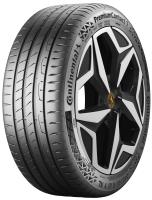
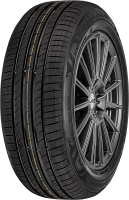
Continental PremiumContact 7 takes the overall win with the best balance of properties across all tests. The character leans sporty with sharp steering response, yet the tyre stays calm and predictable when pushed to the limit, remaining easy to control in emergency manoeuvres. Straight-line stability and everyday driving feel are good. It delivers the shortest stopping distances on both wet and dry surfaces. The main trade-off is ride comfort, which is on the firm side. Noise levels are surprisingly low, especially on coarse surfaces where it is the quietest in the group.
| Test |
# |
Result |
Best |
Diff |
% |
| Dry Braking |
1st |
41.8 M |
|
|
100% |
| Subj. Dry Handling |
1st |
5 Points |
|
|
100% |
| Test |
# |
Result |
Best |
Diff |
% |
| Wet Braking |
1st |
35.5 M |
|
|
100% |
| Wet Handling |
2nd |
72.9 s |
72.6 s |
+0.3 s |
99.59% |
| Wet Circle |
6th |
11.53 s |
11.3 s |
+0.23 s |
98.01% |
| Straight Aqua |
6th |
84.6 Km/H |
85.7 Km/H |
-1.1 Km/H |
98.72% |
| Test |
# |
Result |
Best |
Diff |
% |
| Subj. Comfort |
6th |
3 Points |
5 Points |
-2 Points |
60% |
| Subj. Noise |
1st |
5 Points |
|
|
100% |
| Rough Noise |
1st |
72.8 dB |
|
|
100% |
| Test |
# |
Result |
Best |
Diff |
% |
| Fuel Consumption |
7th |
5.5 l/100km |
5.15 l/100km |
+0.35 l/100km |
93.64% |
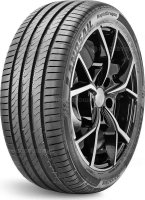
Pirelli Cinturato C3 has the most curve-happy character in the test. It is clearly the fastest around the wet handling circuit, combining strong lateral grip with sharp turn-in. Steering response is the quickest on dry roads too, and the tyre handles lane-change manoeuvres at high speed with confidence. Braking performance ranks near the top on both surfaces. The sporty setup comes at a cost: road noise on coarse asphalt is the highest measured, and fuel consumption is also the highest. Ride comfort is average.
| Test |
# |
Result |
Best |
Diff |
% |
| Dry Braking |
3rd |
42.6 M |
41.8 M |
+0.8 M |
98.12% |
| Subj. Dry Handling |
1st |
5 Points |
|
|
100% |
| Test |
# |
Result |
Best |
Diff |
% |
| Wet Braking |
2nd |
36.3 M |
35.5 M |
+0.8 M |
97.8% |
| Wet Handling |
1st |
72.6 s |
|
|
100% |
| Wet Circle |
1st |
11.3 s |
|
|
100% |
| Straight Aqua |
4th |
84.9 Km/H |
85.7 Km/H |
-0.8 Km/H |
99.07% |
| Test |
# |
Result |
Best |
Diff |
% |
| Subj. Comfort |
6th |
3 Points |
5 Points |
-2 Points |
60% |
| Subj. Noise |
8th |
2 Points |
5 Points |
-3 Points |
40% |
| Rough Noise |
10th |
74.7 dB |
72.8 dB |
+1.9 dB |
97.46% |
| Test |
# |
Result |
Best |
Diff |
% |
| Fuel Consumption |
10th |
5.6 l/100km |
5.15 l/100km |
+0.45 l/100km |
91.96% |
Nokian Hakka Blue 3 is a familiar performer that has placed well in previous tests. Wet roads remain its strongest area - no other tyre feels as composed and easy to manage in a crisis situation on slippery surfaces. It has no major weaknesses, but more demanding drivers will notice that the steering feel is somewhat non-linear, with forces building progressively rather than giving immediate feedback. Braking distances are short on both wet and dry, though several newer competitors now stop shorter. It is a comfort-oriented tyre with high safety margins.
| Test |
# |
Result |
Best |
Diff |
% |
| Dry Braking |
4th |
43.1 M |
41.8 M |
+1.3 M |
96.98% |
| Subj. Dry Handling |
7th |
3 Points |
5 Points |
-2 Points |
60% |
| Test |
# |
Result |
Best |
Diff |
% |
| Wet Braking |
4th |
36.9 M |
35.5 M |
+1.4 M |
96.21% |
| Wet Handling |
3rd |
73.2 s |
72.6 s |
+0.6 s |
99.18% |
| Wet Circle |
3rd |
11.4 s |
11.3 s |
+0.1 s |
99.12% |
| Straight Aqua |
2nd |
85.4 Km/H |
85.7 Km/H |
-0.3 Km/H |
99.65% |
| Test |
# |
Result |
Best |
Diff |
% |
| Subj. Comfort |
2nd |
4 Points |
5 Points |
-1 Points |
80% |
| Subj. Noise |
2nd |
4 Points |
5 Points |
-1 Points |
80% |
| Rough Noise |
5th |
73.7 dB |
72.8 dB |
+0.9 dB |
98.78% |
| Test |
# |
Result |
Best |
Diff |
% |
| Fuel Consumption |
5th |
5.35 l/100km |
5.15 l/100km |
+0.2 l/100km |
96.26% |
Falken Ziex ZE320 offers a good mix of comfort and safety. Compared to its predecessor ZE310, braking performance has improved, with some of the shortest stopping distances in the group. The driving experience is well-liked, with good stability and easy-to-manage behaviour in emergency manoeuvres. Comfort is solid: calm straight-line feel, soft response over joints and bumps, and reasonable noise levels. On the downside, fuel consumption is slightly higher and wet curve grip sits just behind the best. The tyre is easy to control at the grip limit. Consistently high scores across all tests put it just off the podium.
| Test |
# |
Result |
Best |
Diff |
% |
| Dry Braking |
2nd |
42.1 M |
41.8 M |
+0.3 M |
99.29% |
| Subj. Dry Handling |
4th |
4 Points |
5 Points |
-1 Points |
80% |
| Test |
# |
Result |
Best |
Diff |
% |
| Wet Braking |
3rd |
36.6 M |
35.5 M |
+1.1 M |
96.99% |
| Wet Handling |
6th |
74.2 s |
72.6 s |
+1.6 s |
97.84% |
| Wet Circle |
6th |
11.53 s |
11.3 s |
+0.23 s |
98.01% |
| Straight Aqua |
4th |
84.9 Km/H |
85.7 Km/H |
-0.8 Km/H |
99.07% |
| Test |
# |
Result |
Best |
Diff |
% |
| Subj. Comfort |
2nd |
4 Points |
5 Points |
-1 Points |
80% |
| Subj. Noise |
2nd |
4 Points |
5 Points |
-1 Points |
80% |
| Rough Noise |
2nd |
73.2 dB |
72.8 dB |
+0.4 dB |
99.45% |
| Test |
# |
Result |
Best |
Diff |
% |
| Fuel Consumption |
7th |
5.5 l/100km |
5.15 l/100km |
+0.35 l/100km |
93.64% |
Bridgestone Turanza 6 has shifted character compared to its predecessor, toning down the sportiness and improving comfort. It still provides good steering feel and easy-to-control handling. Grip balance is notably neutral - the driver can place the car precisely without oversteer or heavy understeer. It performs well across all tests without any major weak points. The only negatives are some sensitivity to noise on coarse road surfaces and a lack of standout top results in any single area. A consistent upper-midfield performer throughout.
| Test |
# |
Result |
Best |
Diff |
% |
| Dry Braking |
5th |
44 M |
41.8 M |
+2.2 M |
95% |
| Subj. Dry Handling |
4th |
4 Points |
5 Points |
-1 Points |
80% |
| Test |
# |
Result |
Best |
Diff |
% |
| Wet Braking |
5th |
37.2 M |
35.5 M |
+1.7 M |
95.43% |
| Wet Handling |
5th |
74 s |
72.6 s |
+1.4 s |
98.11% |
| Wet Circle |
4th |
11.48 s |
11.3 s |
+0.18 s |
98.43% |
| Straight Aqua |
8th |
84.2 Km/H |
85.7 Km/H |
-1.5 Km/H |
98.25% |
| Test |
# |
Result |
Best |
Diff |
% |
| Subj. Comfort |
2nd |
4 Points |
5 Points |
-1 Points |
80% |
| Subj. Noise |
5th |
3 Points |
5 Points |
-2 Points |
60% |
| Rough Noise |
4th |
73.5 dB |
72.8 dB |
+0.7 dB |
99.05% |
| Test |
# |
Result |
Best |
Diff |
% |
| Fuel Consumption |
6th |
5.4 l/100km |
5.15 l/100km |
+0.25 l/100km |
95.37% |
Michelin Primacy 5 delivers one of the most pleasant driving experiences in the test. Steering feel is refined with good straight-line stability, qualities that are appreciated in daily use. When pushed hard, it communicates grip levels clearly and stays easy to drive beyond the limit. Ride comfort is good over joints and bumps, though noise increases noticeably on coarse asphalt. Rolling resistance is among the lowest. The downside is that braking distances are only average on both wet and dry surfaces, and wet curve grip falls below the group mean.
| Test |
# |
Result |
Best |
Diff |
% |
| Dry Braking |
7th |
44.8 M |
41.8 M |
+3 M |
93.3% |
| Subj. Dry Handling |
1st |
5 Points |
|
|
100% |
| Test |
# |
Result |
Best |
Diff |
% |
| Wet Braking |
8th |
38.8 M |
35.5 M |
+3.3 M |
91.49% |
| Wet Handling |
4th |
73.8 s |
72.6 s |
+1.2 s |
98.37% |
| Wet Circle |
9th |
11.66 s |
11.3 s |
+0.36 s |
96.91% |
| Straight Aqua |
3rd |
85 Km/H |
85.7 Km/H |
-0.7 Km/H |
99.18% |
| Test |
# |
Result |
Best |
Diff |
% |
| Subj. Comfort |
2nd |
4 Points |
5 Points |
-1 Points |
80% |
| Subj. Noise |
5th |
3 Points |
5 Points |
-2 Points |
60% |
| Rough Noise |
8th |
74 dB |
72.8 dB |
+1.2 dB |
98.38% |
| Test |
# |
Result |
Best |
Diff |
% |
| Fuel Consumption |
2nd |
5.2 l/100km |
5.15 l/100km |
+0.05 l/100km |
99.04% |
Nexen N'Fera Primus SU1 Plus is labelled Ultra High Performance by the manufacturer but fits better in the standard High Performance category given its size range. Grip levels place it in the middle of the field with decent curve grip and acceptable stopping distances. It performs best against aquaplaning, topping the results in both straight and curved water tests. The slightly sportier feel shows through eager turn-in. However, grip loss at the limit can be sudden, making it harder to balance on the edge. Ride comfort is firm and fuel consumption sits on the higher side.
| Test |
# |
Result |
Best |
Diff |
% |
| Dry Braking |
6th |
44.4 M |
41.8 M |
+2.6 M |
94.14% |
| Subj. Dry Handling |
7th |
3 Points |
5 Points |
-2 Points |
60% |
| Test |
# |
Result |
Best |
Diff |
% |
| Wet Braking |
6th |
37.6 M |
35.5 M |
+2.1 M |
94.41% |
| Wet Handling |
7th |
74.3 s |
72.6 s |
+1.7 s |
97.71% |
| Wet Circle |
5th |
11.52 s |
11.3 s |
+0.22 s |
98.09% |
| Straight Aqua |
1st |
85.7 Km/H |
|
|
100% |
| Test |
# |
Result |
Best |
Diff |
% |
| Subj. Comfort |
9th |
2 Points |
5 Points |
-3 Points |
40% |
| Subj. Noise |
5th |
3 Points |
5 Points |
-2 Points |
60% |
| Rough Noise |
2nd |
73.2 dB |
72.8 dB |
+0.4 dB |
99.45% |
| Test |
# |
Result |
Best |
Diff |
% |
| Fuel Consumption |
7th |
5.5 l/100km |
5.15 l/100km |
+0.35 l/100km |
93.64% |
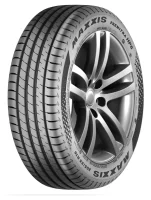
Maxxis Premitra HP6 is effectively a disguised sport tyre that works best when the road turns. It offers high stability in fast lane changes and the sharpest steering reactions in the test. The drawback is that it lacks the harmony of the better tyres - it feels overly track-sensitive and the grip balance is rear-biased, leading to a tail-happy, slide-prone character when pushed. Wet curve grip is strong, but the overall handling package is less predictable. It also has the firmest ride in the group and noticeable road noise.
| Test |
# |
Result |
Best |
Diff |
% |
| Dry Braking |
8th |
44.9 M |
41.8 M |
+3.1 M |
93.1% |
| Subj. Dry Handling |
4th |
4 Points |
5 Points |
-1 Points |
80% |
| Test |
# |
Result |
Best |
Diff |
% |
| Wet Braking |
7th |
38.3 M |
35.5 M |
+2.8 M |
92.69% |
| Wet Handling |
7th |
74.3 s |
72.6 s |
+1.7 s |
97.71% |
| Wet Circle |
2nd |
11.34 s |
11.3 s |
+0.04 s |
99.65% |
| Straight Aqua |
7th |
84.3 Km/H |
85.7 Km/H |
-1.4 Km/H |
98.37% |
| Test |
# |
Result |
Best |
Diff |
% |
| Subj. Comfort |
9th |
2 Points |
5 Points |
-3 Points |
40% |
| Subj. Noise |
8th |
2 Points |
5 Points |
-3 Points |
40% |
| Rough Noise |
7th |
73.9 dB |
72.8 dB |
+1.1 dB |
98.51% |
| Test |
# |
Result |
Best |
Diff |
% |
| Fuel Consumption |
4th |
5.3 l/100km |
5.15 l/100km |
+0.15 l/100km |
97.17% |
Landsail RapidDragon performs a step above what is typically seen from the budget segment. It turns in well and has no issues with aquaplaning. Comfort is decent, though straight-line stability at normal driving speeds is a bit vague. The problems appear when the tyre has to brake and steer at the same time - it becomes difficult to control under pressure. Emergency manoeuvres reveal a clearly oversteer-biased balance. Braking on its own is acceptable, but the overall behaviour under combined loads is still well behind the established brands.
| Test |
# |
Result |
Best |
Diff |
% |
| Dry Braking |
8th |
44.9 M |
41.8 M |
+3.1 M |
93.1% |
| Subj. Dry Handling |
9th |
2 Points |
5 Points |
-3 Points |
40% |
| Test |
# |
Result |
Best |
Diff |
% |
| Wet Braking |
9th |
40.1 M |
35.5 M |
+4.6 M |
88.53% |
| Wet Handling |
9th |
75.5 s |
72.6 s |
+2.9 s |
96.16% |
| Wet Circle |
8th |
11.54 s |
11.3 s |
+0.24 s |
97.92% |
| Straight Aqua |
9th |
84.1 Km/H |
85.7 Km/H |
-1.6 Km/H |
98.13% |
| Test |
# |
Result |
Best |
Diff |
% |
| Subj. Comfort |
1st |
5 Points |
|
|
100% |
| Subj. Noise |
2nd |
4 Points |
5 Points |
-1 Points |
80% |
| Rough Noise |
5th |
73.7 dB |
72.8 dB |
+0.9 dB |
98.78% |
| Test |
# |
Result |
Best |
Diff |
% |
| Fuel Consumption |
3rd |
5.25 l/100km |
5.15 l/100km |
+0.1 l/100km |
98.1% |
Linglong EcoMaster e lives up to its name with the lowest fuel consumption in the test, but that is where the positives end. Low rolling resistance directly conflicts with braking, and the stopping distance on dry roads is seven metres longer than the best. More concerning is the handling: lifting off the throttle in a wet curve triggers immediate rear-end breakaway. The same slide-prone behaviour appears in dry emergency manoeuvres. At normal speeds, the steering feels vague with poor straight-line stability. Road noise is also prominent. Last place is clear-cut.
| Test |
# |
Result |
Best |
Diff |
% |
| Dry Braking |
10th |
48 M |
41.8 M |
+6.2 M |
87.08% |
| Subj. Dry Handling |
9th |
2 Points |
5 Points |
-3 Points |
40% |
| Test |
# |
Result |
Best |
Diff |
% |
| Wet Braking |
10th |
42 M |
35.5 M |
+6.5 M |
84.52% |
| Wet Handling |
10th |
76 s |
72.6 s |
+3.4 s |
95.53% |
| Wet Circle |
10th |
11.8 s |
11.3 s |
+0.5 s |
95.76% |
| Straight Aqua |
10th |
83.2 Km/H |
85.7 Km/H |
-2.5 Km/H |
97.08% |
| Test |
# |
Result |
Best |
Diff |
% |
| Subj. Comfort |
6th |
3 Points |
5 Points |
-2 Points |
60% |
| Subj. Noise |
8th |
2 Points |
5 Points |
-3 Points |
40% |
| Rough Noise |
9th |
74.4 dB |
72.8 dB |
+1.6 dB |
97.85% |
| Test |
# |
Result |
Best |
Diff |
% |
| Fuel Consumption |
1st |
5.15 l/100km |
|
|
100% |
Discussion