Teknikens Värld tested 20 winter tyres in size 235/45 R18, comprising nine studded, eight Nordic friction (studless), and three Central European friction tyres. One studded tyre was disqualified for regulatory violations, leaving 19 in the final rankings. Testing used a Volvo V60 T6 plug-in hybrid across multiple locations in Sweden, covering braking, handling, aquaplaning, emergency maneuvers, comfort, and fuel efficiency.
Test Publication:
Teknikens Varld
235/45 R18
20 tyres
5 categories
Images courtesy of Teknikens Varld
Test Publication:
Teknikens Varld
Images courtesy of Teknikens Varld
Test Size:
235/45 R18
Tyres Tested:
20 tyres
Major Surprises
The Toyo Observe Ice-Freezer studded tyre was disqualified after entering with stud protrusion of 1.53-1.76mm versus its certified 0.95-0.96mm specification. Despite excessive protrusion, it delivered only the second-worst ice grip among studded tyres, proving ice performance depends on complete tyre design, not just studs.
The Kumho WinterCraft ice Wi32 produced stud noise described as resembling "an airplane propeller engine," making the test vehicle "remarkably uncomfortable" while destroying stability and predictability. The budget Mazzini Ice Leopard delivered ice grip comparable to Central European tyres not designed for ice - a catastrophic failure for a studded tyre.

Continental ContiVikingContact 8 won its second consecutive victory with remarkable all-around consistency, combining strong winter grip with refined road behavior and class-leading fuel efficiency. The testers praised its elimination of the traditional Nordic friction "spongy feel."
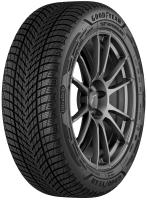
Goodyear placed strongly across all categories: second in Nordic friction (UltraGrip Ice 3) and studded (UltraGrip Ice Arctic 2), first in Central European (UltraGrip Performance 3). Its Nordic friction tyre notably delivered much better aquaplaning performance than competitors.
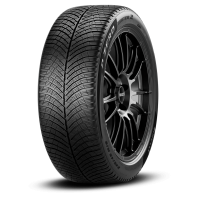
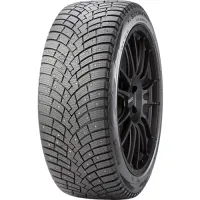
Pirelli Ice Friction debuted in second place overall, delivering ice grip "fully in the class of good studded tyres" with balanced all-around performance.
Nordic friction tyres dominated overall rankings (top three positions), showing the most balanced performance across all conditions. Aquaplaning remains their weakness versus Central European designs, though performance has improved significantly over the past decade from 50-56 km/h to 55.7-63.4 km/h.
Studded tyres excelled on ice and snow but compromised bare pavement performance. Nokian Hakkapeliitta 10 scored perfect 80/80 points for ice and snow braking yet finished sixth overall due to poor aquaplaning, mediocre dry handling, and disappointing comfort. Development has stagnated due to aging models and restrictive road wear regulations.
Central European friction tyres excelled on wet and dry pavement but proved inadequate on ice. Pirelli P Zero Winter 2 led this category, matching studded tyres for snow braking while delivering outstanding bare pavement performance, yet achieved catastrophically poor ice grip.
Key Findings
Aquaplaning created a clear hierarchy: Central European 75-77 km/h, studded 57-67 km/h, Nordic friction 55.7-64.6 km/h. Goodyear UltraGrip Ice 3's 64.6 km/h stood out as exceptionally strong for Nordic friction.
Emergency handling revealed Central European tyres reaching 74 km/h alongside top Nordic friction tyres at 72 km/h, while most studded tyres managed 68-69 km/h. Toyo Observe GSi-6HP's 68 km/h despite V-rating (240 km/h) suggests serious stability problems.
Rolling resistance showed best tyres at 5.726 l/100km versus worst at 6.012 l/100km (5% difference = 85.8 liters over 30,000 km). However, budget Goodride Zuper Snow Z-507 proved low rolling resistance meaningless without grip - despite second-best efficiency, it finished second-to-last overall.
Comfort differentiated similar tyres significantly. Michelin X-Ice Snow achieved maximum 10/10 for noise and damping, while Kumho scored just 1/10 - the test's lowest score in any category.
Regulatory Issues
The test exposed serious enforcement gaps in Swedish studded tyre regulations. Despite complex certification requirements, no oversight exists - enabling Toyo to sell tyres far exceeding certified specifications. New regulations take effect January 1, 2027, though testers doubt enforcement will improve.
Testers also warned about "All Season" tyres appearing in lease agreements as cost-saving measures, noting these compromise tyres are "not particularly good at anything" and "without a doubt give up safety."
Conclusion
Nordic friction tyres offer the best balance for Swedish conditions, combining improved winter grip with refined road manners and good efficiency. Studded tyres suit drivers frequently encountering ice or unplowed roads despite refinement compromises. Central European tyres work only for southern regions rarely facing winter conditions, providing "genuinely inadequate" ice grip when needed. The testers emphasized selecting tyres for actual local conditions rather than theoretical worst cases, while firmly rejecting efficiency gains that compromise safety.
Results
This test compares winter tyres from different sub-categories (Central European, Nordic friction, and studded). We've ranked them within each category so you can compare like-for-like.
Central European Winter Tyres
The Pirelli P Zero Winter 2 emerges as the test's best Central European friction tyre, though it follows the expected pattern for this category with poor ice grip but excellent bare pavement performance. On snow, it surprisingly achieves full points, but the ice performance is nowhere near adequate, leaving drivers vulnerable in truly slippery conditions. Where this tyre excels is on bare pavement - wet and dry - where it makes the test vehicle behave almost like it's fitted with summer tyres. Grip level from the Pirelli, combined with fine handling characteristics, makes the test car easy to drive even in difficult situations. The stability and precision on asphalt are outstanding, while aquaplaning resistance is excellent. However, fuel efficiency is mediocre compared to the best in class. This tyre represents the classic Central European compromise: superb for wet and slushy roads plus dry asphalt, but genuinely inadequate when real winter grip is needed.
| Test |
# |
Result |
Best |
Diff |
% |
| Subj. Wet Handling |
1st |
10 Points |
|
|
100% |
| Straight Aqua |
3rd |
75.9 Km/H |
76.8 Km/H |
-0.9 Km/H |
98.83% |
| Test |
# |
Result |
Best |
Diff |
% |
| Subj. Snow Handling |
13th |
14 Points |
20 Points |
-6 Points |
70% |
| Test |
# |
Result |
Best |
Diff |
% |
| Subj. Ice Handling |
17th |
6 Points |
20 Points |
-14 Points |
30% |
| Test |
# |
Result |
Best |
Diff |
% |
| Subj. Comfort |
6th |
8 Points |
10 Points |
-2 Points |
80% |
| Test |
# |
Result |
Best |
Diff |
% |
| Fuel Consumption |
11th |
5.952 l/100km |
5.726 l/100km |
+0.23 l/100km |
96.2% |
The Goodyear UltraGrip Performance 3 follows the same trend as the Pirelli P Zero Winter 2, delivering good snow grip but poor ice grip alongside genuinely good bare pavement performance. Both tyres provide similar behavior with good grip levels on asphalt, though their respective levels differ - and their approach to building that grip also varies. Goodyear often excels on wet surfaces in tyre tests, and this tyre is no exception, delivering outstanding wet performance. The stability and precision make the test vehicle easy to handle even at higher speeds, with small reactions even during mild cornering. Aquaplaning resistance is excellent, matching the best in the test. However, when real winter grip is needed on ice, this tyre falls short dramatically. Snow performance is reasonable for this category, and the comfort is good. It represents the classic Central European friction compromise perfectly executed - superb for motorway driving in wet conditions, adequate for snow, but genuinely inadequate when encountering ice.
| Test |
# |
Result |
Best |
Diff |
% |
| Subj. Wet Handling |
2nd |
9 Points |
10 Points |
-1 Points |
90% |
| Straight Aqua |
1st |
76.8 Km/H |
|
|
100% |
| Test |
# |
Result |
Best |
Diff |
% |
| Subj. Snow Handling |
13th |
14 Points |
20 Points |
-6 Points |
70% |
| Test |
# |
Result |
Best |
Diff |
% |
| Subj. Ice Handling |
17th |
6 Points |
20 Points |
-14 Points |
30% |
| Test |
# |
Result |
Best |
Diff |
% |
| Subj. Comfort |
2nd |
9 Points |
10 Points |
-1 Points |
90% |
| Test |
# |
Result |
Best |
Diff |
% |
| Fuel Consumption |
7th |
5.889 l/100km |
5.726 l/100km |
+0.16 l/100km |
97.23% |
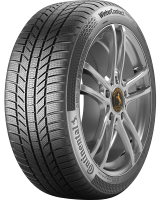
The Continental WinterContact TS870 P is very focused on dry, wet, or slushy roads, with ice grip that's almost the worst in the test. On bare pavement, however, it achieves 66 out of 70 possible points - an outstanding result. The tyre makes the test vehicle behave with summer tyre-like precision and stability, delivering excellent control and predictability. Aquaplaning resistance is superb, matching the best in the test. Where this tyre stands out is in its exceptional stability - it achieves the highest score in this category, making the test car feel planted and secure. The comfort is good, with reasonable noise levels and decent damping. Fuel efficiency is somewhat poorer than the best in class, which is surprising given Continental's typically strong showing in this area. For someone living in southern Sweden who drives mostly on motorways and rarely encounters genuine winter conditions, this tyre makes sense. But as soon as real winter grip is needed, the nearly non-existent ice performance becomes a serious liability that could mean the difference between stopping safely and having an accident.
| Test |
# |
Result |
Best |
Diff |
% |
| Subj. Wet Handling |
3rd |
8 Points |
10 Points |
-2 Points |
80% |
| Straight Aqua |
2nd |
76.6 Km/H |
76.8 Km/H |
-0.2 Km/H |
99.74% |
| Test |
# |
Result |
Best |
Diff |
% |
| Subj. Snow Handling |
13th |
14 Points |
20 Points |
-6 Points |
70% |
| Test |
# |
Result |
Best |
Diff |
% |
| Subj. Ice Handling |
17th |
6 Points |
20 Points |
-14 Points |
30% |
| Test |
# |
Result |
Best |
Diff |
% |
| Subj. Comfort |
6th |
8 Points |
10 Points |
-2 Points |
80% |
| Test |
# |
Result |
Best |
Diff |
% |
| Fuel Consumption |
14th |
5.976 l/100km |
5.726 l/100km |
+0.25 l/100km |
95.82% |
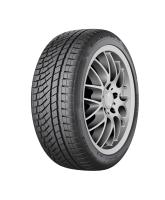
The Falken Eurowinter HS02 Pro performs like its competitors in the Central European friction class regarding ice and snow - the weakest side - with barely adequate winter performance. It performs well on snow, but struggles on ice. In other respects, it delivers mediocre performance where wet roads present the biggest problems despite this being supposedly the tyre's strong suit. Wet braking performs very well, but overall handling and behavior on wet surfaces doesn't match the class leaders. The stability and comfort are adequate but unremarkable. Aquaplaning performance is decent for the category. As a Japanese manufacturer with winter tyre production in Turkey, Falken has produced a tyre that represents the Central European friction compromise without excelling at any particular aspect. The middling performance across most categories means it lacks a compelling reason to choose it over better-performing alternatives. While the bare pavement performance is good, it's not outstanding enough to compensate for the winter weaknesses, leaving it as a mediocre all-around performer in a competitive field.
| Test |
# |
Result |
Best |
Diff |
% |
| Subj. Wet Handling |
4th |
7 Points |
10 Points |
-3 Points |
70% |
| Straight Aqua |
4th |
69.1 Km/H |
76.8 Km/H |
-7.7 Km/H |
89.97% |
| Test |
# |
Result |
Best |
Diff |
% |
| Subj. Snow Handling |
13th |
14 Points |
20 Points |
-6 Points |
70% |
| Test |
# |
Result |
Best |
Diff |
% |
| Subj. Ice Handling |
11th |
12 Points |
20 Points |
-8 Points |
60% |
| Test |
# |
Result |
Best |
Diff |
% |
| Subj. Comfort |
9th |
7 Points |
10 Points |
-3 Points |
70% |
| Test |
# |
Result |
Best |
Diff |
% |
| Fuel Consumption |
8th |
5.94 l/100km |
5.726 l/100km |
+0.21 l/100km |
96.4% |
The Goodride Zuper Snow Z-507 was the cheapest Central European friction tyre found on the market when the test started, and with that price comes performance that can almost be said to over-perform given the cost. It rolls genuinely lightly, achieving excellent fuel efficiency that nearly matches the test leaders. However, grip-wise it's poor, delivering inadequate ice performance and merely acceptable snow grip - well behind the leaders in winter conditions. On bare pavement, the performance is a mixed bag - aquaplaning is reasonable, and it doesn't completely fall apart on wet or dry roads, but it lacks the precision and confidence of better tyres. The comfort is mediocre and stability unremarkable. For drivers in southern Sweden who primarily drive on motorways and rarely encounter snow or ice, needing winter tyres mainly for the occasional snowfall, this budget option might suffice. But for anyone who regularly faces genuine winter conditions, the poor winter grip makes this a false economy. You get what you pay for, and while it avoids being catastrophically bad, it provides minimum acceptable performance at a minimum price.
| Test |
# |
Result |
Best |
Diff |
% |
| Subj. Wet Handling |
4th |
7 Points |
10 Points |
-3 Points |
70% |
| Straight Aqua |
5th |
67.2 Km/H |
76.8 Km/H |
-9.6 Km/H |
87.5% |
| Test |
# |
Result |
Best |
Diff |
% |
| Subj. Snow Handling |
20th |
10 Points |
20 Points |
-10 Points |
50% |
| Test |
# |
Result |
Best |
Diff |
% |
| Subj. Ice Handling |
20th |
4 Points |
20 Points |
-16 Points |
20% |
| Test |
# |
Result |
Best |
Diff |
% |
| Subj. Comfort |
9th |
7 Points |
10 Points |
-3 Points |
70% |
| Test |
# |
Result |
Best |
Diff |
% |
| Fuel Consumption |
4th |
5.742 l/100km |
5.726 l/100km |
+0.02 l/100km |
99.72% |
Nordic Friction Winter Tyres
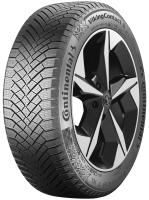
The Continental ContiVikingContact 8 takes its second consecutive victory in Teknikens Värld's winter tyre test, demonstrating an impressive ability to combine both grip and stability with low rolling resistance. The tyre delivers winning fuel efficiency while maintaining generally high performance levels across most surfaces. Historically, Nordic friction tyres suffered from a spongy feel on the road, but Continental has successfully eliminated this characteristic with a reasonably firm setup that genuinely enhances the driving experience. Aquaplaning remains the Achilles heel, as is typical for Nordic friction tyres which struggle with water and slush. However, the tyre excels in comfort with excellent damping and low noise levels, and provides outstanding stability that makes the test vehicle easy to handle. Overall, it presents a well-developed product that successfully balances winter grip with refined road manners.
| Test |
# |
Result |
Best |
Diff |
% |
| Subj. Wet Handling |
6th |
6 Points |
10 Points |
-4 Points |
60% |
| Straight Aqua |
19th |
56.7 Km/H |
76.8 Km/H |
-20.1 Km/H |
73.83% |
| Test |
# |
Result |
Best |
Diff |
% |
| Subj. Snow Handling |
1st |
20 Points |
|
|
100% |
| Test |
# |
Result |
Best |
Diff |
% |
| Subj. Ice Handling |
4th |
16 Points |
20 Points |
-4 Points |
80% |
| Test |
# |
Result |
Best |
Diff |
% |
| Subj. Comfort |
2nd |
9 Points |
10 Points |
-1 Points |
90% |
| Test |
# |
Result |
Best |
Diff |
% |
| Fuel Consumption |
1st |
5.726 l/100km |
|
|
100% |
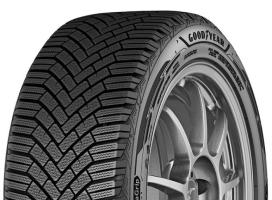
The Goodyear UltraGrip Ice 3 shares second place in the test, impressing with its ability to combine strong performance with excellent fuel efficiency. While ice braking performance is mediocre compared to the best studded tyres, the tyre otherwise delivers convincing results across the board. The grip level is genuinely good in most situations, and like Continental, it combines this with fine stability and good fuel efficiency. Notably, Goodyear breaks from the typical Nordic friction tyre pattern by performing much better at aquaplaning than competitors like Continental and Nokian - a significant difference that sets it apart. The tyre provides good response and well-balanced behavior, making the test vehicle easy to drive even in difficult situations. Unlike some competitors, it avoids the tendency toward rear-end instability that was noted in last year's test with the smaller 225/50 R17 dimension.
| Test |
# |
Result |
Best |
Diff |
% |
| Subj. Wet Handling |
6th |
6 Points |
10 Points |
-4 Points |
60% |
| Straight Aqua |
8th |
64.6 Km/H |
76.8 Km/H |
-12.2 Km/H |
84.11% |
| Test |
# |
Result |
Best |
Diff |
% |
| Subj. Snow Handling |
1st |
20 Points |
|
|
100% |
| Test |
# |
Result |
Best |
Diff |
% |
| Subj. Ice Handling |
7th |
14 Points |
20 Points |
-6 Points |
70% |
| Test |
# |
Result |
Best |
Diff |
% |
| Subj. Comfort |
2nd |
9 Points |
10 Points |
-1 Points |
90% |
| Test |
# |
Result |
Best |
Diff |
% |
| Fuel Consumption |
1st |
5.726 l/100km |
|
|
100% |
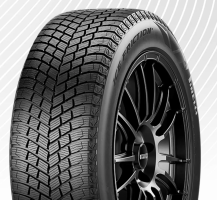
The Pirelli Ice Friction is this year's most interesting newcomer, sharing second place with Goodyear in an impressive debut. This Nordic friction tyre grips genuinely well across winter surfaces, though it shows slightly worse stability than the test winner and somewhat poorer fuel efficiency. The ice grip is better and fully in the class of good studded tyres, allowing the tyre to handle difficult situations where grip level is sufficient. On snow, it performs excellently and can compete with the best in the test. While wet road performance follows the typical Nordic friction pattern of being adequate but not outstanding, the tyre delivers respectable handling characteristics. The slightly softer character compared to Continental means it doesn't quite match the precision and stability of the test winner, but it remains an accomplished all-around performer that validates Pirelli's development in the Nordic friction category.
| Test |
# |
Result |
Best |
Diff |
% |
| Subj. Wet Handling |
16th |
5 Points |
10 Points |
-5 Points |
50% |
| Straight Aqua |
15th |
60.4 Km/H |
76.8 Km/H |
-16.4 Km/H |
78.65% |
| Test |
# |
Result |
Best |
Diff |
% |
| Subj. Snow Handling |
1st |
20 Points |
|
|
100% |
| Test |
# |
Result |
Best |
Diff |
% |
| Subj. Ice Handling |
4th |
16 Points |
20 Points |
-4 Points |
80% |
| Test |
# |
Result |
Best |
Diff |
% |
| Subj. Comfort |
2nd |
9 Points |
10 Points |
-1 Points |
90% |
| Test |
# |
Result |
Best |
Diff |
% |
| Fuel Consumption |
16th |
5.992 l/100km |
5.726 l/100km |
+0.27 l/100km |
95.56% |
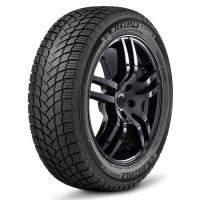
The Michelin X-Ice Snow continues to deliver mediocre ice performance, which simply isn't good enough for a tyre in this category. While the tyre made improvements this year compared to last year's test in dimension 225/50 R17, where it placed near the bottom, the change to a China-produced tyre (versus Canada previously) shows some progress. Stability stands out positively, being noticeably better than many competitors. Ice grip remains the weaker area, and snow grip is entirely acceptable but not exceptional. Where this tyre truly excels is in comfort - when switched to this tyre from the brutally loud Kumho, nearly all road noise disappears and the car suddenly becomes remarkably quiet. The ride quality and refinement are outstanding. Aquaplaning performance follows the typical Nordic friction pattern of being adequate but unexceptional. For drivers who rarely encounter genuinely icy conditions but want winter capability with excellent comfort, this could work, but the ice performance gap to the leaders remains too large for Nordic conditions.
| Test |
# |
Result |
Best |
Diff |
% |
| Subj. Wet Handling |
6th |
6 Points |
10 Points |
-4 Points |
60% |
| Straight Aqua |
13th |
62 Km/H |
76.8 Km/H |
-14.8 Km/H |
80.73% |
| Test |
# |
Result |
Best |
Diff |
% |
| Subj. Snow Handling |
11th |
16 Points |
20 Points |
-4 Points |
80% |
| Test |
# |
Result |
Best |
Diff |
% |
| Subj. Ice Handling |
11th |
12 Points |
20 Points |
-8 Points |
60% |
| Test |
# |
Result |
Best |
Diff |
% |
| Subj. Comfort |
1st |
10 Points |
|
|
100% |
| Test |
# |
Result |
Best |
Diff |
% |
| Fuel Consumption |
1st |
5.726 l/100km |
|
|
100% |
The Nokian Hakkapeliitta R5 delivers winter grip that's almost as good as the test's best tyres, but the car becomes somewhat more unsettled with these tyres - the stability isn't quite as good as the leaders. The tyre provides nearly the same excellent winter grip as Continental and Goodyear's top Nordic friction offerings, handling snow and reasonably slippery ice well. However, Nokian has always rolled easily in terms of fuel efficiency, though it's no longer the lightest rolling tyre in this test. Aquaplaning performance is weak, following the historical pattern where Nokian's Nordic friction tyres have struggled in this area for years. The comfort is adequate but not exceptional, with reasonable noise levels but lacking the refinement of the top tyres. The slightly more nervous behavior compared to the leaders means the car feels less settled and confident, particularly when pushed. For drivers who prioritize winter grip and fuel efficiency while accepting some compromises in wet weather performance and stability, this remains a solid choice, but it no longer leads the category as Nokian's offerings once did.
| Test |
# |
Result |
Best |
Diff |
% |
| Subj. Wet Handling |
6th |
6 Points |
10 Points |
-4 Points |
60% |
| Straight Aqua |
20th |
55.7 Km/H |
76.8 Km/H |
-21.1 Km/H |
72.53% |
| Test |
# |
Result |
Best |
Diff |
% |
| Subj. Snow Handling |
1st |
20 Points |
|
|
100% |
| Test |
# |
Result |
Best |
Diff |
% |
| Subj. Ice Handling |
7th |
14 Points |
20 Points |
-6 Points |
70% |
| Test |
# |
Result |
Best |
Diff |
% |
| Subj. Comfort |
12th |
6 Points |
10 Points |
-4 Points |
60% |
| Test |
# |
Result |
Best |
Diff |
% |
| Fuel Consumption |
5th |
5.82 l/100km |
5.726 l/100km |
+0.09 l/100km |
98.38% |
The Falken Winterpeak F-Snow 1 lacks the ice grip that the best tyres have, performing adequately on snow but struggling on ice. In other respects, it delivers mediocre performance where wet roads present particularly large problems. This Nordic friction tyre from Falken, also produced in Turkey, simply cannot match the winter performance of the category leaders. The wet performance is disappointing for a tyre that should handle these conditions reasonably well as a Nordic friction offering. Comfort and stability are adequate but nothing special, placing mid-pack in both categories. Aquaplaning performance is weak, and the tyre rolls somewhat heavily, impacting fuel efficiency. The overall impression is of a tyre that attempts to compete in the Nordic friction category but lacks the development refinement of Continental, Goodyear, and Pirelli's offerings. While it avoids any catastrophic failings, it also lacks any standout qualities that would recommend it over the established leaders. For a manufacturer trying to break into this specialized category, more development work is clearly needed.
| Test |
# |
Result |
Best |
Diff |
% |
| Subj. Wet Handling |
16th |
5 Points |
10 Points |
-5 Points |
50% |
| Straight Aqua |
14th |
61.4 Km/H |
76.8 Km/H |
-15.4 Km/H |
79.95% |
| Test |
# |
Result |
Best |
Diff |
% |
| Subj. Snow Handling |
6th |
18 Points |
20 Points |
-2 Points |
90% |
| Test |
# |
Result |
Best |
Diff |
% |
| Subj. Ice Handling |
11th |
12 Points |
20 Points |
-8 Points |
60% |
| Test |
# |
Result |
Best |
Diff |
% |
| Subj. Comfort |
9th |
7 Points |
10 Points |
-3 Points |
70% |
| Test |
# |
Result |
Best |
Diff |
% |
| Fuel Consumption |
15th |
5.988 l/100km |
5.726 l/100km |
+0.26 l/100km |
95.62% |
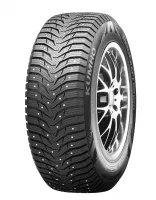
The Kumho WinterCraft ice Wi32 absolutely destroys any notion of comfort with brutally high and distinctive noise levels - the stud noise is so loud and characteristic that it resembles an airplane propeller engine, suddenly making the Volvo V60 test car remarkably uncomfortable. When switched to Nordic friction Michelin X-Ice Snow afterward, nearly all road noise vanishes and the car suddenly becomes remarkably quiet, highlighting just how extreme Kumho's noise problem is. Beyond the noise disaster, Kumho also negatively affects how the car behaves on the road - the V60 becomes choppy, loses its fine directional stability, and during mild cornering, the tyre makes the car disturbingly unpredictable in its reactions. While it manages decent ice grip when pointing straight ahead, this is completely overshadowed by the comfort catastrophe. Even with a significantly lower price than competitors, the appalling noise levels and poor road manners make this tyre impossible to recommend. It represents everything that gives studded tyres a bad reputation, taken to an extreme that's simply unacceptable for modern motoring.
| Test |
# |
Result |
Best |
Diff |
% |
| Subj. Wet Handling |
16th |
5 Points |
10 Points |
-5 Points |
50% |
| Straight Aqua |
17th |
57.6 Km/H |
76.8 Km/H |
-19.2 Km/H |
75% |
| Test |
# |
Result |
Best |
Diff |
% |
| Subj. Snow Handling |
11th |
16 Points |
20 Points |
-4 Points |
80% |
| Test |
# |
Result |
Best |
Diff |
% |
| Subj. Ice Handling |
4th |
16 Points |
20 Points |
-4 Points |
80% |
| Test |
# |
Result |
Best |
Diff |
% |
| Subj. Comfort |
20th |
1 Points |
10 Points |
-9 Points |
10% |
| Test |
# |
Result |
Best |
Diff |
% |
| Fuel Consumption |
11th |
5.952 l/100km |
5.726 l/100km |
+0.23 l/100km |
96.2% |
The Toyo Observe GSi-6HP leaves the testers somewhat puzzled by its character and performance. The tread pattern resembles a Nordic friction tyre more than a Central European friction design, yet the speed rating indicates Central European intentions. Performance-wise, it delivers a mixture leaning toward the worse end across most categories. The grip level on winter surfaces is inadequate for genuine Nordic conditions, though better than some Central European offerings. On bare pavement, it dramatically underperforms expectations - particularly shocking is the moose test result of just 68 km/h, matching the worst studded tyres and far below what a V-rated tyre should achieve. This suggests serious stability and grip problems at higher speeds. The tyre makes the test car prone to sudden breakaway on wet surfaces without warning, exhibiting low grip and poor balance. Comfort is reasonable, being one of the few positive notes. The overall impression is of a confused tyre that doesn't know what it wants to be - neither a proper Nordic friction tyre nor a competent Central European offering, instead falling between categories and excelling at neither. The mismatch between the high speed rating and poor high-speed handling is particularly concerning.
| Test |
# |
Result |
Best |
Diff |
% |
| Subj. Wet Handling |
6th |
6 Points |
10 Points |
-4 Points |
60% |
| Straight Aqua |
9th |
63.8 Km/H |
76.8 Km/H |
-13 Km/H |
83.07% |
| Test |
# |
Result |
Best |
Diff |
% |
| Subj. Snow Handling |
13th |
14 Points |
20 Points |
-6 Points |
70% |
| Test |
# |
Result |
Best |
Diff |
% |
| Subj. Ice Handling |
15th |
8 Points |
20 Points |
-12 Points |
40% |
| Test |
# |
Result |
Best |
Diff |
% |
| Subj. Comfort |
6th |
8 Points |
10 Points |
-2 Points |
80% |
| Test |
# |
Result |
Best |
Diff |
% |
| Fuel Consumption |
10th |
5.95 l/100km |
5.726 l/100km |
+0.22 l/100km |
96.24% |
Studded Winter Tyres
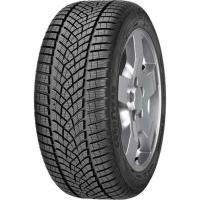
The Goodyear UltraGrip Ice Arctic 2 delivers the test's overall best studded tyre performance with flawless braking on ice and snow. These tyres grip in a way that no other studded tyre comes close to, making difficult situations easier to handle as the grip level is always sufficient. Both Goodyear and Nokian achieve full marks for ice and snow braking, with these tyres combining this with mediocre bare pavement performance - which is as good as studded tyres manage currently. The comfort and stability are typical for studded tyres, meaning adequate but not refined. Goodyear performs better than last year's test results, which noted a tendency toward skittishness - the larger dimension seems to have improved this characteristic significantly. Aquaplaning performance is reasonable for a studded tyre, though naturally well behind the friction alternatives. For drivers prioritizing ice and snow grip above all else while accepting studded tyre compromises on bare pavement, this represents an excellent choice that delivers maximum winter safety.
| Test |
# |
Result |
Best |
Diff |
% |
| Subj. Wet Handling |
6th |
6 Points |
10 Points |
-4 Points |
60% |
| Straight Aqua |
6th |
66.8 Km/H |
76.8 Km/H |
-10 Km/H |
86.98% |
| Test |
# |
Result |
Best |
Diff |
% |
| Subj. Snow Handling |
6th |
18 Points |
20 Points |
-2 Points |
90% |
| Test |
# |
Result |
Best |
Diff |
% |
| Subj. Ice Handling |
2nd |
18 Points |
20 Points |
-2 Points |
90% |
| Test |
# |
Result |
Best |
Diff |
% |
| Subj. Comfort |
15th |
5 Points |
10 Points |
-5 Points |
50% |
| Test |
# |
Result |
Best |
Diff |
% |
| Fuel Consumption |
13th |
5.959 l/100km |
5.726 l/100km |
+0.23 l/100km |
96.09% |
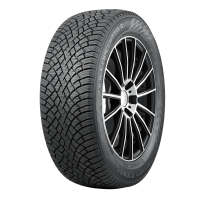
The Nokian Hakkapeliitta 10 would have won this test if it were based solely on ice and snow performance, delivering an unbeatable 80 out of 80 possible points for winter road grip. The stud grip is extremely difficult to match, and on the ice track, it feels like the car tenses up when these tyres are fitted - grip increases dramatically, giving the driver greater opportunities to easily handle difficult situations in extreme slipperiness. However, this winter supremacy comes at a cost on dry pavement, where it delivers mediocre performance typical of studded tyres at their current development level. The comfort results are particularly disappointing, letting down an otherwise strong performer. While it brakes and handles superbly on winter surfaces, the aquaplaning performance is weak and the overall road manners lack the refinement of the top Nordic friction tyres. For those who drive exclusively on ice and snow roads, this remains the top choice, but its compromises on bare pavement are significant.
| Test |
# |
Result |
Best |
Diff |
% |
| Subj. Wet Handling |
16th |
5 Points |
10 Points |
-5 Points |
50% |
| Straight Aqua |
17th |
57.6 Km/H |
76.8 Km/H |
-19.2 Km/H |
75% |
| Test |
# |
Result |
Best |
Diff |
% |
| Subj. Snow Handling |
1st |
20 Points |
|
|
100% |
| Test |
# |
Result |
Best |
Diff |
% |
| Subj. Ice Handling |
1st |
20 Points |
|
|
100% |
| Test |
# |
Result |
Best |
Diff |
% |
| Subj. Comfort |
15th |
5 Points |
10 Points |
-5 Points |
50% |
| Test |
# |
Result |
Best |
Diff |
% |
| Fuel Consumption |
9th |
5.946 l/100km |
5.726 l/100km |
+0.22 l/100km |
96.3% |
The Continental IceContact 3 delivers somewhat poorer ice grip than the Goodyear UltraGrip Ice Arctic 2 and Nokian Hakkapeliitta 10, but performs better in all test aspects on bare pavement. The stud grip is good when the car rolls straight, but performance diminishes more than it should when steering input is added. In other respects, this is a well-performing studded tyre that even rolls reasonably lightly, contributing to decent fuel efficiency. The comfort is adequate for a studded tyre, with noise levels that are almost in the class of the worst Central European friction tyres - which means an entirely acceptable noise level. Where Continental succeeds is in providing better bare pavement stability than many studded competitors, making the test vehicle more predictable and easier to control. It represents a sensible middle ground in the studded category, sacrificing some ultimate ice grip for improved everyday usability on cleared roads.
| Test |
# |
Result |
Best |
Diff |
% |
| Subj. Wet Handling |
6th |
6 Points |
10 Points |
-4 Points |
60% |
| Straight Aqua |
10th |
63.2 Km/H |
76.8 Km/H |
-13.6 Km/H |
82.29% |
| Test |
# |
Result |
Best |
Diff |
% |
| Subj. Snow Handling |
6th |
18 Points |
20 Points |
-2 Points |
90% |
| Test |
# |
Result |
Best |
Diff |
% |
| Subj. Ice Handling |
2nd |
18 Points |
20 Points |
-2 Points |
90% |
| Test |
# |
Result |
Best |
Diff |
% |
| Subj. Comfort |
12th |
6 Points |
10 Points |
-4 Points |
60% |
| Test |
# |
Result |
Best |
Diff |
% |
| Fuel Consumption |
6th |
5.886 l/100km |
5.726 l/100km |
+0.16 l/100km |
97.28% |
The Pirelli Ice Zero 2 lacks the ice grip of Goodyear UltraGrip Ice Arctic 2 and Nokian Hakkapeliitta 10 to truly compete for the studded tyre title. While ice grip could be better, it performs well in all other test aspects on bare pavement, standing out positively with notably better wet braking performance than other studded tyres and achieving the highest score among studded tyres for wet handling. The stability is somewhat better than most studded competitors, though the rather mediocre overall directional stability when cornering gently makes the tyre feel somewhat unpredictable in its reactions. This is a recurring theme across studded tyres - they simply cannot match the precision and composure of the best Nordic friction tyres on bare pavement. Still, for a studded tyre, the bare pavement manners are as good as they get in this test, making it a reasonable compromise for those who want studs but drive frequently on cleared roads.
| Test |
# |
Result |
Best |
Diff |
% |
| Subj. Wet Handling |
6th |
6 Points |
10 Points |
-4 Points |
60% |
| Straight Aqua |
6th |
66.8 Km/H |
76.8 Km/H |
-10 Km/H |
86.98% |
| Test |
# |
Result |
Best |
Diff |
% |
| Subj. Snow Handling |
6th |
18 Points |
20 Points |
-2 Points |
90% |
| Test |
# |
Result |
Best |
Diff |
% |
| Subj. Ice Handling |
7th |
14 Points |
20 Points |
-6 Points |
70% |
| Test |
# |
Result |
Best |
Diff |
% |
| Subj. Comfort |
12th |
6 Points |
10 Points |
-4 Points |
60% |
| Test |
# |
Result |
Best |
Diff |
% |
| Fuel Consumption |
16th |
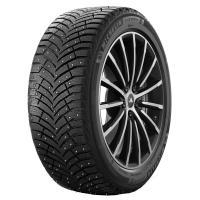
5.992 l/100km |
5.726 l/100km |
+0.27 l/100km |
95.56% |
The Michelin X-Ice North 4 achieves full marks for ice braking but struggles on actual ice roads, presenting an intriguing contradiction. How is this possible? The studded Michelin grips best when the car rolls straight, but performance deteriorates more than it should when steering input is applied. On snow, it performs well but cannot quite match the leaders. Fuel efficiency is poorer than the best studded tyres, dragging down the overall score. As the world's largest tyre manufacturer, Michelin's studded and Nordic friction tyres should be fighting at the top, but the grip level on ice and snow isn't sufficient to challenge despite the premium price tag indicating a premium product. The bare pavement performance is mediocre, typical for studded tyres, offering nothing special to compensate for the winter performance shortcomings. Overall, it's a disappointing showing from a manufacturer with Michelin's resources and reputation.
| Test |
# |
Result |
Best |
Diff |
% |
| Subj. Wet Handling |
6th |
6 Points |
10 Points |
-4 Points |
60% |
| Straight Aqua |
12th |
62.5 Km/H |
76.8 Km/H |
-14.3 Km/H |
81.38% |
| Test |
# |
Result |
Best |
Diff |
% |
| Subj. Snow Handling |
6th |
18 Points |
20 Points |
-2 Points |
90% |
| Test |
# |
Result |
Best |
Diff |
% |
| Subj. Ice Handling |
7th |
14 Points |
20 Points |
-6 Points |
70% |
| Test |
# |
Result |
Best |
Diff |
% |
| Subj. Comfort |
15th |
5 Points |
10 Points |
-5 Points |
50% |
| Test |
# |
Result |
Best |
Diff |
% |
| Fuel Consumption |
19th |
6.012 l/100km |
5.726 l/100km |
+0.29 l/100km |
95.24% |
The Toyo Observe Ice-Freezer entered the test with illegal stud protrusion, measuring between 1.53-1.76mm across the four tyres despite its certification showing the model passed wear testing with 0.95-0.96mm protrusion. This violates regulations, though Sweden has no enforcement of these rules, leading to disqualification from the test. The expectation was that such excessive stud protrusion would deliver abnormally good ice grip, but this proved entirely wrong. In fact, Toyo achieves the second-worst ice grip among studded tyres, barely better than the catastrophic Mazzini and performing at the level of Central European friction tyres. The tyre demonstrates that it's never just about the stud alone - it's always about the complete package the tyre represents, and here both Toyo and Mazzini fail completely. Additionally, the tyre makes the car prone to skidding on the wet test track in ways only seen with this tyre, with low grip levels and genuinely poor balance in the car. Bare pavement performance is mediocre across the board. The combination of illegal specification and poor performance is deeply disappointing from a established manufacturer like Toyo.
| Test |
# |
Result |
Best |
Diff |
% |
| Subj. Wet Handling |
20th |
3 Points |
10 Points |
-7 Points |
30% |
| Straight Aqua |
16th |
58.8 Km/H |
76.8 Km/H |
-18 Km/H |
76.56% |
| Test |
# |
Result |
Best |
Diff |
% |
| Subj. Snow Handling |
13th |
14 Points |
20 Points |
-6 Points |
70% |
| Test |
# |
Result |
Best |
Diff |
% |
| Subj. Ice Handling |
11th |
12 Points |
20 Points |
-8 Points |
60% |
| Test |
# |
Result |
Best |
Diff |
% |
| Subj. Comfort |
18th |
4 Points |
10 Points |
-6 Points |
40% |
| Test |
# |
Result |
Best |
Diff |
% |
| Fuel Consumption |
19th |
6.012 l/100km |
5.726 l/100km |
+0.29 l/100km |
95.24% |
The Mazzini Ice Leopard is a studded tyre with ice grip comparable to a Central European friction tyre - an absolutely unacceptable result that represents a complete failure of its primary purpose. As the cheapest studded tyre on the market when the test started, it places dead last with few redeeming qualities. The ice grip is catastrophic, barely better than tyres not designed for ice at all, clearly showing that it's never about just the studs - it's always about the complete package the tyre represents, and here Mazzini fails utterly. While it manages acceptable snow performance, this hardly compensates for the ice disaster. Bare pavement performance is mediocre across all categories, with poor stability making the car feel unsettled and unpredictable. The comfort is poor, typical of low-quality studded tyres. Aquaplaning is weak and fuel efficiency merely average. For anyone buying this tyre expecting studded tyre ice performance, they will be shocked and potentially endangered by how poorly it actually grips on ice. It represents false economy at its worst - saving money on purchase while delivering inadequate safety. There is simply no good reason to choose this tyre when far better studded options exist for modest additional cost. You truly get what you pay for, and here that means dangerously inadequate winter performance.
| Test |
# |
Result |
Best |
Diff |
% |
| Subj. Wet Handling |
6th |
6 Points |
10 Points |
-4 Points |
60% |
| Straight Aqua |
11th |
62.6 Km/H |
76.8 Km/H |
-14.2 Km/H |
81.51% |
| Test |
# |
Result |
Best |
Diff |
% |
| Subj. Snow Handling |
13th |
14 Points |
20 Points |
-6 Points |
70% |
| Test |
# |
Result |
Best |
Diff |
% |
| Subj. Ice Handling |
15th |
8 Points |
20 Points |
-12 Points |
40% |
| Test |
# |
Result |
Best |
Diff |
% |
| Subj. Comfort |
18th |
4 Points |
10 Points |
-6 Points |
40% |
| Test |
# |
Result |
Best |
Diff |
% |
| Fuel Consumption |
18th |
5.994 l/100km |
5.726 l/100km |
+0.27 l/100km |
95.53% |




I believe there was a transposition error. The VikingContact appears to have the same values as the WinterContact tire.
Thanks dude, this test was a tricky one to enter due to the three categories of tyres, I've updated the three contis which should update on the site soon.
Definitely understandable, thank you! Appreciate all the work you put in on this page. Helps me keep me and my family safe on the roads; especially in winter.
- a fellow Salt Lake’r ?