
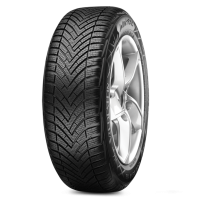
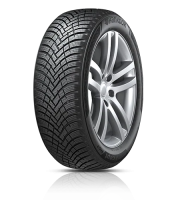
Hankook Winter I cept RS3 vs Vredestein Wintrac
Expect a contrast of priorities: the Hankook skews toward confident winter-road security (snow grip, aquaplaning margins, longevity, and value), while the Vredestein emphasizes comfort and select braking advantages (dry and ice) but trades off some wet handling/braking headroom and wear life.

Test Results
Independent comparison tyre tests are the best source of data to get tyre information from, and the good news is there have been five tests which compare both tyres directly!
| Tyre | Test Wins | Performance |
|---|---|---|
| Hankook Winter I cept RS3 | five |
While it might look like the Hankook Winter I cept RS3 is better than the Vredestein Wintrac purely based on the higher number of test wins, tyres are very complicated objects which means where one tyre is better than the other can be more important in real world use.
Let's look at how the two tyres compare across multiple tyre test categories.
Key Strengths
- Best-in-test aquaplaning resistance (straight and curved) across multiple tests
- Consistently stronger snow performance (braking, traction, handling)
- Excellent longevity and wear; strong value and low rolling resistance
- Predictable, secure handling in mixed winter conditions
- Shorter dry and ice braking in several tests
- Low cabin noise and good ride refinement
- Balanced overall behavior with safe limits
- Competitive efficiency in some tests (fuel/rolling resistance)

Dry Braking
Looking at data from three tyre tests, the Vredestein Wintrac was better during three dry braking tests. On average the Vredestein Wintrac stopped the vehicle in 3.54% less distance than the Hankook Winter I cept RS3.
Best In Dry Braking: Vredestein Wintrac
See how the Dry Braking winner was calculated >>
Dry Handling [Km/H]
Looking at data from one tyre tests, the Hankook Winter I cept RS3 was better during one dry handling [km/h] tests. On average the Hankook Winter I cept RS3 was 0.36% faster around a lap than the Vredestein Wintrac.
Best In Dry Handling [Km/H]: Hankook Winter I cept RS3
See how the Dry Handling winner was calculated >>
Wet Braking
Looking at data from four tyre tests, the Vredestein Wintrac was better during three wet braking tests. On average the Vredestein Wintrac stopped the vehicle in 0.07% less distance than the Hankook Winter I cept RS3.
Best In Wet Braking: Vredestein Wintrac
See how the Wet Braking winner was calculated >>
Wet Braking - Concrete
Looking at data from two tyre tests, the Vredestein Wintrac was better during one wet braking - concrete tests. On average the Vredestein Wintrac stopped the vehicle in 0.87% less distance than the Hankook Winter I cept RS3.
Best In Wet Braking - Concrete: Vredestein Wintrac
See how the Wet Braking - Concrete winner was calculated >>
Wet Handling [Km/H]
Looking at data from one tyre tests, the Hankook Winter I cept RS3 was better during one wet handling [km/h] tests. On average the Hankook Winter I cept RS3 was 0.3% faster around a wet lap than the Vredestein Wintrac.
Best In Wet Handling [Km/H]: Hankook Winter I cept RS3
See how the Wet Handling winner was calculated >>
Wet Circle
Looking at data from one tyre tests, the Vredestein Wintrac was better during one wet circle tests. On average the Vredestein Wintrac was 0.24% faster around a wet circle than the Hankook Winter I cept RS3.
Best In Wet Circle: Vredestein Wintrac
See how the Wet Circle winner was calculated >>
Straight Aqua
Looking at data from three tyre tests, the Hankook Winter I cept RS3 was better during three straight aqua tests. On average the Hankook Winter I cept RS3 floated at a 3.03% higher speed than the Vredestein Wintrac.
Best In Straight Aqua: Hankook Winter I cept RS3
See how the Straight Aqua winner was calculated >>
Curved Aquaplaning
Looking at data from three tyre tests, the Hankook Winter I cept RS3 was better during three curved aquaplaning tests. On average the Hankook Winter I cept RS3 slipped out at a 10.99% higher speed than the Vredestein Wintrac.
Best In Curved Aquaplaning: Hankook Winter I cept RS3
See how the Curved Aquaplaning winner was calculated >>
Snow Braking
Looking at data from four tyre tests, the Hankook Winter I cept RS3 was better during four snow braking tests. On average the Hankook Winter I cept RS3 stopped the vehicle in 4.19% less distance than the Vredestein Wintrac.
Best In Snow Braking: Hankook Winter I cept RS3
See how the Snow Braking winner was calculated >>
Snow Traction
Looking at data from three tyre tests, the Hankook Winter I cept RS3 was better during two snow traction tests. On average the Hankook Winter I cept RS3 had 2.25% better snow traction than the Vredestein Wintrac.
Best In Snow Traction: Hankook Winter I cept RS3
See how the Snow Traction winner was calculated >>
Snow Handling [Km/H]
Looking at data from one tyre tests, the Hankook Winter I cept RS3 was better during one snow handling [km/h] tests. On average the Hankook Winter I cept RS3 was 1.85% faster around a lap than the Vredestein Wintrac.
Best In Snow Handling [Km/H]: Hankook Winter I cept RS3
See how the Snow Handling winner was calculated >>
Snow Slalom
Looking at data from one tyre tests, the Hankook Winter I cept RS3 was better during one snow slalom tests. On average the Hankook Winter I cept RS3 was 2.72% faster through a slalom than the Vredestein Wintrac.
Best In Snow Slalom: Hankook Winter I cept RS3
See how the Snow Slalom winner was calculated >>
Ice Braking
Looking at data from two tyre tests, the Vredestein Wintrac was better during two ice braking tests. On average the Vredestein Wintrac stopped the vehicle 2.53% shorter than the Hankook Winter I cept RS3.
Best In Ice Braking: Vredestein Wintrac
See how the Ice Braking winner was calculated >>
Noise
Looking at data from three tyre tests, the Vredestein Wintrac was better during three noise tests. On average the Vredestein Wintrac measured 1.02% quieter than the Hankook Winter I cept RS3.
Best In Noise: Vredestein Wintrac
See how the Noise winner was calculated >>
Wear
Looking at data from three tyre tests, the Hankook Winter I cept RS3 was better during two wear tests. On average the Hankook Winter I cept RS3 is predicted to cover 16.4% miles before reaching 1.6mm than the Vredestein Wintrac.
Best In Wear: Hankook Winter I cept RS3
See how the Wear winner was calculated >>
Value
Looking at data from one tyre tests, the Hankook Winter I cept RS3 was better during one value tests. On average the Hankook Winter I cept RS3 proved to have a 23.91% better value based on price/1000km than the Vredestein Wintrac.
Best In Value: Hankook Winter I cept RS3
See how the Value winner was calculated >>
Rolling Resistance
Looking at data from one tyre tests, the Hankook Winter I cept RS3 was better during one rolling resistance tests. On average the Hankook Winter I cept RS3 had a 3.62% lower rolling resistance than the Vredestein Wintrac.
Best In Rolling Resistance: Hankook Winter I cept RS3
See how the Rolling Resistance winner was calculated >>
Fuel Consumption
Looking at data from two tyre tests, the Vredestein Wintrac was better during one fuel consumption tests. On average the Vredestein Wintrac used 0.93% less fuel than the Hankook Winter I cept RS3.
Best In Fuel Consumption: Vredestein Wintrac
See how the Fuel Consumption winner was calculated >>
Abrasion
Looking at data from two tyre tests, the Hankook Winter I cept RS3 was better during one abrasion tests. On average the Hankook Winter I cept RS3 emitted 11.94% less particle wear matter than the Vredestein Wintrac.
Best In Abrasion: Hankook Winter I cept RS3
See how the Abrasion winner was calculated >>
Real World Driver Reviews
Tyre Reviews also collects real world driver reviews for the Hankook Winter I cept RS3 and Vredestein Wintrac.
In total the Hankook Winter I cept RS3 has been reviewed 25 times and drivers have given the tyre 78% overall.
The Vredestein Wintrac has been reviewed 3 times and drivers have given the tyre 86% overall.
This means in real world driving, people prefer the Vredestein Wintrac.
First season/initial thoughts:
Dry roads - car was predictible, tyres felt a little bit softer and less responsive, in comparision with summer tyres (in my case it's 195/55 R15 2020's Michelin Energy Saver+), but it's a winter tyre, so it's absolutly normal to have a slightly different feeling in steering response or... Continue reading this review using the link below
Conclusion
The Vredestein Wintrac suits drivers prioritizing cabin refinement and crisp straight-line braking on dry and occasionally icy roads. However, its wet stopping/handling and notably shorter projected life in key 2024 tests weaken its all-round proposition. If you drive varied winter routes, the Hankook is the safer bet; if your winters are mostly cold, dry, and you prize quietness, the Vredestein makes sense. The memorable takeaway: when conditions deteriorate (deep water, slush, sustained snow), the Hankook's safety margins widen.
Key Differences
- Overall results: Hankook ranked higher in all shared tests (e.g., AE 2024: 3rd vs 5th; ADAC 2024: 4th vs 10th).
- Aquaplaning: Hankook holds a clear margin (e.g., AB 2024 straight 84.5 km/h vs 80.7; curved +26% g).
- Snow: Hankook repeatedly shorter braking and better traction/handling (e.g., AB 2024 snow brake 29.1 m vs 30.2 m).
- Wet: Small gaps but Vredestein often a touch shorter in wet braking; Hankook counters with better wet handling/aqua safety.
- Dry: Vredestein typically stops shorter; Hankook's dry braking lags slightly but handling is competitive.
- Wear/Value: Hankook shows markedly longer mileage and better price/value indices in 2024 datasets.
Overall Winner: Hankook Winter I cept RS3
Based on the tyre test data and user reviews we have in our database, the Hankook Winter I cept RS3 has demonstrated better overall performance in this comparison. However, as you can see from the spider diagram above, each tyre has its own strengths which should be considered in your final tyre buying choice.Similar Comparisons
Looking for more tyre comparisons? Here are other direct comparisons involving these tyres:


Vredestein Wintrac Top Comparisons

Footnote
This page has been developed using tyre industry testing best practices. This means we are only comparing tests which have had both tyres in the same test.
Why is this important? Tyre testing is heavily affected by things like surface grip levels and surface temperature, which means you can only compare values from the same day. During a tyre test external condition changes are calculated into the overall results, but it is not possible to calculate this between tyre tests performed on different days or at different locations.
As a result you will see other tests on Tyre Reviews which feature both the %s and %s, but as they weren't conducted on the same day, the results are not comparable.
Lots of other websites do this sort of tyre comparison, Tyre Reviews doesn't.
Discussion
- No comments yet — be the first.