

Hankook Ventus Evo vs Vredestein Ultrac+
- TR Score
- 9.4/10
- Owners say
- 86% · 24
- TR Score
- 8.4/10
- Owners say
- 83% · 8
In the 2 independent tests that ran both tyres, the Hankook Ventus Evo finished ahead 2 times and the Ultrac+ not once. The Ventus Evo stopped 8.4% shorter in the wet; the Ultrac+ had 12.8% lower rolling resistance.
Data updated

Which should you buy?
Choose the Hankook Ventus Evo if you care about wet safety, sporty handling, and overall performance-it's consistently in the top group and dominates the Vredestein in braking, grip, and aquaplaning. Choose the Vredestein Ultrac+ mainly if your priority is lower rolling resistance/efficiency and you drive in a relaxed, touring style, accepting longer wet and dry stopping distances and less composure when driven hard.
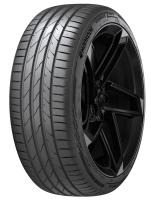
Where the Ventus Evo is stronger
- Class-leading wet performance in these tests (best wet braking and top aquaplaning results, including 78.8 km/h vs 75.4 km/h straight aquaplaning)
- Consistently strong dry dynamics (shorter dry braking at ~37.3 m and quicker dry handling times)
- High driver confidence/feel at the limit (top subjective dry and wet handling scores in the datasets)
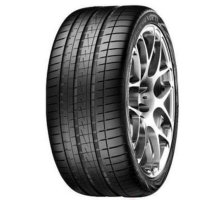
Where the Ultrac+ is stronger
- Value 2/2 Had 12.8% lower rolling resistance (2 tests)
The measured tallies (wins out of measurements in the shared tests) come straight from the tables below. The written verdict and bullet points are analysis of those tests and of owner reviews; where they and the figures disagree, the figures are right.
Ventus Evo vs Ultrac+ at a glance
| Category | Ventus Evo | Gap | Ultrac+ |
|---|---|---|---|
| Shared tests won2 shared tests | 2 | 0 | |
| Dry6 measurements | 6 | The Ventus Evo stopped 5.1% shorter in the dry (2 tests) | 0 |
| Wet11 measurements | 11 | The Ventus Evo stopped 8.4% shorter in the wet (2 tests) | 0 |
| Comfort4 measurements | 4 | The Ventus Evo was 1.2 dB quieter (2 tests) | 0 |
| Value2 measurements | 0 | The Ultrac+ had 12.8% lower rolling resistance (2 tests) | 2 |
| Tyre Reviews Scoreevery test and review we hold | 9.4/10 | The Ventus Evo by 1.0 | 8.4/10 |
| Owner rating24 and 8 reviews | 86% | The Ventus Evo by 3 points | 83% |
| Would buy againshare of owners | 78% | The Ventus Evo by 7 points | 71% |
| Sizes madeEU label registrations | 106 | 9 sizes made in both | 57 |
Wins count every measurement the shared tests recorded for both tyres; a tick marks the tyre ahead on that line. Subjective driver scores count as wins but are never averaged, because each test uses its own scale.
Head to head in 2 tests in 2026
Each row is one published test in which both tyres ran on the same car, in the same size, on the same day. The line is the whole field, winner on the left.
| Test | Ventus Evo | Field | Ultrac+ |
|---|---|---|---|
| 2026 Motor Summer Tyre Test | P3 of 9 | P9 of 9 | |
| The BEST Summer Tyres for 2026 Tested and Rated | P3 of 12 | P10 of 12 |

Performance profile
10 measurements from the 2 shared tests, each tyre shown as its share of the better figure in every test.
Where each is furthest ahead
Ventus Evo
Ultrac+
Point at or tap any spoke for both tyres' figures.
In each test the better of the two figures counts as 100% and the other as its share of it, so a 36 m stop against 34.2 m is 95%; each spoke averages the shared tests that recorded it. The scale stops at 90%: a point further in sits on the hub's edge, hollow. 3 measurements recorded in only one shared test are left off; every measurement is in the table further down.
Where each scores higher
Ventus Evo
Ultrac+
Point at or tap any spoke for both tyres' figures.
Category scores are percentiles among tyres of the same season and class: 90 means this tyre out-performs 90% of them, measured across every test we hold, not only the ones it appeared in.
Where owners rate each higher
Ventus Evo
Ultrac+
Point at or tap any spoke for both tyres' figures.
Owners rate the Ventus Evo 86% from 24 reviews and the Ultrac+ 83% from 8. Each spoke is one question owners answer out of 10; reviews are vetted by hand before publication.
Every measurement, side by side
Averages of the figures both tyres posted in the same tests. The gap is the average of each test's own gap, so figures from different cars and years are never mixed. Open a discipline for its measurements, and a measurement for every test's figure.
| Measurement | Ventus Evo | Gap | Ultrac+ | Wins | ||||||||
|---|---|---|---|---|---|---|---|---|---|---|---|---|
| 37.32 | 5.1% | 39.32 | 2-0 | |||||||||
|
||||||||||||
| 73.84 | 1.5% | 74.96 | 2-0 | |||||||||
|
||||||||||||
| scored | 18.3% | scored | 2-0 | |||||||||
|
||||||||||||
| 35.43 | 8.4% | 38.7 | 2-0 | |||||||||
|
||||||||||||
| 69.8 | 4.2% | 72.83 | 2-0 | |||||||||
|
||||||||||||
| scored | 11.5% | scored | 1-0 | |||||||||
|
||||||||||||
| 0.77 | 7.6% | 0.71 | 1-0 | |||||||||
|
||||||||||||
| 12.18 | 4.2% | 12.72 | 1-0 | |||||||||
|
||||||||||||
| 78.81 | 4.5% | 75.38 | 2-0 | |||||||||
|
||||||||||||
| 3.84 | 2.1% | 3.76 | 2-0 | |||||||||
|
||||||||||||
| scored | 1.6% | scored | 2-0 | |||||||||
|
||||||||||||
| 67.75 | 1.2 dB | 68.9 | 2-0 | |||||||||
|
||||||||||||
| 4.86 | 12.8% | 4.25 | 0-2 | |||||||||
|
||||||||||||
Braking distances and lap times are better when lower; speeds, wear and grip figures when higher. A test's figures are its own: sizes, cars, surfaces and temperatures differ from one to the next, which is why the averages here are only ever of tests the two tyres shared. "Scored" rows are subjective driver ratings: each test uses its own scale, so only the wins are counted.
Scores beyond the shared tests
On the Tyre Reviews Score, which weighs every test and review we hold, the Ventus Evo scores 9.4 and the Ultrac+ 8.4 out of 10.
| Ventus Evo | Category | Ultrac+ | ||
|---|---|---|---|---|
| 89 | Dry | 60 | ||
| 99 | Wet | 74 | ||
| 50 | Comfort | 92 | ||
| 47 | Value | 53 | ||
Category scores are percentiles among tyres of the same season and class: 90 means this tyre out-performs 90% of them, measured across every test we hold, not only the ones it appeared in.
What owners say
| Ventus Evo | Category | Ultrac+ | ||
|---|---|---|---|---|
| 9.3 | Dry Grip | 8.9 | ||
| 9.2 | Wet Grip | 9.1 | ||
| 8.3 | Road Feedback | 7.9 | ||
| 9 | Handling | 7.9 | ||
| 7.8 | Wear | 7.7 | ||
| 7.9 | Comfort | 8.5 | ||
Owners rate the Ventus Evo 86% from 24 reviews and the Ultrac+ 83% from 8. Reviews are vetted by hand before publication; ownership is not verified.
Hankook Ventus Evo
- 86%from 24 reviews
- 78%would buy again
- 106,316 milesdriven by reviewers
Owners rate the Hankook Ventus Evo very highly overall, with most praising strong dry and wet grip that inspires confidence. A clear majority also highlight low road noise and a comfortable, compliant ride for an everyday performance tyre. The main drawback is steering feel: around one in three owners say it lacks initial feedback or sharpness versus premium rivals, even if outright grip remains strong.
- Very strong dry grip
- Very strong wet grip
- Generally quiet at speed
- Comfortable, compliant ride
- Steering feel lacks feedback/initial bite for some drivers
- Can be a bit noisy on certain surfaces or at particular speeds
- Ride can feel slightly firm on low-profile fitments
Summarised by AI from 21 vetted reviews; the reviews themselves are on the tyre page.
All 24 Ventus Evo reviewsI bought set of these in SUV version to replace OEM worn-out Bridgestone Dueller tyres. The Hankooks were one of few options available in size for Lexus RX and the price was very good. Obviously, they are sport-biased, not intended for a comfortable relaxed SUV. Their grip both in dry and wet is perfect, steering precise. But, they are not the choice for maximum comfort and silence. Winter set (Conti 870P) in the same size are significantly quieter and more comfortable. However, these tyres are a smart choice- good price, peak safety and also good wear- after 20000km stil about 4-5mm. I would buy them again, but not for RX.
Vredestein Ultrac+
- 83%from 8 reviews
- 71%would buy again
- 35,000 milesdriven by reviewers
Across seven reviews, the Vredestein Ultrac+ is described as a strong all-rounder with standout wet-weather security, including very high confidence in heavy rain and good resistance to aquaplaning. Drivers also commonly praise its comfortable ride, generally low cabin noise, and precise, planted handling/steering. Value for money is repeatedly highlighted as a major strength. A smaller subset of users report slightly worse fuel economy/rolling resistance versus some alternatives, and isolated feedback notes higher noise at high motorway speeds on coarse surfaces.
- Excellent wet grip and high-speed rain stability/aquaplaning resistance
- Comfortable ride and good bump absorption
- Generally quiet/low noise (often described as a low hum)
- Precise steering and stable handling
- Slight fuel economy/rolling resistance penalty versus some competitors
Summarised by AI from 7 vetted reviews; the reviews themselves are on the tyre page.
All 8 Ultrac+ reviewsI xannot recommend these vrederstein tyres higly enough. On safety ,fuel economy and dry and wet weather handling and safety . If they have any weakness it would be on tred wear. But at 90 pounds a tyre i wil never drive on anything else.
Sizes, EU label and lineage
From the EU label registrations for each tyre: 106 sizes of the Ventus Evo and 57 of the Ultrac+, 9 of them made in both.
| Category | Ventus Evo | Ultrac+ |
|---|---|---|
| Season | Summer | Summer |
| Sizes made | 106 sizes, 17 to 22 inch | 57 sizes, 15 to 20 inch |
| Made in both | 9 sizes 205/45 R17205/55 R17215/45 R17225/45 R17225/50 R17225/55 R17225/60 R17245/45 R17225/55 R18 | |
| EU label wet grip | A97%B3% | A100% |
| EU label rolling resistance | C83%A10%B7%D1% | B50%C45%A3%D1% |
| EU label noise | 68-73 dB B76%A24% | 69-70 dB B100% |
| On the market since | - | 2024 |
| Replaced | Hankook Ventus S1 evo 3 (2021) | - |
| Awards | Winner: Performance Tyre of the Year (WhatTyre, 2026/27) Winner: Performance Tyre of the Year (WhatTyre, 2025) | - |
Label grades are shown as the share of registered sizes carrying each grade, so "B (88%), C (12%)" means most sizes are B. Grades vary by size; check the label for yours.
Reading the results
Written from the test results and owner reviews above. It is analysis, not a measurement: where it and the tables disagree, the tables are right.
This is an interesting matchup because the tyres target slightly different buyers even though they're both summer passenger-car options. The Hankook Ventus Evo (K137) is positioned as a max-performance summer tyre aiming for sporty grip and confidence near the limit, while the Vredestein Ultrac+ is more of a premium-touring summer tyre with a greater emphasis on everyday usability and efficiency.
Across the two shared 225/45 R17 tests from 2026, the pattern is extremely consistent: the Hankook repeatedly sits in the front-running group (3rd in both tests and “Highly Recommended” in one), while the Vredestein finishes in the lower tier (9/9 and 10/13). The most telling separation is on wet braking and overall wet grip-areas that strongly affect real-world safety margins-while Vredestein's main counterpunch is lower rolling resistance (better efficiency).
Conclusion
On objective performance, the Hankook Ventus Evo is the clear winner of this head-to-head. It beats the Vredestein in every measured dynamic category across both tests-dry braking (37.3 m vs 39.3 m), wet braking (e.g., 43.2 m vs 47.2 m in Motor; 27.66 m vs 30.2 m in the other test), wet handling (70.9 s vs 73.8 s), and aquaplaning (78.8 km/h vs 75.4 km/h straight-line). Subjective scores also align with the data: Hankook is repeatedly described as confidence-inspiring and sporty at the limit, while the Vredestein is noted for understeer and overheating when pushed.
The Vredestein Ultrac+ isn't “unsafe”-both test write-ups call it generally acceptable/solid in normal wet driving and reasonably resistant to aquaplaning-but it gives away meaningful stopping distance and grip, especially in the wet where it's weakest in the group in braking and lateral grip. Its one consistent advantage is efficiency: rolling resistance is around 12-13% better than the Hankook in both datasets (e.g., 0.762 vs 0.876 kg/t; 7.73 vs 8.84 kg/t). Practical takeaway: if you want a tyre that feels and performs like a top-tier sporty summer option at a mid-segment price, choose the Hankook; if your priority is lower energy consumption and you drive gently, the Vredestein can make sense, but you're trading away a notable chunk of grip and braking margin.
Ventus Evo vs Ultrac+: your questions
Is the Hankook Ventus Evo or the Vredestein Ultrac+ the better tyre?
In the 2 independent tests that ran both tyres, the Hankook Ventus Evo finished ahead 2 times and the Ultrac+ not once. On the Tyre Reviews Score, which weighs every test and review we hold, the Ventus Evo scores 9.4 and the Ultrac+ 8.4 out of 10.
Which is better in the wet, the Ventus Evo or the Ultrac+?
The Ventus Evo led 11 of the 11 wet measurements the shared tests recorded. On average it stopped 8.4% shorter in the wet across 2 tests.
Which is better in the dry?
The Ventus Evo led 6 of the 6 dry measurements the shared tests recorded. On average it stopped 5.1% shorter in the dry across 2 tests.
Which lasts longer and costs less to run?
The Ultrac+ had 12.8% lower rolling resistance (2 tests). Owners rate wear 7.8/10 for the Ventus Evo and 7.7/10 for the Ultrac+.
Which is quieter and more comfortable?
The Ventus Evo was 1.2 dB quieter (2 tests). Owners rate comfort 7.9/10 for the Ventus Evo and 8.5/10 for the Ultrac+.
What do owners say?
Owners rate the Ventus Evo 86% from 24 reviews and the Ultrac+ 83% from 8. 78% of Ventus Evo owners would buy it again, against 71% for the Ultrac+.
Are they available in the same sizes?
The Ventus Evo is made in 106 sizes (17 to 22 inch) and the Ultrac+ in 57 (15 to 20 inch). 9 sizes are available in both. On the EU label the Ventus Evo is graded A for wet grip and C for rolling resistance in most sizes; the Ultrac+ A and B.
More comparisons with these tyres
vs  Hankook Ventus Evo vs Michelin Pilot Sport 5
3-4 in 7 shared tests
 vs
Goodyear Eagle F1 Asymmetric 6 vs Hankook Ventus Evo
1-5 in 6 shared tests
vs
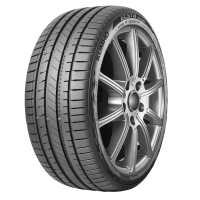 Hankook Ventus Evo vs Kumho Ecsta Sport PS72
6-2 in 8 shared tests
 vs
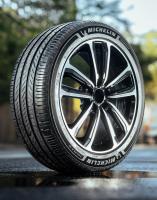
Michelin Primacy 5 vs Vredestein Ultrac+
3-1 in 4 shared tests
 vs
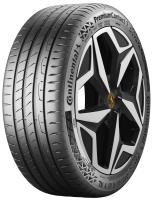
Continental PremiumContact 7 vs Hankook Ventus Evo
2-3 in 6 shared tests
vs
Hankook Ventus Evo vs Michelin Primacy 5
2-0 in 2 shared tests
vs
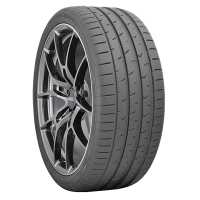 Hankook Ventus Evo vs Toyo Proxes Sport 2
3-0 in 3 shared tests
vs
 Hankook Ventus Evo vs Yokohama Advan Sport V107
5-0 in 5 shared tests
Run either of these?
Your review is the part of this page no test can supply: how the tyre wore, how it aged, what it was like in the rain in year three. It takes about five minutes.
Where this data comes from
Finishing positions and measurements are transcribed from each published test. A test only counts here when both tyres ran in it, so every figure was recorded on the same car, size and day as the one it is compared to.
About the TR Score
The Tyre Reviews Score rates each tyre out of 10 from every independent test result and vetted owner review we hold, so two tyres can be compared even before a test has run them together.
Who does the testing
Every test published as a Tyre Reviews test is run by Jonathan Benson, who has been testing tyres independently since 2007.
Discussion