Dunlop Winter vs Michelin Alpin 7
- TR Score
- 9.3/10
- Owners say
- 89% · 2
- TR Score
- 9.5/10
- Owners say
- 90% · 15
In the 3 independent tests that ran both tyres, the Alpin 7 finished ahead 2 times and the Winter not once, with one level. The Winter stopped 1.1% shorter in the dry; the Alpin 7 had 10.2% lower rolling resistance.
Data updated

Which should you buy?
Choose the Michelin Alpin 7 if your winter driving is mostly on wet roads and shorter wet stops are your priority. Choose the Dunlop Winter if projected tread life matters more and you want its small but repeatable edge in snow braking.
Where the Winter is stronger
- Shorter snow braking in all three tests, with the clearest lead in Auto Bild
- Fastest snow handling and best snow slalom result in Auto Bild
- Longest projected tread life in ADAC
Where the Alpin 7 is stronger
- Shorter wet braking in all three tests
- Lowest rolling resistance in Auto Bild and Auto Express
- Second-shortest ice braking distance in ADAC
Conclusion
The Michelin Alpin 7 is the better fit for drivers who spend most of winter on wet roads. It stopped about 1% shorter than the Dunlop in Auto Bild, 3% shorter in ADAC and 4% shorter in Auto Express, and was also quicker on the wet handling courses at Auto Bild and Auto Express. That is a consistent advantage over the Dunlop, not a class-leading wet result. Straight-line aquaplaning was less clear-cut: the Michelin resisted it to a higher speed in ADAC and Auto Express, but Auto Bild found the reverse, with a similar gap in the Dunlop's favour. There was little between them in dry braking outside Auto Bild, where the Dunlop stopped about 2.5% shorter.
The Dunlop Winter makes a stronger case for drivers who regularly brake on snow. It stopped shorter in all three tests, but the two were effectively level in ADAC and Auto Express. Auto Bild was the standout for the Dunlop: it was ahead in every snow measure, with much larger gains in handling and the slalom than in braking or traction. That handling advantage did not carry over to Auto Express, where the Michelin was narrowly quicker, and ADAC praised the Michelin's precise snow handling and measured an ice stop a metre shorter than the Dunlop's. The Dunlop's snow braking edge is more repeatable than any wider claim to better winter grip.
For drivers who cover plenty of miles, the Dunlop's projected tread life was about 27% longer in ADAC, where it also shed less rubber. The Michelin's rolling resistance was about 9% lower in Auto Bild and 11% lower in Auto Express, although the Dunlop used slightly less fuel in ADAC. Choose the Dunlop if tread life is the priority and its weaker wet results are an acceptable trade-off. The Michelin is the better choice if wet braking matters most and you still want a tyre that performed well on snow and ice in ADAC.
Where to buy
Dunlop Winter Michelin Alpin 7Affiliate links: we may earn a commission if you buy. It never changes our results.
The bullet points are analysis of the shared tests and of owner reviews; the measured wins in each discipline are in the tables below. Where the two disagree, the figures are right.
Winter vs Alpin 7 at a glance
| Category | Winter | Gap | Alpin 7 |
|---|---|---|---|
| Shared tests won3 shared tests | 0 | 1 level | 2 |
| Dry5 measurements | 2 | The Alpin 7 averaged a 0.9% higher speed on the dry handling course (1 test) | 3 |
| Wet14 measurements | 2 | The Alpin 7 stopped 2.9% shorter in the wet (3 tests) | 12 |
| Snow9 measurements | 7 | The Winter stopped 1.7% shorter on snow (3 tests) | 2 |
| Ice1 measurement | 0 | The Alpin 7 stopped 5.6% shorter on ice (1 test) | 1 |
| Comfort4 measurements | 1 | 2 | |
| Value4 measurements | 2 | Level between the two. | 2 |
| Environment1 measurement | 1 | The Winter shed 23% less rubber in the abrasion test (1 test) | 0 |
| Tyre Reviews Scoreevery test and review we hold | 9.3/10 | The Alpin 7 by 0.2 | 9.5/10 |
| Owner rating2 and 15 reviews | 89% | Too close to call | 90% |
| Pricein the 3 tests that listed prices | Cheaper | The Alpin 7 was dearer in 3 of 3 | +26.3% |
| Sizes madeEU label registrations | 63 | 30 sizes made in both | 49 |
Wins count every measurement the shared tests recorded for both tyres; a tick marks the tyre ahead on that line. Subjective driver scores count as wins but are never averaged, because each test uses its own scale.
Head to head in 3 tests in 2026
Each row is one published test in which both tyres ran on the same car, in the same size, on the same day. The line is the whole field, winner on the left.
| Test | Winter | Field | Alpin 7 |
|---|---|---|---|
| 2026 Auto Bild 205/55 R16 Winter Tyre Test | P8 of 14 | P8 of 14 | |
| 2026 ADAC Winter Tyre Test - 225/50 R17 | P8 of 16 | P4 of 16 | |
| 2026 Auto Express Winter Tyre Test | P8 of 11 | P4 of 11 |

Performance profile
23 measurements from the 3 shared tests, each tyre shown as its share of the better figure in every test.
Where each is furthest ahead
Winter
Alpin 7
Point at or tap any spoke for both tyres' figures.
In each test the better of the two figures counts as 100% and the other as its share of it, so a 36 m stop against 34.2 m is 95%; each spoke averages the shared tests that recorded it. The scale stops at 85%: a point further in sits on the hub's edge, hollow.
Where each scores higher
Winter
Alpin 7
Point at or tap any spoke for both tyres' figures.
Category scores are percentiles among tyres of the same season and class: 90 means this tyre out-performs 90% of them, measured across every test we hold, not only the ones it appeared in.
Every measurement, side by side
Averages of the figures both tyres posted in the same tests. The gap is the average of each test's own gap, so figures from different cars and years are never mixed. Open a discipline for its measurements, and a measurement for every test's figure.
| Measurement | Winter | Gap | Alpin 7 | Wins | ||||||||||||
|---|---|---|---|---|---|---|---|---|---|---|---|---|---|---|---|---|
| 99.7% | 99.6% | 2-3 | ||||||||||||||
| 44.47 | 1.1% | 44.97 | 2-1 | |||||||||||||
|
||||||||||||||||
| 57.94 | 0.1% | 57.88 | 0-1 | |||||||||||||
|
||||||||||||||||
| 80.4 | 0.9% | 81.1 | 0-1 | |||||||||||||
|
||||||||||||||||
| 97.4% | 99.7% | 2-12 | ||||||||||||||
| 41.07 | 2.9% | 39.96 | 0-3 | |||||||||||||
|
||||||||||||||||
| 42 | 2.6% | 40.9 | 0-1 | |||||||||||||
|
||||||||||||||||
| 90.77 | 2.1% | 88.83 | 0-1 | |||||||||||||
|
||||||||||||||||
| 65.6 | 2.3% | 67.1 | 0-1 | |||||||||||||
|
||||||||||||||||
| 14.46 | 1% | 14.33 | 0-2 | |||||||||||||
|
||||||||||||||||
| 77.8 | 1.4% | 78.87 | 1-2 | |||||||||||||
|
||||||||||||||||
| 2.87 | 4.4% | 2.97 | 1-2 | |||||||||||||
|
||||||||||||||||
| 99.6% | 96.2% | 7-2 | ||||||||||||||
| 17.51 | 1.7% | 17.87 | 3-0 | |||||||||||||
|
||||||||||||||||
| 6 | 0.8% | 6.05 | 1-0 | |||||||||||||
|
||||||||||||||||
| 3,984 | 0.1% | 3,953 | 1-1 | |||||||||||||
|
||||||||||||||||
| 88.02 | 1.2% | 86.96 | 0-1 | |||||||||||||
|
||||||||||||||||
| 62.9 | 5.4% | 59.7 | 1-0 | |||||||||||||
|
||||||||||||||||
| 4.41 | 16.1% | 3.8 | 1-0 | |||||||||||||
|
||||||||||||||||
| 94.4% | 100% | 0-1 | ||||||||||||||
| 17.9 | 5.6% | 16.9 | 0-1 | |||||||||||||
|
||||||||||||||||
| 99.7% | 99.9% | 1-21 level | ||||||||||||||
| scored | 9.3% | scored | 0-1 | |||||||||||||
|
||||||||||||||||
| 70.27 | 0.2 dB | 70.1 | 1-1 | |||||||||||||
|
||||||||||||||||
| 96.6% | 92.4% | 2-2 | ||||||||||||||
| 59,300 | 26.7% | 46,800 | 1-0 | |||||||||||||
|
||||||||||||||||
| 8.54 | 10.2% | 7.67 | 0-2 | |||||||||||||
|
||||||||||||||||
| 5.5 | 1.8% | 5.6 | 1-0 | |||||||||||||
|
||||||||||||||||
| 100% | 77.0% | 1-0 | ||||||||||||||
| 57 | 23% | 74 | 1-0 | |||||||||||||
|
||||||||||||||||
Braking distances and lap times are better when lower; speeds, wear and grip figures when higher. A test's figures are its own: sizes, cars, surfaces and temperatures differ from one to the next, which is why the averages here are only ever of tests the two tyres shared. "Scored" rows are subjective driver ratings: each test uses its own scale, so only the wins are counted. The percentage on each discipline's own row is that tyre's overall for the discipline: its figure as a share of the better one in each test, averaged across the discipline's measured rows, so 100% means it led every one.
Scores beyond the shared tests
On the Tyre Reviews Score, which weighs every test and review we hold, the Winter scores 9.3 and the Alpin 7 9.5 out of 10.
| Winter | Category | Alpin 7 | ||
|---|---|---|---|---|
| 69 | Dry | 77 | ||
| 70 | Wet | 81 | ||
| 66 | Comfort | 67 | ||
| 85 | Value | 88 | ||
| 97 | Environment | 71 | ||
| 88 | Snow | 75 | ||
| 53 | Ice | 92 | ||
Category scores are percentiles among tyres of the same season and class: 90 means this tyre out-performs 90% of them, measured across every test we hold, not only the ones it appeared in.
What owners say
| Winter | Category | Alpin 7 | ||
|---|---|---|---|---|
| 8 | Dry Grip | 8.8 | ||
| 9 | Wet Grip | 9.1 | ||
| 8.5 | Road Feedback | 7.9 | ||
| 8 | Handling | 8.6 | ||
| - | Wear | 9.6 | ||
| 9.5 | Comfort | 9.4 | ||
| 9.5 | Snow Grip | 9.1 | ||
| 8 | Ice Grip | 8 | ||
Owners rate the Winter 89% from 2 reviews and the Alpin 7 90% from 15. Reviews are vetted by hand before publication; ownership is not verified.
Dunlop Winter
- 89%from 2 reviews
- 4,000 milesdriven by reviewers
All 2 Winter reviewsGreat tyre with good grip on compacted snow. Good on wet as well. As I drive electric I appreciate, that Dunlop Winter is very quiet tyre. Great price as well. Set of tyres cost me 250 euros.
Michelin Alpin 7
- 90%from 15 reviews
- 100%would buy again
- 101,561 milesdriven by reviewers
Owners of the Michelin Alpin 7 most often praise its comfortable ride, with good bump absorption and low noise also widely reported. Dry and wet grip draw favourable comments, while most who mention snow traction are positive, including in fresh and packed snow. A few owners also report good grip in slush. Around one in six apiece criticise soft sidewalls, less direct steering and higher rolling resistance. All 13 reviews are positive, with an average owner score of 90%. Most reviews describe the tyre when new, so there is limited evidence on how it performs as it wears.
- Comfortable ride over bumps and rough roads
- Low road noise
- Good dry grip
- Good traction on snow
- Soft sidewalls
- Higher rolling resistance
- Less direct steering feel
Summarised by AI from 13 vetted reviews; the reviews themselves are on the tyre page.
All 15 Alpin 7 reviewsGreat in the snow. Few times per winter, I have to drive through 10-15-20 cm snow layer on the unpaved dirt road, and these tyres are great!
Sizes, EU label and lineage
From the EU label registrations for each tyre: 63 sizes of the Winter and 49 of the Alpin 7, 30 of them made in both.
| Category | Winter | Alpin 7 |
|---|---|---|
| Season | Winter | Winter |
| Sizes made | 63 sizes, 15 to 21 inch | 49 sizes, 15 to 20 inch |
| Made in both | 30 sizes 185/65 R15195/65 R15195/55 R16195/60 R16205/55 R16205/60 R16215/55 R16215/60 R16215/65 R16225/55 R16205/45 R17205/50 R17and 18 more | |
| EU label wet grip | C74%B26% | B100% |
| EU label rolling resistance | C75%B14%D10% | C66%B30%D5% |
| EU label noise | 69-72 dB B99%A1% | 69-71 dB B100% |
| Severe snow (3PMSF) sizes | 69 of 69 | 64 of 64 |
| On the market since | 2025 | 2024 |
| Replaced | - | Michelin Alpin 6 (2018) |
| Awards | Rated by other publications Eco Specialist 1 Recommended 3 |
Tyre Reviews awards
Recommended The BEST Winter Tyres for 2026/27
Rated by other publications
Highly Recommended 2
Recommended 6
Third-party awards
Winner: Best Winter SUV Tyre (DriverReviews, 2025/26)
Highly Recommended: Best Winter Tyre (DriverReviews, 2025/26)
|
| Price in the shared tests | The Alpin 7 was the dearer tyre in 3 of the 3 tests that listed prices, by 26.3% on average. Each test priced the tyres in its own market at the time; only the gap is comparable. | |
Prices by size
Lowest price per tyre at our partner shops, including delivery, in the sizes both are made in.
| Size | Winter | Alpin 7 |
|---|---|---|
| 185/65 R15 | ||
| 195/65 R15 | ||
| 195/55 R16 | ||
| 195/60 R16 | ||
| 205/55 R16 | ||
| 205/60 R16 | ||
| 215/55 R16 | ||
| 215/60 R16 | ||
| 215/65 R16 | ||
| 225/55 R16 | ||
| 205/45 R17 | ||
| 205/50 R17 |
Affiliate links: we may earn a commission if you buy. It never changes our results.
Label grades are shown as the share of registered sizes carrying each grade, so "B (88%), C (12%)" means most sizes are B. Grades vary by size; check the label for yours.
Reading the results
Written from the test results and owner reviews above. It is analysis, not a measurement: where it and the tables disagree, the tables are right.
Three independent winter tyre tests put the Dunlop Winter and Michelin Alpin 7 side by side in 2026: Auto Bild, ADAC and Auto Express. The Michelin was fourth to the Dunlop's eighth in both ADAC and Auto Express, while the pair shared eighth in Auto Bild. The clearest recurring difference was wet braking, where the Michelin stopped shorter in all three tests.
The Dunlop's best showing on snow came in Auto Bild, where it was faster than every other tyre on the handling course and led the slalom. It also edged the Michelin in snow braking in all three tests, though only Auto Bild found much between them. The Michelin had the lowest rolling resistance in both Auto Bild and Auto Express, while the Dunlop had the longest projected tread life in ADAC. The distinction for higher-mileage drivers is whether lower rolling resistance or more distance from a set matters more.
Winter vs Alpin 7: your questions
Is the Dunlop Winter or the Michelin Alpin 7 the better tyre?
In the 3 independent tests that ran both tyres, the Michelin Alpin 7 finished ahead 2 times and the Winter not once, with one level. On the Tyre Reviews Score, which weighs every test and review we hold, the Winter scores 9.3 and the Alpin 7 9.5 out of 10.
Which is better in the wet, the Winter or the Alpin 7?
The Alpin 7 led 12 of the 14 wet measurements the shared tests recorded. On average it stopped 2.9% shorter in the wet across 3 tests.
Which is better in the dry?
The Alpin 7 led 3 of the 5 dry measurements the shared tests recorded. It averaged a 0.9% higher speed on the dry handling course in the one shared test that measured it.
Which is better in snow?
The Winter led 7 of the 9 snow measurements the shared tests recorded. On average it stopped 1.7% shorter on snow across 3 tests.
Which lasts longer and costs less to run?
The Winter lasted 26.7% longer in the wear test (1 test) and used 1.8% less fuel (1 test); the Alpin 7 had 10.2% lower rolling resistance (2 tests).
Which sheds less rubber as it wears?
The Winter shed 23% less rubber in the abrasion test (1 test). Abrasion tests measure the rubber a tyre sheds as it wears.
Which is quieter and more comfortable?
Owners rate comfort 9.5/10 for the Winter and 9.4/10 for the Alpin 7.
What do owners say?
Owners rate the Winter 89% from 2 reviews and the Alpin 7 90% from 15.
Which is more expensive?
In the 3 tests that listed prices, the Alpin 7 was the dearer tyre in 3 of them, by 26.3% on average. Prices are the test's own at the time, in its own market.
Are they available in the same sizes?
The Winter is made in 63 sizes (15 to 21 inch) and the Alpin 7 in 49 (15 to 20 inch). 30 sizes are available in both. On the EU label the Winter is graded C for wet grip and C for rolling resistance in most sizes; the Alpin 7 B and C.
Which is the newer tyre?
The Winter is the newer design: it reached the market in 2025, the Alpin 7 in 2024. The Alpin 7 replaced the Michelin Alpin 6.
More comparisons with these tyres
 vs
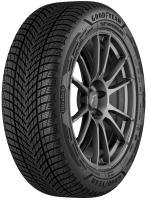
Continental WinterContact TS 870 P vs Michelin Alpin 7
6-0 in 6 shared tests
 vs
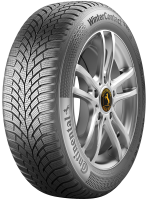
Goodyear UltraGrip Performance 3 vs Michelin Alpin 7
11-4 in 15 shared tests
 vs
Continental WinterContact TS 870 vs Michelin Alpin 7
6-1 in 7 shared tests
 vs
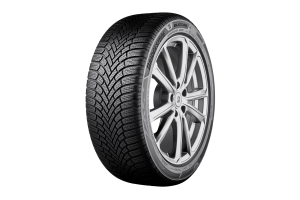
Bridgestone Blizzak 6 vs Michelin Alpin 7
6-7 in 14 shared tests
vs
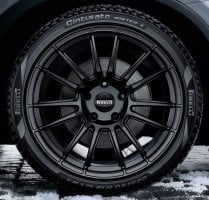 Michelin Alpin 7 vs Pirelli Cinturato Winter 3
0-6 in 6 shared tests
vs
Dunlop Winter vs Goodyear UltraGrip Performance 3
1-4 in 5 shared tests
vs
Bridgestone Blizzak 6 vs Dunlop Winter
4-1 in 5 shared tests
vs
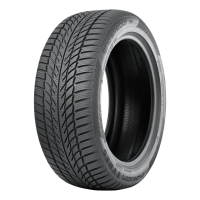 Michelin Alpin 7 vs Nokian Snowproof 3P
1-2 in 3 shared tests
Run either of these?
Your review is the part of this page no test can supply: how the tyre wore, how it aged, what it was like in the rain in year three. It takes about five minutes.
Where this data comes from
Finishing positions and measurements are transcribed from each published test. A test only counts here when both tyres ran in it, so every figure was recorded on the same car, size and day as the one it is compared to.
About the TR Score
The Tyre Reviews Score rates each tyre out of 10 from every independent test result and vetted owner review we hold, so two tyres can be compared even before a test has run them together.
Who does the testing
Every test published as a Tyre Reviews test is run by Jonathan Benson, who has been testing tyres independently since 2007.
Discussion