In their 2025 winter tyre comparison, the team from Die Reifentester evaluated seven leading winter tyres, plus an all‑season control tyre, in the popular 215/55 R17 dimension.
Conducted by test editors Dirk Vincken and Joachim Fischer, the programme put Bridgestone, Continental, Goodyear, Michelin, Nokian, Pirelli and Vredestein products through a comprehensive series of snow, wet and dry disciplines. Testing was carried out on a VW Passat Variant and a Skoda Superb Combi using Nokian’s winter proving ground in Ivalo, Finland for snow trials and the company’s “Hakka Ring” test circuit near Madrid for wet and dry tests. The aim was to identify strengths and weaknesses across braking, traction, handling, aquaplaning, rolling resistance and comfort, and to see how a modern all‑season tyre compares with specialised winter options
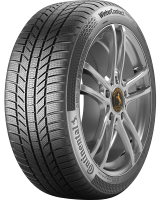
Continental’s TS 870 P won the test by racking up top scores in dry and wet disciplines. The tyre set benchmark levels in handling and braking on dry and wet roads and also impressed with its rolling resistance and ride comfort. Its snow performance is only average, so drivers looking for the absolute best winter traction may want a snow‑specialist, but overall it offers a very balanced and refined package and deservedly tops the ranking.
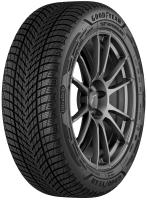
Goodyear’s Ultra Grip Performance 3 lives up to its name on snow; no other tyre in the test accelerates, handles and brakes so well on snowy surfaces. This clear focus on winter traction means it is less impressive on wet and dry roads, where it only reaches the second tier. It is therefore the ideal choice for drivers who frequently encounter deep snow; this focus still earned it a strong second place overall.
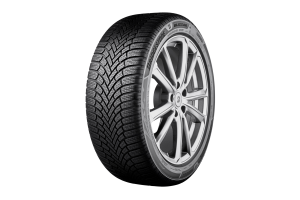
The Blizzak 6 shines in dry handling and wet braking. It is also very strong in longitudinal aquaplaning, but wet handling and rolling resistance are not its forte. Bridgestone’s tyre therefore isn’t the most balanced participant, yet it combines decent snow capability with strong wet/dry performance and earns a solid “good” overall rating as a dependable all‑rounder.
Vredestein is steadily improving and the Wintrac Pro+ is a good example. It matches Bridgestone and Continental in the demanding dry‑handling test and delivers convincing performances across all criteria. While it doesn’t dominate any individual discipline, its consistently good results secured fourth place and a very solid “good” overall.
Pirelli’s Winter 2 behaves very similarly to Nokian’s Snowproof 2. It offers no world‑class performances in wet or dry conditions but scores well in the snow disciplines of handling, braking and traction. Overall it sits between the extremes of snow specialist and wet/dry expert, earning a good rating.
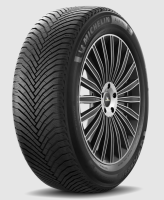
The Alpin 7 performs adequately in snow, slush and ice but lacks outright excellence. Its handling and braking on wet and dry roads were uninspiring. However, it excels in the “soft” disciplines: rolling resistance, interior noise and ride comfort are all first‑class. This makes the Michelin appealing to drivers who prioritise efficiency and comfort over maximum grip.
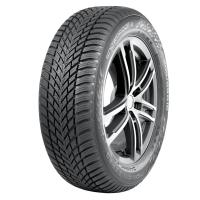
Nokian’s Snowproof 2 faces stiff competition but still earns good results for snow braking and traction. It is the undisputed aquaplaning champion, topping both longitudinal and lateral tests. Its weakness is in the “summer” disciplines; wet and dry handling and dry braking lag behind Continental. It still receives a good overall score, making it a solid winter choice.





Discussion