

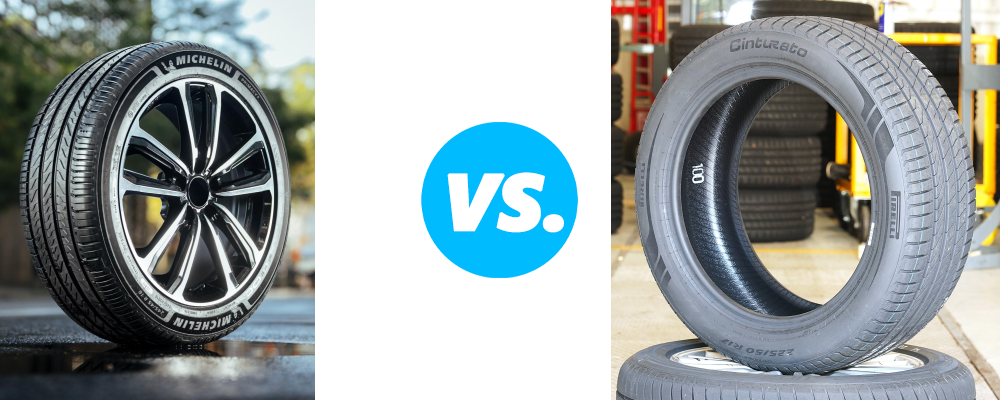
Michelin vs Pirelli
374 shared professional tests: Michelin finished ahead in 225, Pirelli in 142 and 7 were drawn. Owners rate Michelin 8.1 and Pirelli 7.2 out of 10 across 6,465 reviews.
The quick answer
 Michelin
Premium · 171 tyres on sale · Michelin Group
 Pirelli
Premium · 148 tyres on sale · Pirelli Group
Michelin leads in more of the categories we measure. Built from every professional test both brands entered and every vetted owner review we hold for their tyres - the evidence is all further down the page. Data updated October 30, 2026.

Michelin vs Pirelli at a glance
Michelin and Pirelli are both premium brands, but they tend to prioritise different things - Michelin traditionally leans towards broad, dependable performance with strong efficiency and longevity, while Pirelli leans towards sharper, sportier road manners.
In the numbers here, Michelin is the more consistent head-to-head performer in like-for-like professional tests and it also looks stronger on ownership signals like wear and buy-again, while Pirelli keeps a meaningful foothold where steering feel and handling balance are being judged.
| Category | Michelin | Pirelli | Winner |
|---|---|---|---|
| Overall test record | 225 wins | 142 wins | Michelin |
| Wet Braking | 39.38 m | 39.71 m | Michelin |
| Dry Braking | 37.94 m | 38.1 m | Pirelli |
| Snow Braking | 22.59 m | 23.55 m | Michelin |
| Rolling Resistance | 7.73 kg/t | 8.17 kg/t | Michelin |
| Noise | 70.72 dB | 70.93 dB | Michelin |
| Tread life (wear tests) | 50,158 km | 38,968 km | Michelin |
| Price | cheaper in 12 of 117 tests | cheaper in 103 of 117 tests | Pirelli |
| Overall owner score | 8.1 / 10 | 7.2 / 10 | Michelin |
Head-to-head test record
Across 374 professional tests where both brands fielded a tyre, Michelin finished ahead in 225 and Pirelli in 142 (7 drew).
By season
| Category | shared tests | Michelin | Pirelli | draws |
|---|---|---|---|---|
| Summer | 181 | 95 | 82 | 4 |
| Winter | 132 | 90 | 39 | 3 |
| All Season | 56 | 37 | 19 | 0 |
| All Weather | 4 | 3 | 1 | 0 |
The cleanest comparison is the shared-test record - tests where both brands appeared and each is represented by its best-placed tyre. Across 360 shared tests Michelin wins 219 to Pirelli's 135, with 6 draws, and Michelin's average finish percentile is higher (73.4 vs 63.2). That points to Michelin placing nearer the top of group tests more often, rather than winning occasionally but fading elsewhere. The more recent snapshot tells a similar story: in the last 5 years Michelin leads 69-50 with 5 draws across 124 shared tests, so the advantage is not just historical.
How we count: only tests entered by both brands are used, and each brand is represented by its best-placed tyre in that test. Owner-review and label figures cover the brands' full current ranges.
Performance by metric
Averaged across shared tests, which brand leads each measured discipline and by how much.
Michelin won 104 of 202 tests · 5.1% typical margin
Pirelli won 95 of 193 tests · 3.2% typical margin
Michelin won 86 of 155 tests · 3.8% typical margin
Michelin won 104 of 138 tests · 7.4% typical margin
Michelin won 61 of 121 tests · 1.4% typical margin
Michelin won 86 of 105 tests · 4.4% typical margin
Michelin won 44 of 86 tests · 8.6% typical margin
Michelin won 50 of 81 tests · 0.9% typical margin
Pirelli won 54 of 81 tests · 2.2% typical margin
Pirelli won 42 of 81 tests · 2% typical margin
Pirelli won 40 of 62 tests · 1% typical margin
Michelin won 27 of 61 tests
Pirelli won 33 of 61 tests · 4.4% typical margin
Michelin won 46 of 61 tests · 2.8% typical margin
Pirelli won 28 of 53 tests · 2.8% typical margin
Michelin won 26 of 50 tests · 3.7% typical margin
Michelin won 28 of 42 tests · 5.9% typical margin
Michelin won 23 of 38 tests · 1.3% typical margin
Michelin won 15 of 27 tests · 8.8% typical margin
Michelin won 22 of 26 tests · 3.1% typical margin
Michelin won 21 of 25 tests · 1% typical margin
Michelin won 13 of 25 tests · 1.3% typical margin
Michelin won 17 of 25 tests · 1.7% typical margin
Pirelli won 16 of 22 tests · 2.5% typical margin
Michelin won 51 of 89 tests · 5.8% typical margin
Pirelli won 45 of 88 tests · 3% typical margin
Michelin won 46 of 66 tests · 3.7% typical margin
Michelin won 46 of 59 tests · 8.7% typical margin
Pirelli won 24 of 50 tests · 1.7% typical margin
Pirelli won 27 of 41 tests · 2.1% typical margin
Pirelli won 22 of 35 tests · 1% typical margin
Pirelli won 18 of 35 tests · 2.5% typical margin
Michelin won 18 of 34 tests · 0.7% typical margin
Michelin won 19 of 32 tests · 7.9% typical margin
Michelin won 14 of 30 tests
Pirelli won 12 of 27 tests
Michelin won 26 of 48 tests · 3.8% typical margin
Pirelli won 26 of 48 tests · 4.7% typical margin
Michelin won 36 of 40 tests · 6.3% typical margin
Pirelli won 23 of 37 tests · 4% typical margin
Michelin won 29 of 35 tests · 7.2% typical margin
Michelin won 15 of 31 tests · 1% typical margin
Pirelli won 16 of 25 tests · 9.1% typical margin
Michelin won 11 of 22 tests · 1% typical margin
Michelin won 17 of 22 tests · 5.5% typical margin
Pirelli won 14 of 21 tests · 2% typical margin
Michelin won 19 of 21 tests · 2.7% typical margin
Pirelli won 15 of 19 tests · 1.8% typical margin
By measured metrics, Michelin leads most of the safety and efficiency fundamentals: wet braking (39.16 m vs 39.63 m, 102-86 on wins), dry braking (37.8 m vs 37.99 m, 89-87), straight aquaplaning (80.09 km/h vs 79.77 km/h, 82-57), rolling resistance (7.73 vs 8.19 kg/t, 96-27), and winter-critical snow braking (22.61 m vs 23.76 m, 76-15). Michelin also dominates wear in testing (50,426.76 km vs 38,317.27 km, winning 36 of 37). Pirelli's main performance counterweight is handling feel and balance: it leads wet handling (both on time, 75.23 vs 76.05 s with a 50-25 win split, and on speed, 75.96 vs 75.82 km/h), dry handling on time (74.69 vs 74.89 s, 38-18), plus subjective dry handling (27.85 vs 26.75 points) and subjective wet handling (34.54 vs 34.01 points). Noise is marginal either way depending on how it is measured, with Michelin slightly ahead in the larger dB sample (70.66 vs 70.89 dB across 113 tests) while Pirelli leads subjective noise (24.48 vs 24.14 points).
Typical margin is the average gap between the two brands within a single test. Test conditions vary, so it can be larger than the difference between the overall averages shown. Judged scores use a different scale in each test, so only the win record is comparable.
Which brand wins each season
Head-to-head test wins by season.
Michelin leads 90 to 39 here
- Michelin strongest at
- Wear
- Pirelli strongest at
- Subj. Dry Handling
Michelin leads 95 to 82 here
- Michelin strongest at
- Wear
- Pirelli strongest at
- Subj. Wet Handling
Michelin leads 37 to 19 here
- Michelin strongest at
- Wear
- Pirelli strongest at
- Subj. Wet Handling
Season-by-season, Michelin's advantage is strongest in winter-type testing: across 125 shared winter tests Michelin leads 88-35 with 2 draws, and within winter metrics it particularly controls snow braking (40-11) and snow traction (19-4), while also leading winter rolling resistance (24-11) and noise (21-10). Summer is closer: across 179 shared summer tests Michelin leads 93-82 with 4 draws - and the pattern matches expectations, with Michelin leading summer wet braking (50-38), straight aquaplaning (46-16) and rolling resistance (46-10), while Pirelli leads summer dry braking (45-39) and has the edge in wet handling (18-17) and dry handling (22-11). In all-season testing Michelin stretches away again, leading 36-16 across 52 shared tests, driven by snow braking (33-4) and rolling resistance (25-6), while Pirelli's all-season wins come more from water-handling metrics like straight aquaplaning (20-11) and curved aquaplaning (14-7).
What owners say
Owner reviews, vetted by hand before publication and weighted by how many reviews each tyre has. Ownership is not verified.
Owners also tilt this match-up towards Michelin. From 3,961 reviews Michelin averages 8.05 out of 10 overall versus Pirelli's 7.17 from 2,351 reviews. The biggest ownership signals are wear and loyalty: Michelin's wear subscore is 7.97 vs 6.95 and its buy-again is 7.7 vs 6.28. Michelin is also rated higher for wet grip (8.18 vs 7.13) and comfort (8.13 vs 7.12). Pirelli remains well-regarded for dry grip (8.24), but Michelin still leads even there at 8.72, suggesting Michelin's advantage is not just longevity - it is also day-to-day confidence.
Price & value
How long each brand lasts, and how they compare on price.
Tread life (wear tests)
Michelin lasted longer in wear testing, winning 41 of 43 tests by an average of 33.2%.
Price
Pirelli was the cheaper of the two in 103 of 117 shared tests.
On average Michelin cost about 12.6% more than Pirelli.
Value here is a classic 'price vs life' trade. Michelin costs more in the shared-test pricing sample: across 107 tests Michelin is on average 12.9% pricier than Pirelli, and Pirelli is cheaper in 93 of those tests (Michelin cheaper in 12). However, Michelin's lab-style wear results show materially longer life (50,426.76 km vs 38,317.27 km, a 35.2% average gap, winning 36 of 37 wear tests). That kind of tread-life advantage can more than offset a higher purchase price for high-mileage drivers, and it matches owner feedback where Michelin also scores higher for wear (7.97 vs 6.95) and buy-again (7.7 vs 6.28).
Fuel economy & EU labels
Current range
How broad each brand's current line-up is.
Michelin
| Passenger Car | SUV / 4x4 | Motorcycle | Van | |
|---|---|---|---|---|
| Summer | 47 | 9 | 39 | 2 |
| All Season | 23 | 15 | 9 | 2 |
| Winter | 17 | 6 | 1 | - |
| All Weather | 1 | - | - | - |
Pirelli
| Passenger Car | SUV / 4x4 | Motorcycle | Van | |
|---|---|---|---|---|
| Summer | 49 | 8 | 20 | 3 |
| All Season | 17 | 16 | - | 2 |
| Winter | 24 | 5 | - | 1 |
| All Weather | 1 | 1 | - | - |
Range breadth differs depending on how you define it. Michelin lists more active tyre lines (169 vs 147), including more summer (96 vs 80) and all-season models (48 vs 35), which increases the chance of finding a Michelin that fits a particular brief. Pirelli, however, covers far more fitments overall (5,045 sizes vs Michelin's 3,012), which can matter if you drive something with unusual sizing or want an OE-style match. Both brands show the same counts for EV-tyres (3 each) and all-terrain tyres (6 each), while Pirelli has a little more winter line-up depth (30 vs 24) and Michelin has slightly more all-season depth.
Recommended picks per category
The top-rated current tyres from each brand, by season.
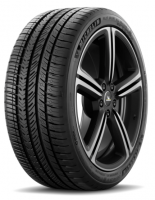
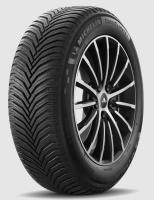
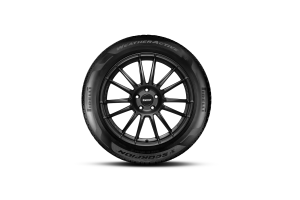
Summer

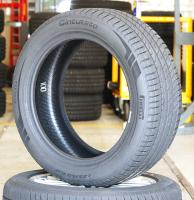
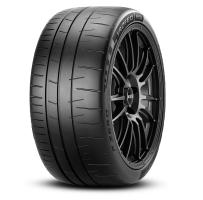
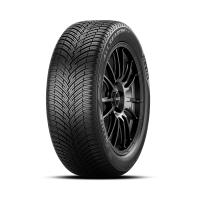
All Season
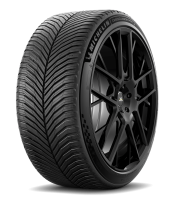
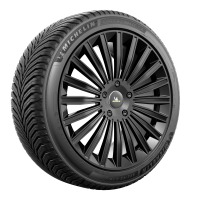
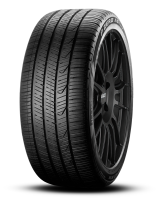

Winter
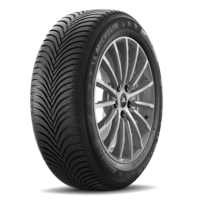
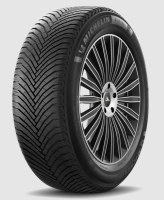
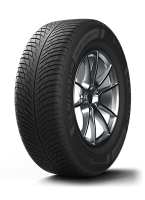
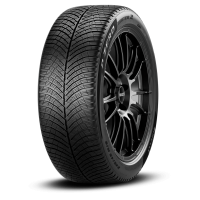

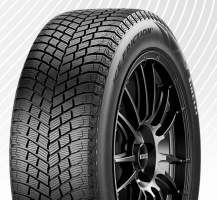
All Weather
Popular Michelin vs Pirelli tyre matchups
Head-to-head comparisons between specific tyres from these brands.
 Michelin CrossClimate 2 vs Pirelli Cinturato All Season SF3
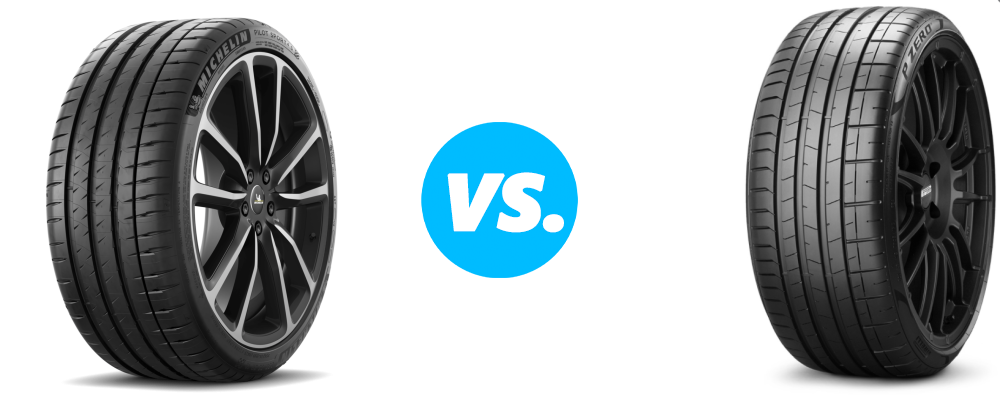 Michelin Pilot Sport 4 S vs Pirelli P Zero PZ4
 Michelin CrossClimate 3 vs Pirelli Cinturato All Season SF3
 Michelin Pilot Sport 5 vs Pirelli P Zero PZ4
 Michelin Pilot Sport 4 SUV vs Pirelli Scorpion
 Michelin Primacy 5 vs Pirelli Cinturato C3
Frequently asked questions
Is Michelin better than Pirelli?
Across 374 shared professional tests, Michelin finished ahead of Pirelli in 225 (7 drew), and holds a higher owner-review score of 8.1 vs 7.2 out of 10. Pirelli leads on value.
Which is better in the wet, Michelin or Pirelli?
In Wet Braking, Michelin averaged 39.38 m versus 39.71 m, winning 104 of 202 shared tests. In Wet Handling, Pirelli averaged 76.17 s versus 77.06 s, winning 54 of 81 shared tests.
Which lasts longer, Michelin or Pirelli?
In independent tyre wear testing across 43 shared tests, Michelin lasted longer, averaging 50,158 km versus 38,968 km (about 33.2% further) and winning 41 of them. Owner-rated tread life agrees, at 8 vs 7 out of 10.
Which is cheaper, Michelin or Pirelli?
Pirelli is usually the cheaper choice, coming in lower in 103 of 117 shared tests, on average about 12.6% less than Michelin.
Which is better in winter, Michelin or Pirelli?
Across 132 shared winter tests, Michelin finished ahead in 90. 43% of its current range is 3PMSF winter-certified, versus 34% for Pirelli. In Snow Braking, Michelin averaged 22.59 m versus 23.55 m, winning 86 of 105 shared tests.
Which brand is more fuel efficient, Michelin or Pirelli?
Fuel economy and EV range come down to rolling resistance. In Rolling Resistance, Michelin averaged 7.73 kg/t versus 8.17 kg/t, winning 104 of 138 shared tests. 38% of Michelin's current range earns an A or B EU fuel-efficiency grade, versus 36% for Pirelli.
Which is better for electric cars, Michelin or Pirelli?
For an EV the priorities are low rolling resistance for range and low noise for a quiet cabin. In rolling-resistance testing, which directly drives EV range, Michelin led 104 of 138 shared tests.
Which brand is quieter and more comfortable, Michelin or Pirelli?
Owners rate Michelin higher for comfort, at 8.1 vs 7.1 out of 10. In Noise, Michelin averaged 70.72 dB versus 70.93 dB, winning 61 of 121 shared tests.
Would owners buy Michelin or Pirelli again?
Michelin owners are more likely to buy the same brand again, scoring 7.7 vs 6.3 out of 10 on would-buy-again across 6,465 combined reviews.
Final verdict
Category verdicts: Michelin leads on the strongest head-to-head evidence (shared tests), on braking and aquaplaning stability in the aggregated metrics, on rolling resistance, and very clearly on wear. Pirelli's wins cluster around handling and subjective driver appeal, and it is more frequently the cheaper option in comparable tests.
Overall lean: Michelin leads in more areas and looks like the safer pick for high-mileage drivers, mixed weather users, and anyone prioritising longevity, efficiency and consistently high test placements. Pirelli makes most sense if you value sharper handling character and want a premium brand that is often priced below Michelin - especially if your car needs a less common size where Pirelli's larger fitment catalogue helps.