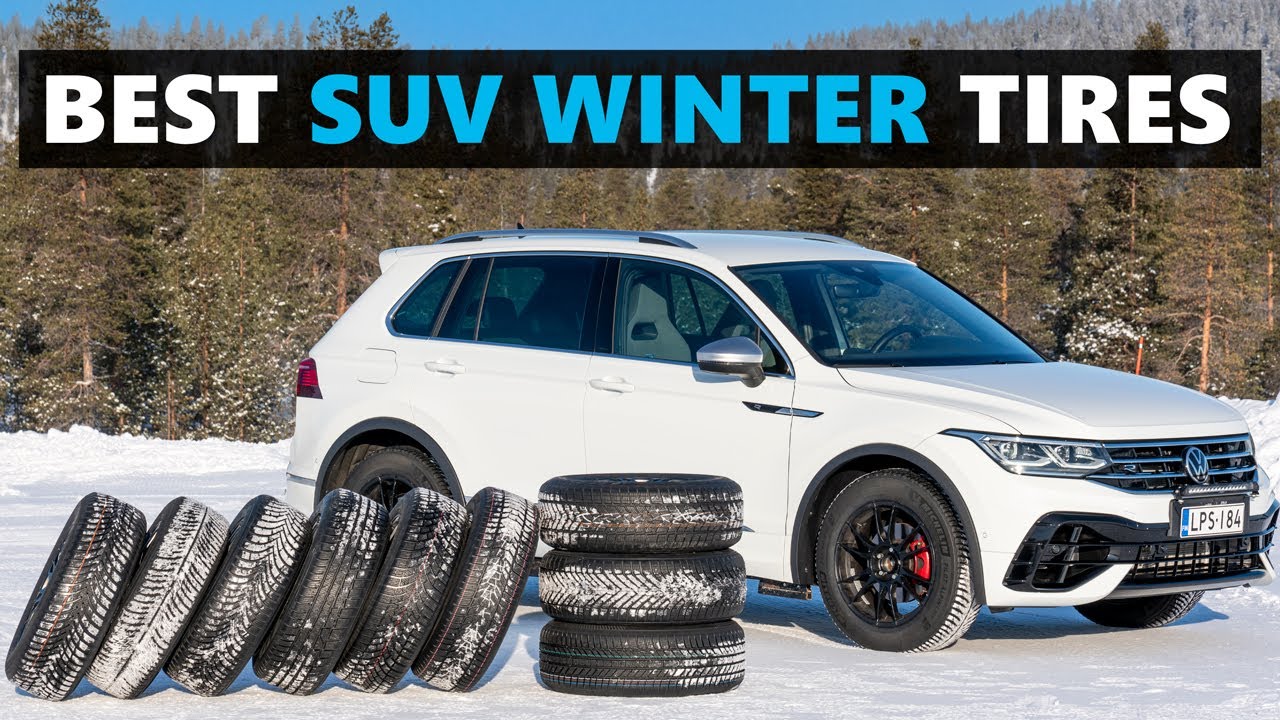
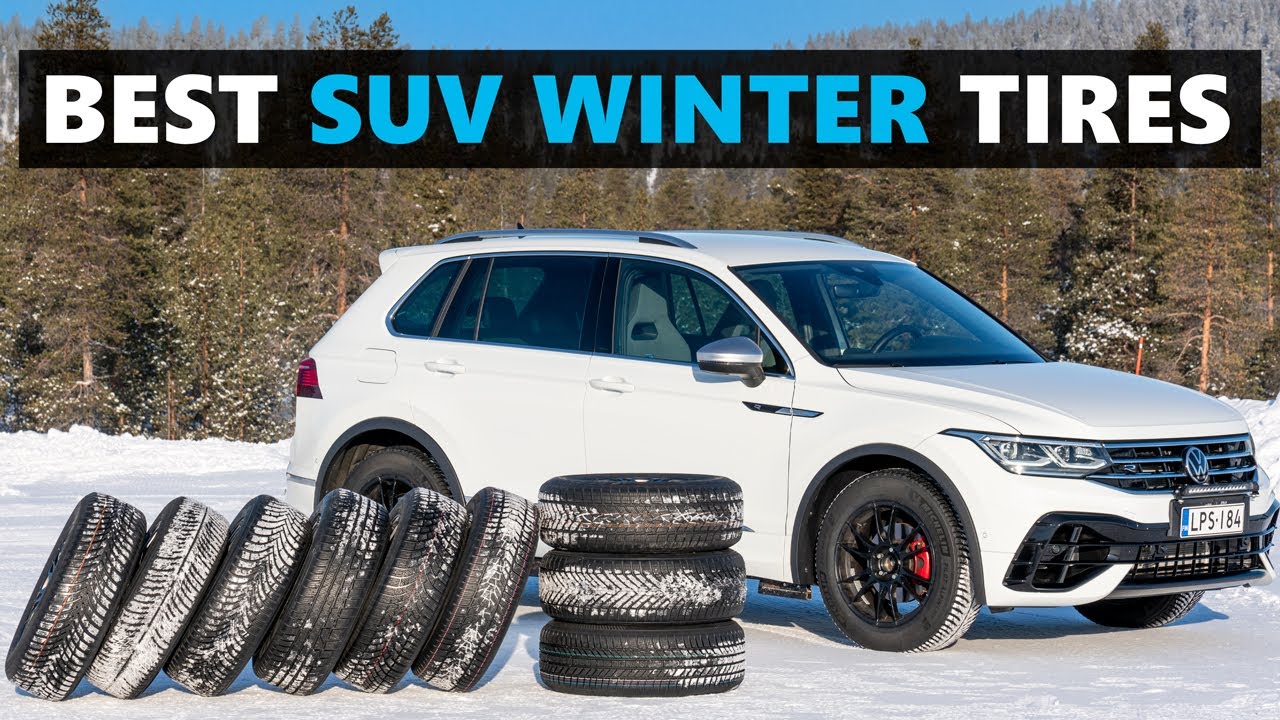
For the second winter test of 2023, Tyre Reviews as looked at nine of the best SUV performance winter tyres in the popular 235/60 R18 size. As always, all the tyres have been testing in the dry, wet and snow, and had the noise, comfort and rolling resistance analysed.
Will an heavier AWD vehicle have any impact on the overall results? Read on or watch the video below to find out!
Testing Methodology
Test Driver
Jonathan Benson
Tyre Size
235/60 R18
Test Location
Professional Proving Ground
Test Year
2023
Tyres Tested
9
Show full testing methodologyHide methodology
Every tyre is tested using calibrated instrumented measurement and structured subjective assessment. Reference tyres are retested throughout each session to correct for changing conditions, ensuring fair, repeatable comparisons. Multiple reference sets are used where needed so that control tyre wear does not affect accuracy.
We use professional-grade testing equipment including GPS data loggers, accelerometers, and calibrated microphones. All tyres are broken in and conditioned before testing begins. For full details on our equipment, preparation process, and calibration procedures, see our complete testing methodology.
Categories Tested
Dry Braking
For dry braking, I drive the test vehicle at an entry speed of 110 km/h and apply full braking effort to a standstill with ABS active on clean, dry asphalt. I typically use an 100–5 km/h measurement window. My standard programme is five runs per tyre set where possible, although the sequence can extend to as many as fifteen runs if conditions and tyre category justify it. I analyse the full set of runs and discard statistical outliers before averaging. Reference tyres are run repeatedly throughout the session to correct for changing conditions.
Dry Handling
For dry handling, I drive at the limit of adhesion around a dedicated handling circuit with ESC disabled where possible so I can assess the tyre's natural balance, transient response, and limit behaviour without electronic intervention masking the result. I usually complete between two and five timed laps per tyre set, depending on the circuit, tyre type, and consistency of conditions. I exclude laps affected by clear driver error or obvious environmental inconsistency. Control runs are carried out frequently throughout the session, and I often use multiple sets of control tyres so that wear on the references does not become a meaningful variable. For more track-focused products, I also do endurance testing, which is a set number of laps at race pace to determine tire wear patterns and heat resistance over longer driving.
Subj. Dry Handling
Objective data is only part of the picture, so I also carry out a structured subjective handling assessment at the limit of adhesion on a dedicated dry handling circuit. I score steering precision, steering response, turn-in behaviour, mid-corner balance, corner-exit traction, breakaway characteristics, and overall confidence using a standardised 1–10 scale used consistently across my testing. The final assessment combines numeric scoring with written technical commentary. I complete familiarisation laps on the control tyre before evaluating each candidate.
Wet Braking
For wet braking, I drive the test vehicle at an entry speed of 88 km/h and apply full braking effort to a standstill with ABS active on an asphalt surface with a controlled water film. I typically use an 80–5 km/h measurement window to isolate tyre performance from variability in the initial brake application. My standard programme is eight runs per tyre set where possible, although the sequence can extend to as many as fifteen runs if conditions and tyre category justify it. I analyse the full set of runs and discard statistical outliers before averaging. To correct for changing conditions, I run reference tyres repeatedly throughout the session — in wet testing, typically every three candidate test sets.
Wet Handling
For wet handling, I drive at the limit of adhesion around a dedicated handling circuit. I generally use specialist wet circuits with kerb-watering systems designed to maintain a consistent surface condition. ESC is disabled where possible so I can assess the tyre's natural balance, transient response, and limit behaviour without electronic intervention masking the result. I usually complete between two and five timed laps per tyre set, depending on the circuit, tyre type, and consistency of conditions. I exclude laps affected by clear driver error or obvious environmental inconsistency. Control runs are carried out frequently throughout the session, and I often use multiple sets of control tyres so that wear on the references does not become a meaningful variable.
Subj. Wet Handling
Objective data is only part of the picture, so I also carry out a structured subjective handling assessment at the limit of adhesion on a dedicated wet handling circuit. I score steering precision, steering response, turn-in behaviour, mid-corner balance, aquaplaning resistance, breakaway characteristics, and overall confidence using a standardised 1–10 scale used consistently across my testing. The final assessment combines numeric scoring with written technical commentary. I complete familiarisation laps on the control tyre before evaluating each candidate.
Straight Aqua
To measure straight-line aquaplaning resistance, I drive one side of the vehicle through a water trough of controlled depth, typically around 7 mm, while the opposite side remains on dry pavement. I enter at a fixed speed and then accelerate progressively. I define aquaplaning onset as the point at which the wheel travelling through the water exceeds a specified slip threshold relative to the dry-side reference wheel. I usually perform four runs per tyre set and average the valid results.
Curved Aquaplaning
For curved aquaplaning, I use a circular track, typically around 100 metres in diameter, with a flooded arc of controlled water depth, usually about 7 mm. The vehicle is instrumented with GPS telemetry and a tri-axial accelerometer. I drive through the flooded section at progressively increasing speed, typically in 5 km/h increments, and record the minimum sustained lateral acceleration at each step. The test continues until lateral acceleration collapses, indicating complete aquaplaning. The result is expressed as remaining lateral acceleration in m/s² as speed rises.
Snow Braking
For snow braking, I drive the test vehicle at an entry speed of 50 km/h and apply full braking effort to a standstill with ABS active on a groomed, compacted snow surface, measuring 45-5 km/h. I generally use a wide VDA (vehicle dynamic area) and progressively move across the surface between runs so that no tyre ever brakes on the same piece of snow twice. My standard programme is twelve runs per tyre set, although the sequence can extend further if the data justify it. I analyse the full set of runs and discard statistical outliers before averaging. The surface is regularly groomed throughout the session. To correct for changing snow surface conditions, I run reference tyres repeatedly — typically every two candidate test sets.
Snow Traction
For snow traction, I accelerate the vehicle from rest on a groomed snow surface with traction control active and measure speed and time using GPS telemetry. I typically use a 5–35 km/h measurement window to reduce the influence of launch transients and powertrain irregularities. I use a wide VDA (vehicle dynamic area) and progressively move across the surface between runs so that no tyre ever accelerates on the same piece of snow twice. The surface is regularly groomed throughout the session. I complete multiple runs per tyre set and average the valid results. Reference tyres are run typically every two candidate test sets to correct for changing snow surface conditions.
Snow Handling
For snow handling, I drive at the limit of adhesion around a dedicated snow handling circuit with ESC disabled where possible. The circuit is groomed and prepared after every run while tyres are being changed, so each set runs on a consistently prepared surface. I usually complete between two and five timed laps per tyre set, excluding laps affected by clear driver error or obvious environmental inconsistency. Because snow surfaces degrade more rapidly than asphalt, control runs are carried out more frequently — typically every two candidate test sets.
Subj. Snow Handling
Objective data is only part of the picture, so I also carry out a structured subjective handling assessment at the limit of adhesion on a dedicated snow handling circuit. The circuit is groomed and prepared after every run while tyres are being changed, so each set runs on a consistently prepared surface. I score steering precision, turn-in behaviour, mid-corner balance, corner-exit traction, breakaway characteristics, and overall confidence on snow using a standardised 1–10 scale used consistently across my testing. The final assessment combines numeric scoring with written technical commentary. I complete familiarisation laps on the control tyre before evaluating each candidate.
Subj. Comfort
To assess comfort, I drive on a wide range of road surfaces (often dedicated comfort tracks at test facilities) at speeds from 50 to 120 km/h, including smooth motorway, coarse surfaces, expansion joints, broken pavement, and sharp-edged obstacles. I evaluate primary ride quality, secondary ride quality, impact harshness, seat-transmitted vibration, and the tyre's ability to absorb sharp inputs. Ratings are assigned on a 1–10 scale relative to the reference tyre.
Subj. Noise
For subjective noise assessment, I drive at constant speeds across multiple surface types with the windows closed, ventilation off, and audio system off. I assess overall noise level, tonal quality, cavity boom, pattern noise, broadband roar, and sensitivity to both speed and road texture. Each tyre is rated on a 1–10 scale and supported by written observations on noise character and annoyance.
Noise
I measure external pass-by noise in accordance with UNECE Regulation 117 and ISO 13325 using the coast-by method on a compliant test surface. Calibrated microphones are positioned beside the test lane, and the vehicle coasts through the measurement zone under controlled conditions. I record the maximum A-weighted sound pressure level in dB(A), complete multiple runs over the relevant speed range, and normalise the result to the reference speed required by the procedure.
Rolling Resistance
Rolling resistance is measured under controlled laboratory conditions in accordance with ISO 28580 and UNECE Regulation 117 Annex 6. The tyre is mounted on a test wheel and loaded against a large-diameter steel drum. After thermal stabilisation at the prescribed test speed, rolling resistance force is measured at the spindle and corrected according to the relevant procedure. The result is expressed as rolling resistance coefficient, typically in kg/tonne.
How each category is weighted in the overall score:
Dry20%
Dry Braking60%
Dry Handling35%
Subj. Dry Handling5%
Wet40%
Wet Braking50%
Wet Handling30%
Subj. Wet Handling5%
Straight Aqua10%
Curved Aquaplaning5%
Snow30%
Snow Braking45%
Snow Traction20%
Snow Handling30%
Subj. Snow Handling5%
Comfort5%
Subj. Comfort50%
Subj. Noise25%
Noise25%
Value5%
Rolling Resistance100%
Snow
The worst tyre in snow handling also happened to be the cheapest. It felt more like an all season tyre, and a bad one at that, provinging very low grip.
Next up was the Maxxis, 8.4% off the best, so you can see already much more grip than the budget, but sadly much less grip than the best in the test. This tyre also had high levels of understeer and limited communication around the limit meaning you were constantly worried about if you were near the limit of grip.
Next up was the Bridgestone, it felt better under traction than the Maxxis and had less understeer, but it was still quite an understeer bias tyre.
The next group of tyres were all within a percent of each other, and that was the Nokian, Hankook and Pirelli. All three of these had better front axle bite on turn in which helped the lap time, and all of them were really well balanced and nice feeling tyres to drive. If I had to pick one of the three, the Nokian would take it subjectively, but all of their snow performances were perfectly good.
A little ahead of that group was the Goodyear and Continental. We're in the realm of very good now, and they felt a lot like the preceding group but with just and extra little bit of grip. The Goodyear did pick up a little more understeer but it had plenty of grip to back it up.
The best tyre in snow handling was also the best in the Tyre Reviews car winter test, so it seems at least in snow, a different vehicle and AWD doesn't make a difference. There's no escaping the Pilot Alpin 5 SUV is in a class of its own, and if you'd told me the tyre I was driving on was actually a soft compound winter tyre snuck into the group, I'd probably believe you, it just found grip where no other tyre could, and was thoroughly well balanced and enjoyable to drive too. One day I might be able to tell you that a Michelin winter tyre isn't the best in the snow, but today is not that day.
Snow Handling
Spread: 7.65 s (8.6%)|Avg: 92.76 s
Snow handling time in seconds (Lower is better)
Michelin Pilot Alpin 5 SUV
88.65 s
Continental WinterContact TS 870 P
90.85 s
Goodyear UltraGrip Performance Plu
91.90 s
Pirelli Scorpion Winter 2
92.05 s
Hankook Winter i cept evo 3 X
92.35 s
Nokian Snowproof 2 SUV
93.25 s
Leao Winter Defender UHP
94.60 s
Bridgestone Blizzak LM005
94.90 s
Maxxis Premitra Snow WP6 SUV
96.30 s
The Hankook Winter I*Cept Evo3 had the best snow braking, with Nokian close behind. The rest of the field were close, apart from the Leoa which finished 20% behind the group.
Snow Braking
Spread: 3.54 M (22.2%)|Avg: 16.50 M
Snow braking in meters (40 - 5 km/h) (Lower is better)
Snow Braking: Safety Impact: Best vs Worst Tyre
Snow traction brought the the Michelin Pilot Alpin 5 back to the front, with the new Pirelli Scorpion Winter 2 jumping to second place. The Leao was once again 20% behind the rest cementing it's snow performance as well below an acceptable standard.
Snow Traction
Spread: 0.98 s (27.8%)|Avg: 3.72 s
Snow acceleration time (5 - 40 km/h) (Lower is better)
Michelin Pilot Alpin 5 SUV
3.53 s
Pirelli Scorpion Winter 2
3.54 s
Bridgestone Blizzak LM005
3.56 s
Hankook Winter i cept evo 3 X
3.62 s
Goodyear UltraGrip Performance Plu
3.65 s
Nokian Snowproof 2 SUV
3.67 s
Continental WinterContact TS 870 P
3.68 s
Maxxis Premitra Snow WP6 SUV
3.76 s
Leao Winter Defender UHP
4.51 s
Wet
Wet handling saw the pack compress, no doubt helped by the AWD platform I'm testing with.
There was only one bad tyre, and it wasn't even that bad. The Leao winter defender was 4% off the best in time, and it definitely wasn't the best balanced tyre for the road as it had pretty snappy oversteer making it quite the challenge. Fun for me as a tester in track , but I wouldn't want to put my dad on it on the road.
Next up was the Maxxis, just 2% off the best, so it's already a very close group. The Maxxis was one of the most lovely tyres to drive, offering really predictable grip, good steering response and just a hint of understeer in the balance.
Nokian was next now just 1.5% off the best, and again was a lovely tyre to drive with an understeer balance.
Bridgestone and Hankook essentially tied next just 1% off the fastest lap. The Bridgestone had a frustratingly high amount of understeer compared to some of the other tyres around it and a vague feeling front axle. Understeer is safe, but this was a lot. The hankook was better in this regard, the car was more balanced, but there wasn't any extra grip.
The top four tyres were separated by just 0.4% and where Michelin, Continental, Goodyear and Pirelli was the fastest.
The Michelin had good grip, but like the Bridgestone it was one of the numbest tyres with a lot of understeer, the Continental was more fun but a little twitchy around the limit, the goodyear was one of the best subjectively and felt a lot like the Maxxis, and the Pirelli was the fastest.
The differences were very small, and all of these tyres are impressive in their own ways. Apart from maybe the Leao.
Wet Handling
Spread: 3.03 s (4.1%)|Avg: 74.00 s
Wet handling time in seconds (Lower is better)
Pirelli Scorpion Winter 2
73.11 s
Goodyear UltraGrip Performance Plu
73.33 s
Continental WinterContact TS 870 P
73.45 s
Michelin Pilot Alpin 5 SUV
73.55 s
Bridgestone Blizzak LM005
73.85 s
Hankook Winter i cept evo 3 X
73.90 s
Nokian Snowproof 2 SUV
74.13 s
Maxxis Premitra Snow WP6 SUV
74.56 s
Leao Winter Defender UHP
76.14 s
The Michelin Pilot Alpin 5 was best in wet braking, narrowly beating the excellent performing Bridgestone.
Wet Braking
Spread: 2.25 M (6.8%)|Avg: 33.84 M
Wet braking in meters (80 - 5 km/h) (Lower is better)
Wet Braking: Safety Impact: Best vs Worst Tyre
The new Nokian Snowproof 2 SUV was the best in both straight and curved aquaplaning by quite a margin! Bridgestone also performed well in second place in both of the deeper water tests.
Straight Aqua
Spread: 5.80 Km/H (6.4%)|Avg: 86.86 Km/H
Float Speed in Km/H (Higher is better)
Nokian Snowproof 2 SUV
90.70 Km/H
Bridgestone Blizzak LM005
88.70 Km/H
Maxxis Premitra Snow WP6 SUV
88.30 Km/H
Hankook Winter i cept evo 3 X
86.60 Km/H
Michelin Pilot Alpin 5 SUV
86.10 Km/H
Pirelli Scorpion Winter 2
85.80 Km/H
Goodyear UltraGrip Performance Plu
85.30 Km/H
Leao Winter Defender UHP
85.30 Km/H
Continental WinterContact TS 870 P
84.90 Km/H
Curved Aquaplaning
Spread: 0.90 m/sec2 (20.9%)|Avg: 3.76 m/sec2
Remaining lateral acceleration (Higher is better)
Nokian Snowproof 2 SUV
4.30 m/sec2
Bridgestone Blizzak LM005
4.08 m/sec2
Hankook Winter i cept evo 3 X
4.00 m/sec2
Continental WinterContact TS 870 P
3.73 m/sec2
Leao Winter Defender UHP
3.64 m/sec2
Michelin Pilot Alpin 5 SUV
3.63 m/sec2
Maxxis Premitra Snow WP6 SUV
3.60 m/sec2
Pirelli Scorpion Winter 2
3.42 m/sec2
Goodyear UltraGrip Performance Plu
3.40 m/sec2
Dry
If you want to take your SUV on a track day and insist on doing it on winter tyres, fit the Pirelli, Hankook or Maxxis!
Apart from that, there's not a huge amount else to learn from dry handling. All the tyres were stable during lane changes and they all felt similar around the limit.
Dry Handling
Spread: 1.25 s (1.9%)|Avg: 66.62 s
Dry handling time in seconds (Lower is better)
Pirelli Scorpion Winter 2
66.11 s
Hankook Winter i cept evo 3 X
66.27 s
Continental WinterContact TS 870 P
66.28 s
Maxxis Premitra Snow WP6 SUV
66.37 s
Michelin Pilot Alpin 5 SUV
66.61 s
Bridgestone Blizzak LM005
66.63 s
Nokian Snowproof 2 SUV
66.88 s
Leao Winter Defender UHP
67.11 s
Goodyear UltraGrip Performance Plu
67.36 s
Dry braking had the Laeo finally performing well, stopping the car in the shortest distance, narrowly beating the Pirelli!
Dry Braking
Spread: 2.73 M (6.6%)|Avg: 42.79 M
Dry braking in meters (100 - 5 km/h) (Lower is better)
Dry Braking: Safety Impact: Best vs Worst Tyre
Comfort
As noise and comfort for an SUV is more important than something like a sports car, I spent quite a lot of time doing subjective noise and comfort, but as always, things were very close, so I also measured external noise too.
In terms of overall subjective noise and comfort levels when driving, I thought the Michelin did a VERY good job, and Bridgestone, Continental, Goodyear, Hankook and Nokain were also good. The Pirelli was a lovely sounding tyre inside, it had a low noise low pitch sound which was kind to the ears, but was a bit firmer than the best in the test, and if you want to avoid a tyre which crashes over impacts, that award goes to the Maxxis.
Subj. Comfort
Spread: 8.00 Points (8%)|Avg: 95.22 Points
Subjective Comfort Score (Higher is better)
Michelin Pilot Alpin 5 SUV
100.00 Points
Bridgestone Blizzak LM005
98.00 Points
Nokian Snowproof 2 SUV
98.00 Points
Hankook Winter i cept evo 3 X
95.00 Points
Continental WinterContact TS 870 P
95.00 Points
Goodyear UltraGrip Performance Plu
95.00 Points
Pirelli Scorpion Winter 2
92.00 Points
Leao Winter Defender UHP
92.00 Points
Maxxis Premitra Snow WP6 SUV
92.00 Points
Noise
Spread: 5.70 dB (8.3%)|Avg: 71.22 dB
External noise in dB (Lower is better)
Michelin Pilot Alpin 5 SUV
68.90 dB
Pirelli Scorpion Winter 2
70.00 dB
Goodyear UltraGrip Performance Plu
70.50 dB
Bridgestone Blizzak LM005
70.80 dB
Maxxis Premitra Snow WP6 SUV
70.90 dB
Continental WinterContact TS 870 P
71.10 dB
Leao Winter Defender UHP
72.00 dB
Nokian Snowproof 2 SUV
72.20 dB
Hankook Winter i cept evo 3 X
74.60 dB
Value
Energy use is getting more and more important, and depending on how important it is to you it can change the overall results of the test. Continental had the largest lead in rolling resistance I've ever seen. Bridgestone was the next best, then Hankook before quite a big gap to the rest of the tyres. If you have an EV, the Continental is the one to get.
Rolling Resistance
Spread: 1.99 kg / t (30.7%)|Avg: 7.86 kg / t
Rolling resistance in kg t (Lower is better)
Continental WinterContact TS 870 P
6.49 kg / t
Bridgestone Blizzak LM005
7.25 kg / t
Hankook Winter i cept evo 3 X
7.46 kg / t
Leao Winter Defender UHP
7.77 kg / t
Michelin Pilot Alpin 5 SUV
8.19 kg / t
Nokian Snowproof 2 SUV
8.22 kg / t
Pirelli Scorpion Winter 2
8.43 kg / t
Maxxis Premitra Snow WP6 SUV
8.47 kg / t
Goodyear UltraGrip Performance Plu
8.48 kg / t
19,000 km
£1.45/L
8.0 L/100km
--
Annual Difference
--
Lifetime Savings
--
Extra Fuel/Energy
--
Extra CO2
Estimates based on typical driving conditions. Rolling resistance accounts for approximately 20% of IC vehicle fuel consumption and 25% of EV energy consumption. Actual savings vary based on driving style, vehicle weight, road conditions, and tyre age. For comparative purposes only. Lifetime savings based on a 40,000km / 25,000 mile tread life.
A very well balanced tyre, good in the dry, very good in the wet, good in the snow, lowest rolling resistance on test.
Mid pack for noise and aquaplaning resistance.
The winner of this winter SUV test was the Continental WinterContact TS 870 P. This tyre seems to have performed the impossible, by blending a HUGE lead in rolling resistance with excellent grip in the dry, wet and snow. It couldn't quite match the Michelin in snow traction or dry braking, and it was mid pack for noise, but it traded blows with the best in every other category. The amount of grip it had while having such an advantage in rolling resistance makes this tyre the best tyre in this test, and if you drive an electric vehicle or are sensitive to rising fuel costs, you shouldn't even consider any other option in this size. Remarkable work by Continental.
Very good in the dry, best wet braking on test with good wet handling, best in the snow overall, lowest noise and highest levels of comfort.
Average rolling resistance, average curved aquaplaning resistance.
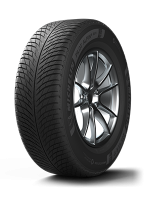
The Michelin Pilot Alpin 5 narrowly missed out on the top spot, but arguably it's the best winter tyre of the group. Let me explain how that works. The Michelin was the best in snow, one of the best in the wet and one of the best in the dry, it was also the quietest and most comfortable, so why isn't it first? It could only muster the 5th best rolling resistance score, and even with my reduction in the rolling resistance weighting, the 26% gap to first place was too much to overcome. The Michelin Pilot Alpin 5 is an incredible tyre, and once again I'm highly recommending it in this SUV size
Very good in the dry, good in the wet with good aquaplaning resistance, very good in the snow with the best snow braking, low rolling resistance.
Average comfort.
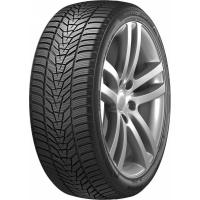
The Hankook Winter i cept evo 3 X is an extremely well balanced tyre, one of the best around the dry handling lap, great wet braking, best snow braking and just generally a nice tyre to drive. It also had the third lowest rolling resistance on test. Where did it lose out? It wasn't the most comfortable or quietest of the group, but otherwise an amazing tyre. Highly recommended
Very good in the wet, excellent aquaplaning resistance, very good in the snow, very low rolling resistance.
Average in the dry.
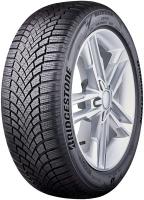
The Bridgestone matched the Hankooks overall result, but was slightly better in the wet, and slightly worse in the dry and snow, but it was more comfortable and had an even lower rolling resistance. The LM005 once again proves it's one of the best winter tyres on the market
Good in the wet with the best aquaplaning resistance, very good in the snow, comfortable.
Reduced performance in the dry, average rolling resistance.
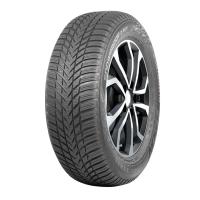
The new Nokian Snowproof 2 SUV almost matched the Pirelli overall on score, but did it in a totally different way. The Nokian was one of the best tyres in the snow, the very best in the deep water tests of aquaplaning which should be good for slush, and was very quiet and comfortable. It wasn't great in the dry, with the longest dry braking but the margins were small, and it was only midpack in wet handling and braking, but like in the dry the margins weren't huge. Recommended
Best in the dry with quickest lap and short braking, fastest wet handling, good in the snow, low noise.
Average wet braking, average aquaplaning resistance.
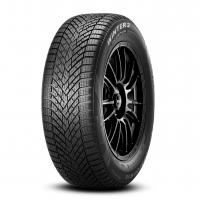
The new Pirelli Scorpion Winter 2 was the best in the dry overall, the fastest around wet handling, though it couldn't quite match that in wet braking, good in the snow, and one of the quietest tyres on test. It did struggle a little more in the deeper water of aquaplaning and like the Goodyear, didn't have a great rolling resistance, but overall a good tyre. Recommended
Very good in the wet, good in the snow, good levels of comfort.
Limited dry performance, highest rolling resistance on test.
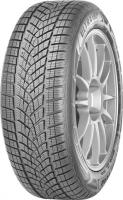
The Goodyear UltraGrip Performance Plus SUV was much better in the wet and the snow, having excellent grip in both categories, and was a comfortable tyre to drive on. As usual for this tyre it was one of the worst in the dry, but unusually for this tyre it had the highest rolling resistance of the group and struggled in the aquaplaning tests. It's still a good tyre, but as one of the older tyres of the group it's starting to show its age.
Good grip in the dry, predictable handling in the dry and wet, low noise, good aquaplaning resistance.
Limited grip in the wet and snow, high rolling resistance.
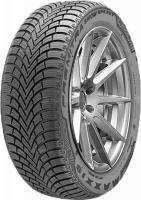
In eighth place overall was the Maxxis Premitra Snow WP6 SUV. This was a nice handling tyre, it was predictable and stable and had good grip in the dry, however sadly the grip in the wet and the snow just weren't up to scratch and it had the second to worst rolling resistance, 30% higher than the best on test.
Low grip in the dry, wet, and snow, uncomfortable.
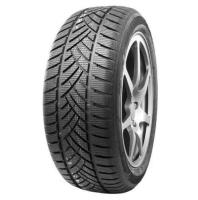
The Leao Winter Defender UHP was the best in dry braking, but it was the worst in all the wet grip tests, the worst in most of the snow tests, and was pretty noisy / uncomfortable. It did have the 4th best rolling resistance though.
Hello, One quick question: is there a big difference between Michelin Pilot Alpin 5 SUV and Michelin Alpine 7? When I put my wheel size 225 60 R18 100H to look for winter tyres (for my RAV4 PHEV 2,000kg weight) I got both options. But always I see in your reviews for winter tyres testing Michelin Pilot Alpin but never Michelin Alpine (cars or SUV). Is there a lot difference Pilot Alpine versus just Alpine? Thanks.
Pilot Alpin is the more sporty winter tyre line, the regular alpin is more comfort / touring bias. The SUV marking probably doesn't make much difference.
I bought Michelin Pilot Alpin SUV 245-50-19 ZP for my BMW iX3 because it is proved by BMW to iX3, but I think it makes a special noise which BMW says it is because it is a run-flat tyre. But I can also see that the rolling resistance is less on this run-flat compared to the Alpin 5 SUV as a non-run-flat tyre.
I think I will replace the Alpin tyre with TS870 P on iX3. How will I experience the difference in terms of noise?
Great test Jonathan! I have a question that I can't get answered properly. I have just bought a Volvo XC90 T8 and want to put it on winter tires as we often drive to Sweden. Volvo puts 275 - 45-R20 tires on 20" inc rims. I actually want 245 or 255 tires on these 9-20 rims. Not for the price, but for the idea that a narrower tire has more grip in snow. What do you have for advice for me. Thanks!
Awesome test yet again Jonathan! Question; is there a (big) difference in fitting these suv tyres, as opposed to the non SUV variant? (with a high enough load rating of course) Thanks!
It really does vary. If you can find them in the same specs (size, speed and load rating) they might actually be the same tyre, just different sidewalls, or they might be quite different!
Width of a tire matters as you cannot mount a snow chain on all tire dimensions. You have to check the owner's manual and/or homologation data to find out the limits. In my case I had to move from 275/50/20 summer to 265/55/19 winter because this was the max size that snow chains were allowed. With all 20, 21 and bigger rims this would not have worked. Also for the same car make a winter higher side wall makes more sense as you protect the rim itself in case of driving in more harsh conditions iced ruts etc.

Hello,
One quick question: is there a big difference between Michelin Pilot Alpin 5 SUV and Michelin Alpine 7? When I put my wheel size 225 60 R18 100H to look for winter tyres (for my RAV4 PHEV 2,000kg weight) I got both options. But always I see in your reviews for winter tyres testing Michelin Pilot Alpin but never Michelin Alpine (cars or SUV). Is there a lot difference Pilot Alpine versus just Alpine? Thanks.
Pilot Alpin is the more sporty winter tyre line, the regular alpin is more comfort / touring bias. The SUV marking probably doesn't make much difference.
Hi,
Why do they make the same Alpin 5 tyres for SUV and non-SUV?
What is the differens? It's as if non-SUV tyres score better. Take a look:
SUV
https://www.tyrereviews.com/Tyre/Michelin/Pilot-Alpin-5-SUV.htm
Non-SUV
https://www.tyrereviews.com/Tyre/Michelin/Pilot-Alpin-5.htm
I bought Michelin Pilot Alpin SUV 245-50-19 ZP for my BMW iX3 because it is proved by BMW to iX3, but I think it makes a special noise which BMW says it is because it is a run-flat tyre. But I can also see that the rolling resistance is less on this run-flat compared to the Alpin 5 SUV as a non-run-flat tyre.
I think I will replace the Alpin tyre with TS870 P on iX3. How will I experience the difference in terms of noise?
Generally it's for marketing reasons and the only differences are the size and the sidewall
Thanks :-)
Are there any experiences in therms of noise between TS 870 P and the run-flat-tire Alpin 5 SUV ZP?
No one tests runflat tyres so you have to go by the non runflat tests, of which we have lots of data: https://www.tyrereviews.com...
Great test Jonathan! I have a question that I can't get answered properly. I have just bought a Volvo XC90 T8 and want to put it on winter tires as we often drive to Sweden. Volvo puts 275 - 45-R20 tires on 20" inc rims. I actually want 245 or 255 tires on these 9-20 rims. Not for the price, but for the idea that a narrower tire has more grip in snow. What do you have for advice for me. Thanks!
This should help https://www.youtube.com/wat...
Awesome test yet again Jonathan! Question; is there a (big) difference in fitting these suv tyres, as opposed to the non SUV variant? (with a high enough load rating of course) Thanks!
It really does vary. If you can find them in the same specs (size, speed and load rating) they might actually be the same tyre, just different sidewalls, or they might be quite different!
Width of a tire matters as you cannot mount a snow chain on all tire dimensions. You have to check the owner's manual and/or homologation data to find out the limits. In my case I had to move from 275/50/20 summer to 265/55/19 winter because this was the max size that snow chains were allowed. With all 20, 21 and bigger rims this would not have worked. Also for the same car make a winter higher side wall makes more sense as you protect the rim itself in case of driving in more harsh conditions iced ruts etc.