The Finnish publication Tekniikan Maailma has published its 2025 winter tyre test, evaluating a total of fourteen tyres, tested in conjunction with UTAC. The test was split into two categories, with seven studded winter tyres and seven Nordic non-studded (friction) winter tyres being compared. All tyres were tested in the popular 205/55 R16 size, using a Volkswagen Golf as the test vehicle. The tests covered a wide range of conditions, including performance on ice, snow, wet asphalt, and dry asphalt, as well as subjective handling characteristics and economy.
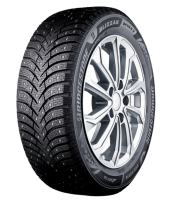
The test revealed some notable variations in performance. Certain tyres, like the Continental VikingContact 8 and Goodyear UltraGrip Ice 3, were highlighted for their consistently strong and balanced performance across all tested surfaces. Conversely, several tyres demonstrated a clear trade-off between ice grip and asphalt handling. The Bridgestone Blizzak Spike 3, for example, delivered the best grip on ice but was found to have imprecise handling and weaker performance on asphalt. A similar inconsistency was noted in the Michelin X-Ice North 4, which provided excellent grip on ice and snow but was compromised by poor grip and sluggish handling on asphalt. The Pirelli Ice Zero 2 steered precisely but was difficult to control on ice due to oversteer, while the Falken Winterpeak F-Snow 1 was strong on ice but felt restless on snow.
Studded Tyres VS Friction Tyres
A significant finding from the comparison was the continued closing of the performance gap between premium studded and non-studded tyres. The testers observed that the difference in overall rating between the best of each category has become negligible, with the top two non-studded tyres scoring well enough to tie for second place had they been included in the studded group. The data suggests that for many drivers, a high-quality non-studded tyre is a viable choice for winter. However, the test still affirmed the superiority of studded tyres in the most treacherous conditions, such as on ice near 0°C. Under these circumstances, the studs provide a greater safety margin and more consistent grip as temperatures fluctuate, whereas the performance of non-studded tyres can change more dramatically. The testers concluded that while a modern car in less severe winter conditions can be well served by premium non-studded tyres, studded tyres remain a justified choice where maximizing safety is the primary concern, especially for older vehicles or less experienced drivers.
Below is the illustration provided by the magazine which shows studded vs friction tyres on ice at different temperatures.
Dry
On dry asphalt, where winter tyres can often feel less precise than their summer counterparts, a clear performance gap emerged, with some tyres providing surprisingly sharp braking while others, notably the Michelin and Radar patterns, struggled to match the group average.
Dry Braking
Spread: 2.60 M (8.4%)|Avg: 31.84 M
Dry braking in meters (Lower is better)
Nokian Hakkapeliitta R5
30.80 M
Falken Winterpeak F Snow 1
30.80 M
Hankook Winter i cept IZ3
31.30 M
Continental VikingContact 8
31.40 M
Continental IceContact 3
31.50 M
Goodyear UltraGrip Ice 3
31.50 M
Pirelli Ice Zero 2
31.60 M
Goodyear UltraGrip Arctic 2
31.90 M
Michelin X Ice North 4
32.10 M
Michelin X Ice Snow
32.20 M
Kumho WinterCraft Ice
32.20 M
Nokian Hakkapeliitta 10
32.40 M
Radar Dimax Ice
32.60 M
Bridgestone Blizzak Spike 3
33.40 M
Subj. Dry Handling
Spread: 3.00 Points (33.3%)|Avg: 7.79 Points
Subjective Dry Handling Score (Higher is better)
Nokian Hakkapeliitta R5
9.00 Points
Continental VikingContact 8
9.00 Points
Michelin X Ice North 4
8.00 Points
Pirelli Ice Zero 2
8.00 Points
Continental IceContact 3
8.00 Points
Nokian Hakkapeliitta 10
8.00 Points
Goodyear UltraGrip Arctic 2
8.00 Points
Bridgestone Blizzak Spike 3
8.00 Points
Goodyear UltraGrip Ice 3
8.00 Points
Hankook Winter i cept IZ3
8.00 Points
Michelin X Ice Snow
7.00 Points
Kumho WinterCraft Ice
7.00 Points
Falken Winterpeak F Snow 1
7.00 Points
Radar Dimax Ice
6.00 Points
Wet
Transitioning to wet conditions, the results shifted, highlighting the Goodyear UltraGrip Ice 3 as the strongest overall performer in the non-studded category. Continuing its poor showing on asphalt, the Michelin X-Ice Snow recorded the longest braking distances, falling a significant margin behind the leaders.
Wet Braking
Spread: 6.80 M (19.8%)|Avg: 37.76 M
Wet braking in meters (80 - 0 km/h) (Lower is better)
Pirelli Ice Zero 2
34.30 M
Continental IceContact 3
35.50 M
Goodyear UltraGrip Arctic 2
36.00 M
Bridgestone Blizzak Spike 3
36.30 M
Nokian Hakkapeliitta 10
37.30 M
Falken Winterpeak F Snow 1
37.50 M
Hankook Winter i cept IZ3
37.50 M
Goodyear UltraGrip Ice 3
37.70 M
Michelin X Ice North 4
37.80 M
Nokian Hakkapeliitta R5
37.90 M
Radar Dimax Ice
39.40 M
Continental VikingContact 8
39.50 M
Kumho WinterCraft Ice
40.80 M
Michelin X Ice Snow
41.10 M
Wet Handling
Spread: 2.20 s (5.5%)|Avg: 40.99 s
Wet handling time in seconds (Lower is better)
Goodyear UltraGrip Ice 3
39.90 s
Hankook Winter i cept IZ3
40.00 s
Continental IceContact 3
40.10 s
Continental VikingContact 8
40.30 s
Goodyear UltraGrip Arctic 2
40.60 s
Nokian Hakkapeliitta R5
40.60 s
Pirelli Ice Zero 2
41.00 s
Michelin X Ice North 4
41.30 s
Falken Winterpeak F Snow 1
41.40 s
Nokian Hakkapeliitta 10
41.50 s
Bridgestone Blizzak Spike 3
41.50 s
Michelin X Ice Snow
41.80 s
Radar Dimax Ice
41.80 s
Kumho WinterCraft Ice
42.10 s
Subj. Wet Handling
Spread: 3.00 Points (33.3%)|Avg: 7.64 Points
Subjective Wet Handling Score (Higher is better)
Goodyear UltraGrip Arctic 2
9.00 Points
Goodyear UltraGrip Ice 3
9.00 Points
Pirelli Ice Zero 2
8.00 Points
Continental IceContact 3
8.00 Points
Nokian Hakkapeliitta 10
8.00 Points
Nokian Hakkapeliitta R5
8.00 Points
Continental VikingContact 8
8.00 Points
Hankook Winter i cept IZ3
8.00 Points
Michelin X Ice North 4
7.00 Points
Michelin X Ice Snow
7.00 Points
Falken Winterpeak F Snow 1
7.00 Points
Bridgestone Blizzak Spike 3
7.00 Points
Radar Dimax Ice
7.00 Points
Kumho WinterCraft Ice
6.00 Points
Snow
In snowy conditions, a key strength for any winter tyre, the Continental VikingContact 8 was best, offering calm handling across all snow disciplines, setting a benchmark that proved difficult for others to match.
Snow Braking
Spread: 1.50 M (3%)|Avg: 50.11 M
Snow braking in meters (80 - 0 km/h) (Lower is better)
Nokian Hakkapeliitta R5
49.50 M
Continental VikingContact 8
49.60 M
Continental IceContact 3
49.80 M
Goodyear UltraGrip Ice 3
49.80 M
Pirelli Ice Zero 2
49.90 M
Michelin X Ice Snow
49.90 M
Michelin X Ice North 4
50.10 M
Goodyear UltraGrip Arctic 2
50.10 M
Radar Dimax Ice
50.20 M
Nokian Hakkapeliitta 10
50.30 M
Falken Winterpeak F Snow 1
50.30 M
Hankook Winter i cept IZ3
50.40 M
Bridgestone Blizzak Spike 3
50.60 M
Kumho WinterCraft Ice
51.00 M
Snow Traction
Spread: 0.30 s (5.2%)|Avg: 5.96 s
Snow acceleration time (5 - 35 km/h) (Lower is better)
Continental VikingContact 8
5.80 s
Michelin X Ice North 4
5.90 s
Pirelli Ice Zero 2
5.90 s
Continental IceContact 3
5.90 s
Goodyear UltraGrip Arctic 2
5.90 s
Falken Winterpeak F Snow 1
5.90 s
Nokian Hakkapeliitta 10
6.00 s
Kumho WinterCraft Ice
6.00 s
Nokian Hakkapeliitta R5
6.00 s
Bridgestone Blizzak Spike 3
6.00 s
Goodyear UltraGrip Ice 3
6.00 s
Radar Dimax Ice
6.00 s
Hankook Winter i cept IZ3
6.00 s
Michelin X Ice Snow
6.10 s
Ice
On the critical ice surface, which carries the most weight in the final scoring, the studded Bridgestone Blizzak Spike 3 delivered a strong performance with the best objective grip, while the Radar Dimax Ice consistently lagged behind.
Ice Braking
Spread: 21.20 M (65.6%)|Avg: 43.11 M
Ice braking in meters (50 - 0 km/h) (Lower is better)
Bridgestone Blizzak Spike 3
32.30 M
Kumho WinterCraft Ice
33.10 M
Nokian Hakkapeliitta 10
33.90 M
Goodyear UltraGrip Arctic 2
36.90 M
Michelin X Ice North 4
37.70 M
Pirelli Ice Zero 2
41.60 M
Continental IceContact 3
42.50 M
Michelin X Ice Snow
45.60 M
Continental VikingContact 8
47.10 M
Nokian Hakkapeliitta R5
47.90 M
Falken Winterpeak F Snow 1
47.90 M
Goodyear UltraGrip Ice 3
50.20 M
Radar Dimax Ice
53.30 M
Hankook Winter i cept IZ3
53.50 M
Ice Traction
Spread: 3.60 s (78.3%)|Avg: 6.20 s
Ice acceleration time (5 - 20 km/h) (Lower is better)
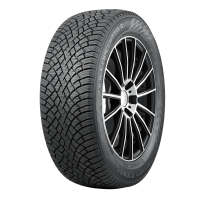
The Nokian Tyres Hakkapeliitta 10 performs excellently on icy roads, where its behavior remains predictable in all situations and the steering feel is precise without being overly sharp. On asphalt, however, its performance is not on the same level, feeling imprecise and slow to react in situations requiring quick steering, though it remains controllable without surprises.
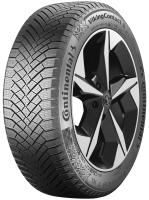
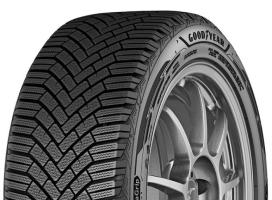
The Continental VikingContact 8 is a logical and easy-to-control tyre on ice, thanks to its good grip and precise steering feel. It was rated the best tyre in the comparison on snow, offering excellent grip with safe and calm handling. While it steers a bit imprecisely on wet asphalt, it never loses control unexpectedly. On dry roads, it is easy to drive and handles evasive maneuvers well, despite a slow reaction to steering inputs.
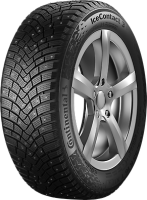
The Continental IceContact 3 offers responsive and easy-to-control handling, behaving in a stable and unsurprising manner on snow. While its ice grip isn't at the very top of the test group, its performance on wet and dry asphalt is solid and logical. The steering feel is precise, making the tyre easy to control, with sure steering and good rear grip during evasive maneuvers.
The Nokian Tyres Hakkapeliitta R5 is easy to control on ice, offering consistent grip and remaining manageable even when pushed beyond its limits. It also performs well on snow, with excellent lateral grip in extreme situations. On wet asphalt, the steering is imprecise, but its overall behavior remains logical with good rear-end stability. The tyre works well on dry asphalt, where its handling is certain, albeit with slightly slow steering.
The Goodyear UltraGrip Arctic 2 is a consistently high-quality tyre that performs well in all winter conditions, feeling particularly safe and stable on snow. Although its lateral grip on ice is not at the highest level, its fundamental behavior remains calm. On asphalt, its properties are also balanced, steering confidently in extreme situations with good grip in both wet and dry conditions.
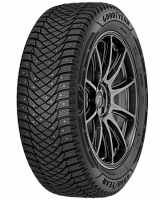
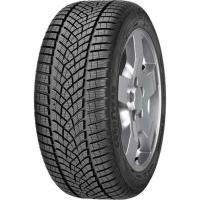
The Goodyear UltraGrip Ice 3 provides good grip on ice and behaves calmly and predictably, with a precise steering feel. It also steers precisely on snow, though the front tyres can lose grip at large steering angles. The tyre was the best friction tyre on wet asphalt, where its control remains easy in extreme situations. On dry asphalt, it steers logically and handles evasions smoothly despite a slightly imprecise reaction to inputs.
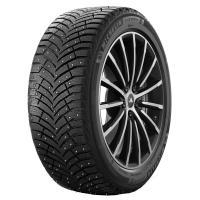
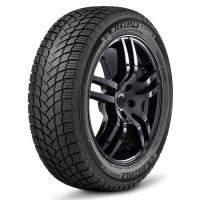
The Michelin X-Ice North 4 provides strong grip in icy conditions, but this is paired with an unnecessarily imprecise steering feel, though controllability is maintained in extreme situations. The steering is also slow on snowy roads, but the rear maintains its grip. On asphalt, its performance is weaker, with significant understeer during evasive maneuvers making it difficult to pass obstacles, though the rear of the car remains stable.
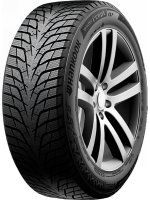
The Hankook Winter I*Cept IZ3 works reliably on snow and ice, though its ultimate grip is not quite at the level of the best competitors. Its handling is characterized by logical understeer, but the rear tyres can lose grip on ice in extreme situations, while on snow it feels confident. On wet asphalt, the steering is precise, but becomes less so on dry surfaces, where its behavior nevertheless remains calm and predictable.
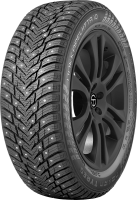
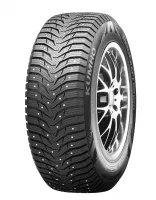
The Bridgestone Blizzak Spike 3 delivered the best grip on ice in the test, both for braking and cornering. However, in tight driving situations, it can steer imprecisely, and the rear tyres sometimes skid easily. On snow, the ride is calm despite not having the highest grip levels. Its asphalt performance is a weakness, as it steers slowly, and it is difficult to feel the grip limit, with the rear tyres being prone to losing grip during evasive maneuvers in the wet.
The Falken Winterpeak F-Snow 1 grips well on ice, exhibiting predictable understeer in extreme situations without any sudden loss of rear grip. However, its behavior on snowy roads is more restless, where both the front and rear tyres can begin to skid sharply. On asphalt, the tyre steers slowly and imprecisely during evasive maneuvers, and the front tyres may lose grip in the most difficult situations.
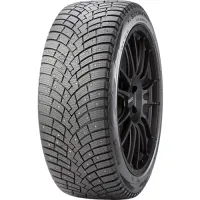
The Pirelli Ice Zero 2 steers precisely, but its handling on ice is marked by oversteer, which can make control difficult. The steering feel on snow is good, but the rear tyres may lose their grip in evasive situations. On wet asphalt, the handling becomes restless during fast maneuvers due to a low level of lateral grip, while on dry surfaces it steers slowly but consistently.
The Michelin X-Ice Snow offers top-notch braking grip on ice, but its drivability is hindered by weaker lateral grip, causing the front tyres to lose traction quickly during fast maneuvers. It reacts slowly to steering inputs but behaves logically and predictably on snowy surfaces. On both wet and dry asphalt, its grip is weak and handling feels sluggish, making it difficult to navigate evasive maneuvers, although the rear tyres always maintain stability.
The Kumho WinterCraft ice Wi32 has excellent grip for braking and accelerating on ice, though its cornering grip is weaker. It tends to understeer in fast situations but remains easy to control, and its behavior on snow is calm despite an imprecise steering feel. On asphalt, its characteristics are mediocre, and control becomes difficult during evasive maneuvers as the front tyres are prone to losing grip easily in both wet and dry conditions.
The Radar Dimax Ice has lower ice grip than the other friction tyres in the test, but it is quiet and maintains good rear-end stability even when steering slowly in extreme situations. The tyre's behavior on snow is logical, though the front tyres tend to lose grip easily at the limit. On asphalt, its grip level is insufficient for both wet and dry conditions, resulting in long braking distances and difficulty with evasive maneuvers due to the front tyres losing grip, though the rear remains stable.




Discussion