Famously, ADAC are not fans of all season tyres, seeing them as too compromised for year round motoring and insisting that a summer and winter tyre combination is superior.
This means ADAC have not tested all season tyres since 2020, so lets see if the modern batch of all season tyres can change ADACs mind!
ADAC tested 16 all-season tyre models in the popular 205/55 R16 size, but sadly started their testing before the public availability of the new Continental AllSeasonContact 2 which won the tyre reviews test this year, the vastly improved Pirelli Cinturato All Season SF3 and the Bridgestone Turanza All Season 6. The tyres were assessed under various conditions including summer, winter, and wet scenarios, with the overall score comprising 70% for driving safety and 30% for environmental impact.
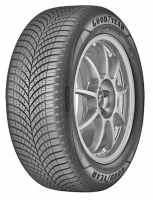
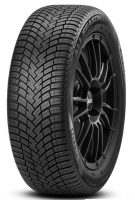
It seems modern all season tyres have improved, as an all-season tyre received a "good" overall rating for the first time. The Goodyear Vector 4Seasons Gen-3 claimed this honor, demonstrating good performance in wet and winter conditions, though showing slight weaknesses in dry summer conditions. Following closely was the Pirelli Cinturato All Season SF2, which proved to be an excellent choice for low-mileage drivers with good performance across all conditions.
While seven out of the 16 tyres tested were rated as "recommended," the remaining nine failed to meet the mark. Some tyres exhibited specific strengths in certain conditions but fell short in others, highlighting the ongoing challenge of creating a truly well-balanced all-season tyre.
Despite the improvements seen in some models, the test also exposed persistent issues. Seven tyres were rated only as "adequate," and two were deemed "poor," with many showing significant weaknesses particularly in dry conditions. This underscores that while progress has been made, all-season tyres are not yet universal all-rounders.
ADAC concludes that drivers should carefully consider their specific driving profile when choosing between all-season tyres and dedicated summer/winter tyres. The test emphasizes that performance, rather than price, should be the primary consideration in tyre selection. While all-season tyres have certainly improved, they may not be the optimal choice for all drivers or all driving conditions.
Dry
Without the new challengers from Continental, Pirelli and Bridgestone, dry braking was once again led by the Michelin Crossclimate 2, with the Uniroyal struggling to get the car slowed down, taking over 7 meters more to stop from 100km/h.
Dry Braking
Spread: 7.10 M (18%)|Avg: 43.84 M
Dry braking in meters (100 - 0 km/h) (Lower is better)
Michelin CrossClimate 2
39.50 M
Pirelli Cinturato All Season SF2
40.40 M
Vredestein Quatrac
42.20 M
Hankook Kinergy 4S2
42.60 M
Goodyear Vector 4Seasons Gen 3
43.20 M
Toyo Celsius AS2
43.20 M
Falken EUROALL SEASON AS210
44.10 M
Kumho Solus 4S HA32 Plus
44.10 M
Firestone MultiSeason Gen 02
44.20 M
Nankang Cross Seasons AW6
44.60 M
Kenda Kenetica 4S
44.80 M
Infinity Ecofour
44.90 M
Sava Sava All Weather
45.00 M
Semperit AllSeason Grip
45.90 M
Yokohama BluEarth 4S AW21
46.10 M
Uniroyal AllSeasonExpert 2
46.60 M
Wet
In wet braking, the Pirelli Cinturato All Season SF2 took the top spot, while the Infinity Ecofour lagged behind, needing over 5 meters more to come to a stop from 80 km/h.
Wet Braking
Spread: 5.30 M (15.9%)|Avg: 35.73 M
Wet braking in meters (80 - 0 km/h) (Lower is better)
Pirelli Cinturato All Season SF2
33.30 M
Firestone MultiSeason Gen 02
33.60 M
Falken EUROALL SEASON AS210
34.40 M
Goodyear Vector 4Seasons Gen 3
34.70 M
Michelin CrossClimate 2
34.80 M
Uniroyal AllSeasonExpert 2
35.00 M
Vredestein Quatrac
35.00 M
Kumho Solus 4S HA32 Plus
35.10 M
Semperit AllSeason Grip
35.30 M
Hankook Kinergy 4S2
35.90 M
Yokohama BluEarth 4S AW21
36.10 M
Toyo Celsius AS2
36.40 M
Kenda Kenetica 4S
37.50 M
Nankang Cross Seasons AW6
37.90 M
Sava Sava All Weather
38.10 M
Infinity Ecofour
38.60 M
On concrete surfaces in wet conditions, the Pirelli Cinturato All Season SF2 maintained its lead, with the Infinity Ecofour again showing the poorest performance, requiring over 8 meters more to stop.
Wet Braking - Concrete
Spread: 8.40 M (22.4%)|Avg: 41.42 M
Wet braking on Concrete in meters (80 - 0 km/h) (Lower is better)
Pirelli Cinturato All Season SF2
37.50 M
Falken EUROALL SEASON AS210
38.90 M
Firestone MultiSeason Gen 02
39.30 M
Goodyear Vector 4Seasons Gen 3
40.00 M
Vredestein Quatrac
40.00 M
Semperit AllSeason Grip
40.30 M
Kumho Solus 4S HA32 Plus
40.60 M
Uniroyal AllSeasonExpert 2
40.80 M
Michelin CrossClimate 2
41.10 M
Yokohama BluEarth 4S AW21
41.30 M
Hankook Kinergy 4S2
42.30 M
Toyo Celsius AS2
43.10 M
Kenda Kenetica 4S
43.20 M
Nankang Cross Seasons AW6
43.90 M
Sava Sava All Weather
44.50 M
Infinity Ecofour
45.90 M
In straight aquaplaning tests, the Uniroyal AllSeasonExpert 2 once again showed its deep water abilities by achieving the highest float speed, while the Infinity Ecofour struggled, with a float speed nearly 13 km/h lower.
Straight Aqua
Spread: 12.90 Km/H (15.7%)|Avg: 77.33 Km/H
Float Speed in Km/H (Higher is better)
Uniroyal AllSeasonExpert 2
82.30 Km/H
Pirelli Cinturato All Season SF2
81.00 Km/H
Michelin CrossClimate 2
81.00 Km/H
Falken EUROALL SEASON AS210
80.80 Km/H
Goodyear Vector 4Seasons Gen 3
79.30 Km/H
Vredestein Quatrac
78.70 Km/H
Kenda Kenetica 4S
78.60 Km/H
Toyo Celsius AS2
78.40 Km/H
Firestone MultiSeason Gen 02
77.80 Km/H
Semperit AllSeason Grip
77.80 Km/H
Hankook Kinergy 4S2
77.70 Km/H
Yokohama BluEarth 4S AW21
74.80 Km/H
Sava Sava All Weather
74.00 Km/H
Kumho Solus 4S HA32 Plus
73.40 Km/H
Nankang Cross Seasons AW6
72.30 Km/H
Infinity Ecofour
69.40 Km/H
The Uniroyal AllSeasonExpert 2 continued to impress in deep water, leading the curved aquaplaning test, while the Infinity Ecofour showed the least resistance to aquaplaning in curves.
Curved Aquaplaning
Spread: 1.20 m/sec2 (33.3%)|Avg: 3.07 m/sec2
Remaining lateral acceleration (Higher is better)
Uniroyal AllSeasonExpert 2
3.60 m/sec2
Falken EUROALL SEASON AS210
3.40 m/sec2
Goodyear Vector 4Seasons Gen 3
3.40 m/sec2
Kenda Kenetica 4S
3.30 m/sec2
Hankook Kinergy 4S2
3.30 m/sec2
Vredestein Quatrac
3.30 m/sec2
Pirelli Cinturato All Season SF2
3.30 m/sec2
Toyo Celsius AS2
3.30 m/sec2
Michelin CrossClimate 2
3.20 m/sec2
Sava Sava All Weather
3.00 m/sec2
Semperit AllSeason Grip
2.90 m/sec2
Yokohama BluEarth 4S AW21
2.80 m/sec2
Firestone MultiSeason Gen 02
2.80 m/sec2
Kumho Solus 4S HA32 Plus
2.60 m/sec2
Nankang Cross Seasons AW6
2.50 m/sec2
Infinity Ecofour
2.40 m/sec2
Snow
In snow braking tests, the Semperit AllSeason Grip proved most effective, while the Pirelli Cinturato All Season SF2, despite its strong wet performance, required 2 meters more to stop on snow.
Snow Braking
Spread: 2.00 M (20%)|Avg: 11.09 M
Snow braking in meters (30 - 0 km/h) (Lower is better)
Semperit AllSeason Grip
10.00 M
Sava Sava All Weather
10.40 M
Yokohama BluEarth 4S AW21
10.50 M
Kumho Solus 4S HA32 Plus
10.60 M
Uniroyal AllSeasonExpert 2
10.70 M
Nankang Cross Seasons AW6
10.70 M
Goodyear Vector 4Seasons Gen 3
10.70 M
Michelin CrossClimate 2
11.10 M
Infinity Ecofour
11.40 M
Hankook Kinergy 4S2
11.40 M
Falken EUROALL SEASON AS210
11.40 M
Firestone MultiSeason Gen 02
11.40 M
Vredestein Quatrac
11.60 M
Toyo Celsius AS2
11.70 M
Kenda Kenetica 4S
11.90 M
Pirelli Cinturato All Season SF2
12.00 M
The Sava All Weather demonstrated the best snow traction, while the Kenda Kenetica 4S struggled to gain grip, producing over 40 N less pulling force.
Snow Traction
Spread: 42.90 N (18.3%)|Avg: 213.74 N
Pulling Force in Newtons (Higher is better)
Sava Sava All Weather
234.10 N
Semperit AllSeason Grip
228.10 N
Michelin CrossClimate 2
225.50 N
Kumho Solus 4S HA32 Plus
223.20 N
Goodyear Vector 4Seasons Gen 3
218.50 N
Uniroyal AllSeasonExpert 2
217.60 N
Vredestein Quatrac
217.60 N
Hankook Kinergy 4S2
216.90 N
Nankang Cross Seasons AW6
212.50 N
Yokohama BluEarth 4S AW21
212.30 N
Infinity Ecofour
210.90 N
Firestone MultiSeason Gen 02
210.40 N
Pirelli Cinturato All Season SF2
209.70 N
Falken EUROALL SEASON AS210
200.00 N
Toyo Celsius AS2
191.40 N
Kenda Kenetica 4S
191.20 N
Ice
On icy surfaces, the Pirelli Cinturato All Season SF2 redeemed itself with the shortest braking distance, while the Kenda Kenetica 4S required 4 meters more to come to a stop.
Ice Braking
Spread: 4.00 M (22.2%)|Avg: 19.78 M
Ice braking in meters (Lower is better)
Pirelli Cinturato All Season SF2
18.00 M
Semperit AllSeason Grip
18.10 M
Uniroyal AllSeasonExpert 2
18.50 M
Goodyear Vector 4Seasons Gen 3
18.70 M
Nankang Cross Seasons AW6
19.00 M
Sava Sava All Weather
19.20 M
Firestone MultiSeason Gen 02
19.60 M
Kumho Solus 4S HA32 Plus
19.60 M
Infinity Ecofour
19.70 M
Michelin CrossClimate 2
19.80 M
Vredestein Quatrac
20.40 M
Falken EUROALL SEASON AS210
20.50 M
Hankook Kinergy 4S2
21.00 M
Yokohama BluEarth 4S AW21
21.20 M
Toyo Celsius AS2
21.20 M
Kenda Kenetica 4S
22.00 M
Comfort
In terms of external noise, the Nankang Cross Seasons AW6, Pirelli Cinturato All Season SF2, and Goodyear Vector 4Seasons Gen 3 tied for the quietest performance, while the Falken EUROALL SEASON AS210 was the noisiest.
Noise
Spread: 1.70 dB (2.4%)|Avg: 71.44 dB
External noise in dB (Lower is better)
Nankang Cross Seasons AW6
70.60 dB
Goodyear Vector 4Seasons Gen 3
70.60 dB
Pirelli Cinturato All Season SF2
70.60 dB
Vredestein Quatrac
71.10 dB
Michelin CrossClimate 2
71.10 dB
Infinity Ecofour
71.40 dB
Uniroyal AllSeasonExpert 2
71.40 dB
Semperit AllSeason Grip
71.40 dB
Sava Sava All Weather
71.40 dB
Firestone MultiSeason Gen 02
71.50 dB
Toyo Celsius AS2
71.50 dB
Kenda Kenetica 4S
71.90 dB
Kumho Solus 4S HA32 Plus
71.90 dB
Hankook Kinergy 4S2
72.10 dB
Yokohama BluEarth 4S AW21
72.20 dB
Falken EUROALL SEASON AS210
72.30 dB
The Sava All Weather proved to be the lightest tyre in the test, while the Yokohama BluEarth 4S AW21 was the heaviest, weighing over 2 kg more per tyre.
Tyre Weight
Spread: 2.20 Kg (27.8%)|Avg: 8.65 Kg
Tyre Weight Per Set (Lower is better)
Sava Sava All Weather
7.90 Kg
Uniroyal AllSeasonExpert 2
8.00 Kg
Goodyear Vector 4Seasons Gen 3
8.00 Kg
Semperit AllSeason Grip
8.10 Kg
Vredestein Quatrac
8.20 Kg
Michelin CrossClimate 2
8.30 Kg
Firestone MultiSeason Gen 02
8.40 Kg
Toyo Celsius AS2
8.40 Kg
Hankook Kinergy 4S2
8.50 Kg
Infinity Ecofour
8.70 Kg
Falken EUROALL SEASON AS210
8.80 Kg
Kumho Solus 4S HA32 Plus
8.90 Kg
Kenda Kenetica 4S
9.10 Kg
Pirelli Cinturato All Season SF2
9.10 Kg
Nankang Cross Seasons AW6
9.90 Kg
Yokohama BluEarth 4S AW21
10.10 Kg
Value
In the wear test, the Goodyear Vector 4Seasons Gen 3 showed impressive longevity with a projected lifespan of over 60,000 km, nearly double that of the least durable tyre, the Pirelli Cinturato All Season SF2.
Wear
Spread: 27700.00 KM (45.6%)|Avg: 44087.50 KM
Predicted tread life in KM (Higher is better)
Goodyear Vector 4Seasons Gen 3
60700.00 KM
Hankook Kinergy 4S2
51500.00 KM
Kumho Solus 4S HA32 Plus
50600.00 KM
Toyo Celsius AS2
50200.00 KM
Uniroyal AllSeasonExpert 2
48000.00 KM
Vredestein Quatrac
48000.00 KM
Infinity Ecofour
44400.00 KM
Michelin CrossClimate 2
44000.00 KM
Kenda Kenetica 4S
43600.00 KM
Sava Sava All Weather
42700.00 KM
Nankang Cross Seasons AW6
41800.00 KM
Falken EUROALL SEASON AS210
40000.00 KM
Semperit AllSeason Grip
37400.00 KM
Firestone MultiSeason Gen 02
35600.00 KM
Yokohama BluEarth 4S AW21
33900.00 KM
Pirelli Cinturato All Season SF2
33000.00 KM
The Vredestein Quatrac, Sava All Weather, and Infinity Ecofour tied for the best fuel efficiency, while the Kenda Kenetica 4S and Yokohama BluEarth 4S AW21 were the least efficient, consuming 0.3 l/100km more.
Fuel Consumption
Spread: 0.30 l/100km (5.8%)|Avg: 5.35 l/100km
Fuel consumption in Litres per 100 km (Lower is better)
Infinity Ecofour
5.20 l/100km
Vredestein Quatrac
5.20 l/100km
Sava Sava All Weather
5.20 l/100km
Uniroyal AllSeasonExpert 2
5.30 l/100km
Nankang Cross Seasons AW6
5.30 l/100km
Firestone MultiSeason Gen 02
5.30 l/100km
Michelin CrossClimate 2
5.30 l/100km
Hankook Kinergy 4S2
5.40 l/100km
Falken EUROALL SEASON AS210
5.40 l/100km
Goodyear Vector 4Seasons Gen 3
5.40 l/100km
Pirelli Cinturato All Season SF2
5.40 l/100km
Semperit AllSeason Grip
5.40 l/100km
Kumho Solus 4S HA32 Plus
5.40 l/100km
Toyo Celsius AS2
5.41 l/100km
Yokohama BluEarth 4S AW21
5.50 l/100km
Kenda Kenetica 4S
5.50 l/100km
19,000 km
£1.45/L
8.0 L/100km
--
Annual Difference
--
Lifetime Savings
--
Extra Fuel/Energy
--
Extra CO2
Estimates based on typical driving conditions. Rolling resistance accounts for approximately 20% of IC vehicle fuel consumption and 25% of EV energy consumption. Actual savings vary based on driving style, vehicle weight, road conditions, and tyre age. For comparative purposes only. Lifetime savings based on a 40,000km / 25,000 mile tread life.
The Michelin CrossClimate 2 showed the least tyre wear particles lost, indicating good compound durability, while the Yokohama BluEarth 4S AW21 lost nearly twice as much material during testing.
Abrasion
Spread: 40.00 mg/km/t (76.9%)|Avg: 68.31 mg/km/t
Weight of Tyre Wear Particles Lost (mg/km/t) (Lower is better)
The Goodyear Vector 4Seasons Gen-3 tyre shows mixed performance across different conditions. On dry roads, particularly in summer temperatures, it lacks precision in steering response and could improve in stabilizing after evasive maneuvers. Its braking performance from 100 km/h is rated as good compared to other tested tyres.
On wet roads, the tyre performs well overall, with above-average results in braking and aquaplaning tests. However, its handling on wet surfaces is only satisfactory, lacking in precise maneuvering through test courses.
The tyre truly shines in winter conditions, excelling with short braking distances on snow and ice, good traction, and safe, precise handling in snowy conditions. From an environmental perspective, the Polish-made tyre scores well due to its projected high mileage, low wear, light weight, and reasonable fuel efficiency..
The Pirelli Cinturato All Season SF2 tyre stands out in safety tests, achieving a good rating across dry, wet, and winter conditions. On dry roads, it offers precise steering and good reserves at the limit, with above-average braking performance from 100 km/h.
In wet conditions, the tyre excels, scoring top marks in wet braking and handling. It provides good grip and precise control on wet surfaces, along with good aquaplaning resistance. On winter roads, it's the only tyre in the test to secure a good rating, balancing slightly below-average snow braking and traction with good handling and ice braking.
Environmentally, the Romanian-made tyre receives a satisfactory rating. While tyre wear is good, its below-average projected mileage and relatively high weight impact its efficiency score. Noise performance is average..
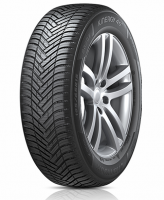
The Hankook Kinergy 4S² tyre receives a satisfactory overall safety rating, primarily due to its performance on wet and winter roads. On dry surfaces, it offers good steering feedback, precision, and reserves at the limit, with quick stabilization after evasive maneuvers and good braking performance.
On wet roads, the tyre misses a good rating. While its aquaplaning behavior is good, braking is only satisfactory, and handling is rated as merely adequate. The test vehicle tends to under- or oversteer early, offering little precision and only sufficient safety reserves on the handling course.
In winter conditions, the Hankook achieves only a satisfactory result. It secures a good rating in braking tests but falls short in traction and handling. The tyre lacks precision in steering and has a narrow performance limit, with early tendency to under- or oversteer. Ice braking performance is below average.
Environmentally, the Korean-made Hankook Kinergy 4S² scores well. It excels in projected mileage and low wear, with good marks for weight and fuel consumption. However, it's criticized for production residues on new tyres, which unnecessarily impact the environment during initial use..
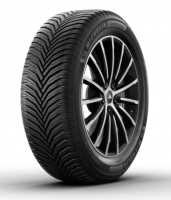
The Michelin CrossClimate 2 tyre receives a satisfactory overall safety rating, mainly due to its performance on wet roads. On dry surfaces, it provides good steering feedback, precision, and reserves at the limit, achieving the shortest braking distance in the test.
On wet roads, the tyre's performance drops. While it delivers good results in braking and aquaplaning tests, its handling is rated as merely adequate. The Michelin struggles to combine longitudinal and lateral forces effectively, leading to early under- or oversteer. The performance limit is low, resulting in imprecise steering control.
In winter conditions, the CrossClimate 2 impresses with good performance. Its braking and traction are rated as good, and it secures the best handling score in the test, allowing precise and safe maneuvering through the course.
Environmentally, the Italian and Spanish-made Michelin CrossClimate 2 achieves a good result. It offers high projected mileage and the lowest wear in the test. Additionally, it shows above-average performance in fuel consumption and weight..
The Kumho Solus 4S HA32+ tyre receives only a satisfactory rating for safety on both dry and wet roads, but manages to secure a good rating in winter conditions. On dry surfaces, it shows its weakest performance, offering average steering feedback and lacking precision. The driver needs to make occasional corrections, and the tyre could be more stable during dynamic evasive maneuvers. Its braking distance is slightly below average.
On wet roads, the Kumho also misses a good rating. While it achieves a good score in braking tests, it only receives satisfactory ratings for aquaplaning behavior and handling. The tyre struggles to combine longitudinal and lateral forces effectively, showing too much under- or oversteer for precise control on the handling course.
In winter conditions, the Solus 4S HA32+ impresses with good performance. It scores well in braking and traction tests, and also secures a good rating in handling. The test vehicle can be maneuvered precisely and safely through the course with good reserves. Its ice braking performance is rated as just good.
Environmentally, the Korean-made Kumho Solus 4S HA32+ achieves a good result. It scores well in projected mileage and wear. Its efficiency is rated as just good, with a slightly high weight compared to the test field, but acceptable fuel consumption..
The Vredestein Quatrac tyre achieves only a satisfactory rating for safety on dry, wet, and winter roads. On dry surfaces, it shows its weakest performance, offering average steering feedback and lacking precision. The driver needs to make occasional corrections, and the tyre could be more stable during dynamic evasive maneuvers. However, its braking distance is slightly above average, earning a good rating.
On wet roads, the Quatrac narrowly misses a good overall rating. It scores well in braking and aquaplaning tests but receives only a satisfactory rating in wet handling due to excessive under- and oversteer, affecting precise control on the handling course.
In winter conditions, the Vredestein also achieves only a satisfactory result. While it secures a good rating in traction tests, it falls short in braking and handling. The test vehicle lacks precision in steering, with grip limits at a satisfactory level. Ice braking performance is slightly below average.
Environmentally, the Hungarian-made Vredestein Quatrac achieves a good result. It scores well in projected mileage and wear. In efficiency, the Quatrac excels with very low fuel consumption and comparatively low weight..
The Falken EuroAll Season AS210 tyre receives an overall satisfactory rating for driving safety. It shows weaknesses primarily on winter roads and narrowly misses a good rating on dry surfaces. However, it performs well on wet roads.
On dry surfaces, the tyre offers satisfactory steering feedback with borderline good performance at the limit. Its braking distance is average. On wet roads, the Falken excels, scoring good ratings in all criteria including braking, aquaplaning resistance, and handling, with above-average performance and good reserves.
In winter conditions, the tyre achieves only a satisfactory result. While it scores well in snow braking, its performance in traction and ice braking is satisfactory. However, its handling on snow is rated as merely adequate, with imprecise steering control and a narrow performance limit.
Environmentally, the Turkish-made Falken EuroAll Season AS210 receives a satisfactory rating. While its wear is rated as good, its projected mileage falls short. It scores well in efficiency due to low fuel consumption but has a slightly above-average weight. The tyre is criticized for production residues on new tyres, which unnecessarily impact the environment during initial use..
The Firestone Multiseason2 tyre receives an overall adequate rating for driving safety. It shows significant weaknesses on dry roads at high temperatures and narrowly misses good ratings on wet and winter roads.
On dry surfaces, the tyre offers only adequate steering feedback and lacks precision. The driver must make frequent corrections due to delayed steering response and inconsistent cornering. The test vehicle tends to oversteer early in dynamic maneuvers, resulting in an adequate rating for limit behavior. Braking distance is rated as satisfactory.
On wet roads, the Firestone barely misses a good overall rating. It scores well in braking and straight-line aquaplaning but only satisfactory in cornering aquaplaning and handling. The tyre struggles to combine longitudinal and lateral forces effectively, showing too much under- or oversteer for precise control.
In winter conditions, the Multiseason2 achieves a clearly satisfactory result. It performs well in snow and ice braking, satisfactorily in traction, but only adequately in handling. The test vehicle lacks precision in steering, with a narrow and low performance limit.
Environmentally, the Italian-made Firestone Multiseason2 receives a satisfactory rating. Both its projected mileage and wear are rated as satisfactory. However, it scores well in efficiency with low weight and fuel consumption..
The Sava All Weather tyre receives an overall adequate rating for driving safety. It shows significant weaknesses on dry roads at high temperatures and clearly misses a good rating on wet surfaces. However, it excels in winter conditions.
On dry surfaces, the tyre offers only adequate steering feedback and lacks precision. The driver must make frequent corrections due to delayed steering response and inconsistent cornering. The test vehicle tends to oversteer early in dynamic maneuvers, resulting in an adequate rating for limit behavior. Braking distance is rated as satisfactory.
On wet roads, the Sava performs satisfactorily overall. It receives satisfactory ratings for braking and aquaplaning performance but barely achieves an adequate rating in handling. The tyre struggles to combine longitudinal and lateral forces effectively, showing early and pronounced under- or oversteer.
In winter conditions, the Sava shines with good to very good ratings. It scores clearly good in snow and ice braking, as well as in traction. Its handling performance is rated as very good, with the test vehicle demonstrating precise control and a high performance limit.
Environmentally, the Polish-made Sava All Weather secures a good rating. Both its projected mileage and wear are rated as good. The tyre also offers nearly very good efficiency, with very good fuel consumption and narrowly missing a very good rating in weight..
The Nankang Cross Seasons AW-6 tyre receives an overall adequate rating for driving safety. It shows significant weaknesses on dry roads at high temperatures and clearly misses good ratings on both wet and winter surfaces.
On dry surfaces, the tyre offers only adequate steering feedback and lacks precision. The driver must make frequent corrections due to delayed steering response and inconsistent cornering. The test vehicle tends to oversteer early in dynamic maneuvers, resulting in an adequate rating for limit behavior. Braking distance is rated as satisfactory.
On wet roads, the Cross Seasons AW-6 performs satisfactorily overall. It receives satisfactory ratings for braking and aquaplaning performance but only an adequate rating in handling. The tyre struggles to combine longitudinal and lateral forces effectively, showing early and pronounced under- or oversteer.
In winter conditions, the Nankang achieves a satisfactory result. It scores well in snow and ice braking, but only satisfactory in traction and snow handling. The test vehicle offers satisfactory steering precision, but with a narrow and low performance limit.
Environmentally, the Chinese-made Nankang Cross Seasons AW-6 receives a satisfactory rating. While its wear is rated as good, it narrowly misses a good rating for projected mileage. Fuel consumption is acceptable, but high weight results in an adequate efficiency rating. The tyre scores poorly in sustainability, lacking ISO certifications and showing production residues that unnecessarily impact the environment during initial use..
The Toyo Celsius AS2 tyre receives an overall adequate rating for driving safety. It shows significant weaknesses on dry roads at high temperatures and clearly misses good ratings on both wet and winter surfaces.
On dry surfaces, the tyre offers barely adequate steering feedback and lacks precision. The driver must make frequent corrections due to delayed steering response and inconsistent cornering. The test vehicle tends to oversteer early in dynamic maneuvers, resulting in an adequate rating for limit behavior. Braking distance is rated as satisfactory.
On wet roads, the Celsius AS2 performs satisfactorily overall. It receives good ratings for aquaplaning resistance but narrowly misses a good rating in braking. Its handling is rated as merely adequate, struggling to combine longitudinal and lateral forces effectively and showing early and pronounced under- or oversteer.
In winter conditions, the Toyo achieves a satisfactory result. It scores well in snow and ice braking, but only satisfactory in traction and snow handling. The test vehicle offers satisfactory steering precision, but with a narrow and low performance limit.
Environmentally, the Japanese-made Toyo Celsius AS2 receives a good rating. It scores well in both projected mileage and wear. The tyre also impresses with its efficiency, showing comparatively low weight and fuel consumption..
The Semperit AllSeason-Grip tyre receives an overall adequate rating for driving safety. It shows significant weaknesses on dry roads at high temperatures but manages to achieve good results on wet and winter surfaces.
On dry surfaces, the tyre offers only adequate steering feedback and lacks precision. The driver must make frequent corrections due to delayed steering response and inconsistent cornering. The test vehicle tends to oversteer early in dynamic maneuvers, resulting in an adequate rating for limit behavior. Braking distance is rated as satisfactory.
On wet roads, the Semperit performs well overall. It secures good ratings in braking, straight-line aquaplaning, and handling. The tyre effectively combines longitudinal and lateral forces, allowing for safe and precise maneuvering. Only in cornering aquaplaning does it miss a good rating.
In winter conditions, the AllSeason-Grip excels with very good to good ratings. It achieves very good performance in snow braking and handling, with the test vehicle demonstrating precise control and a high performance limit. Snow traction and ice braking are rated as good.
Environmentally, the German-made Semperit AllSeason-Grip receives a satisfactory rating. Both its projected mileage and wear are rated as satisfactory. However, it scores well in efficiency thanks to low weight and fuel consumption..
The Uniroyal AllSeasonExpert 2 tyre receives an overall adequate rating for driving safety. It shows significant weaknesses on dry roads at high temperatures but manages to achieve good results on wet and winter surfaces.
On dry surfaces, the tyre offers only adequate steering feedback and lacks precision. The driver must make frequent corrections due to delayed steering response and inconsistent cornering. The test vehicle tends to oversteer early in dynamic maneuvers, resulting in an adequate rating for limit behavior. Braking distance is rated as barely satisfactory.
On wet roads, the AllSeasonExpert 2 performs well overall. It secures good ratings in braking and aquaplaning resistance. However, its handling is only satisfactory, with the tyre struggling to effectively combine longitudinal and lateral forces. The test vehicle tends to under- or oversteer slightly early and lacks precise maneuverability.
In winter conditions, the Uniroyal achieves a good result. It scores well in snow and ice braking, as well as snow traction. Only in handling does it narrowly miss a good rating, with room for improvement in combining longitudinal and lateral forces. The performance limit is at an acceptable level.
Environmentally, the German-made Uniroyal AllSeasonExpert 2 receives a good rating. It scores well in projected mileage, wear, and efficiency..
The Yokohama BluEarth-4S tyre receives an overall adequate rating for driving safety. It shows significant weaknesses on dry roads at high temperatures and misses good ratings on both wet and winter surfaces.
On dry surfaces, the tyre offers barely adequate steering feedback and lacks precision. The driver must make frequent corrections due to delayed steering response and inconsistent cornering. The test vehicle tends to oversteer early in dynamic maneuvers, resulting in an adequate rating for limit behavior. Braking distance is rated as satisfactory.
On wet roads, the BluEarth-4S performs satisfactorily. It narrowly misses a good rating in braking tests, while its aquaplaning resistance and handling are clearly rated as satisfactory. The tyre struggles to effectively combine longitudinal and lateral forces and tends to under- or oversteer relatively early.
In winter conditions, the Yokohama achieves a satisfactory result. It scores well in snow braking but only satisfactory in traction and snow handling. The test vehicle offers satisfactory steering precision, but with a narrow and low performance limit. Ice braking performance is also rated as satisfactory.
Environmentally, the Japanese-made Yokohama BluEarth-4S receives a satisfactory rating. It achieves only satisfactory scores in projected mileage, wear, and efficiency. The tyre is criticized for production residues on new tyres, which unnecessarily impact the environment during initial use..
The Kenda Kenetica 4S tyre receives an overall poor rating for driving safety. It shows significant weaknesses on winter roads and misses good ratings on both dry and wet surfaces.
On dry surfaces, the tyre offers good steering feedback and precise control with good behavior at the limit. However, its braking distance is only satisfactory, causing it to narrowly miss a good overall dry performance rating.
On wet roads, the Kenetica 4S performs well in aquaplaning resistance, both longitudinal and lateral. However, it falls short in braking and handling. Braking performance is rated satisfactory, while handling is only adequate. The tyre lacks precision in maneuvering and struggles to effectively combine longitudinal and lateral forces.
In winter conditions, the Kenda performs poorly. It achieves only satisfactory results in braking and traction tests on snow. Its handling on snow is rated as poor compared to the test field. The tyre loses traction early, tends to under- and oversteer, and has very low performance limits. Precise maneuvering is not possible. Ice braking performance is also only satisfactory.
Environmentally, the Chinese-made Kenda Kenetica 4S narrowly misses a good rating. While its projected mileage and wear are rated as good, the tyre's efficiency is only satisfactory due to its high weight. The tyre is criticized for production residues on new tyres, which unnecessarily impact the environment during initial use..
The Infinity Ecofour tyre receives an overall poor rating for driving safety. It shows significant weaknesses on winter roads and performs poorly on dry surfaces. However, it manages a satisfactory rating on wet roads.
On dry surfaces, the tyre offers barely adequate steering feedback and is very imprecise. The driver must constantly correct steering as the tyre responds to inputs with significant delay. The test vehicle tends to oversteer early in dynamic maneuvers, with limit behavior rated as adequate. Braking distance is rated as satisfactory.
On wet roads, the Ecofour struggles. Its braking distance and aquaplaning resistance (both longitudinal and lateral) are rated as satisfactory. However, its handling receives a poor rating due to very low grip levels, early under- and oversteering, and long sliding phases, making it difficult to control.
In winter conditions, the Infinity manages a satisfactory rating overall. It achieves good scores in snow and ice braking tests and narrowly misses a good rating in snow traction. Its handling on snow is rated as satisfactory, with room for improvement in combining longitudinal and lateral forces.
Environmentally, the Chinese-made Infinity Ecofour secures a good rating. Both its projected mileage and wear are rated as good. The tyre's efficiency is rated as good thanks to very low fuel consumption, though it narrowly misses a good rating in weight..
Those who want to buy tires should be able to determine some parameters according to themselves. The result should be calculated accordingly. For example, the last 5 parameters are not important to me. Why don't you have a result without those parameters?


 Famously, ADAC are not fans of all season tyres, seeing them as too compromised for year round motoring and insisting that a summer and winter tyre combination is superior.

Those who want to buy tires should be able to determine some parameters according to themselves. The result should be calculated accordingly. For example, the last 5 parameters are not important to me. Why don't you have a result without those parameters?
This is the only site in the world you can do that for yourself on.