

All the results are below.
The Results

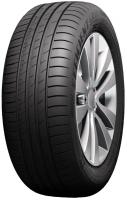
Goodyear scored first place for having raised the bar to a new level with regards to a low rolling resistance and high wet grip. The EfficientGrip Performance was excellent in all the tests, good handling and speed on wet roads, good ride quality in the dry and cope well with sudden direction changes. Perhaps the only negative is a comparatively average aquaplaning resistance.
Total: 81
Dry
18
Wet
37
Comfort
8
Rolling Resistance
10
Noise
8
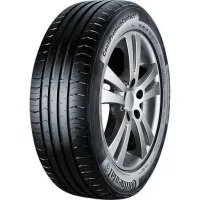
The Premium Contact 5 earnt praise for its stable reaction during emergency maneuvers in the wet, but it was noted the rear was slightly unstable in the dry. Strongest aquaplaning result and the tyre has a quiet and comfortable ride. Rolling resistance is good, but not as good as the best tyres on test. The main drawback, long braking on dry roads.
Total: 80
Dry
17
Wet
37
Comfort
9
Rolling Resistance
8
Noise
9
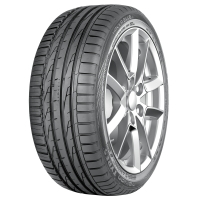
In joint second place, the Nokian had an extremely strong result. Surprisingly predictable and balanced tyres, they inspire confidence. Good aquaplaning, ride quality, noise and rolling resistance results round out the positive.
Total: 80
Dry
18
Wet
37
Comfort
8
Rolling Resistance
8
Noise
9
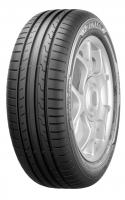
Dunlop have a very short braking distances and good controllability on dry and on wet pavement. At the same time, increasing the load - especially on dry pavement - can lead the car to sudden oversteer. The Dunlops are very quiet and have good resistance to aquaplaning.
Total: 80
Dry
17
Wet
36
Comfort
8
Rolling Resistance
10
Noise
9
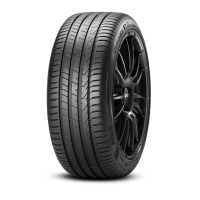
Pirelli demonstrated excellent wet grip and excellent resistance to aquaplaning but like the Dunlops, they can be a little snappy in the wet. In the dry the front of the car accurately and quickly respond during severe direction changes, providing the optimum level of security. With comfort and noise scores also high, the only draw back is rolling resistance.
Total: 76
Dry
17
Wet
35
Comfort
8
Rolling Resistance
7
Noise
9
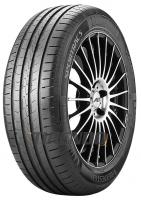
The Vredestein was the fastest on a wet track due to high lateral grip and excellent maneuverability. Braking performance, however, is not as impressive, plus the Vredestein aquaplanes too quickly. On dry roads the tyres confidently hold grip in tight turns and do not lose it, even in the most extreme situation. Comfort and efficiency - average.
Total: 76
Dry
17
Wet
35
Comfort
8
Rolling Resistance
8
Noise
8
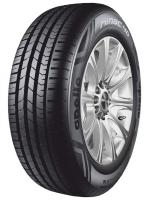
The is the first time test world have tested a tyre from Apollo, and their debut was quite successful - perhaps after buying Vredestein company received new developments that successfully used in the production of tyres under its own brand. The tyre had short braking distances on dry and wet surfaces, they were even able to match the tyres from much more well known brands. In terms of handling, the Apollo was too sluggish to respond to steering and easy to lose grip, but they have a very high comfort level. Overall, nice try, but deficiencies still exist, and besides, Apollo has a high rolling resistance.
Total: 73
Dry
16
Wet
33
Comfort
9
Rolling Resistance
7
Noise
8
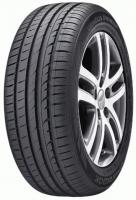
The Hankook resists aquaplaning, and they have a decent braking performance on wet surfaces. In wet handling they struggle, especially during braking in a turn. In addition to this Hankook highest rolling resistance in the test and the tyre isn't as comfortable as some.
Total: 71
Dry
16
Wet
34
Comfort
7
Rolling Resistance
6
Noise
8
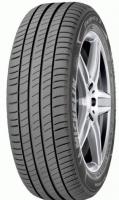
The Michelin demonstrated understeer in the wet. Resistance to aquaplaning is also one of the weakest among the tested tyres and traction on the front axle is lost very quickly, affecting the lap times. In the dry, the Michelin behaves more confidently and safely, but only has average levels of comfort, plus an average rolling resistance.
Total: 73
Dry
18
Wet
31
Comfort
8
Rolling Resistance
8
Noise
8
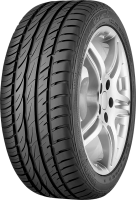
The Barum has acceptable results in the wet, thanks to its predictable reactions and balance behaviors they allow you to make a quick lap time. However, in an emergency, these tyres behave nervously and can dramatically lose traction on the rear axle. During quick maneuvers on dry pavement, the Barum respond too slowly, and the braking distance is one of the longest in the test. The Barum also gladly informs the driver of the road bumps, and they were also unable to compete with the leaders during the rolling resistance test.
Total: 71
Dry
15
Wet
34
Comfort
7
Rolling Resistance
7
Noise
8
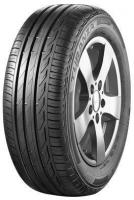
Bridgestone became the main disappointment of this test. These tyres are not enough good in wet conditions for the product of such a major manufacturer, and the situation on dry pavement isn't much better. Bridgestone is slow to respond to steering and can dramatically lose traction, causing the vehicle control requires more attention. The advantages - excellent resistance to aquaplaning and low noise.
Total: 71
Dry
14
Wet
33
Comfort
7
Rolling Resistance
8
Noise
9
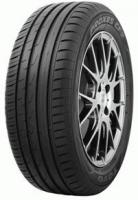
These tyres do not like the rain. The Toyo has long braking distances and weak grip on wet surfaces, and they aquaplane easily. However, although the Toyo quickly loses grip, they do it quite predictable. On dry roads the Toyo behaves safely and securely, but they lack the information feel during emergency maneuvers. Among the advantages - good ride quality and fairly low rolling resistance.
Total: 68
Dry
15
Wet
28
Comfort
9
Rolling Resistance
8
Noise
8
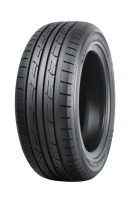
The main advantage of the Nankang - this is a very low noise tyre. Unfortunately, this is their only advantage, as in all the other tests, these tires showed very poor results, and, as noted by the Finns, such poor control is no longer acceptable for modern tires. The Eco Green Sport quickly loses grip in the corners and make driving in an emergency situationvery difficult. Nankang is also poor with aquaplaning, and they have a high rolling resistance. Overall, the Nankang needs immediate improvement, and the tyres can not compete with the others, no matter how cheap they are.
Total: 63
Dry
14
Wet
25
Comfort
8
Rolling Resistance
7
Noise
9
Discussion