

| Test Summary | |
| Wet Braking |
Yokohama Advan Neova AD08 |
| Dry Braking |
Continental Sport Contact 5 |
| Rolling Resistance |
Dunlop SportMaxx RT |
| Noise |
Michelin Pilot Sport 3 PS3 |
| Snow Handling |
Continental Sport Contact 5 |
| Ice Braking |
Dunlop SportMaxx RT |
Conversely EVO spend plenty of time, and dedicate 60% of the overall result, to subjective handling. With the difference in grip between the best tyres on the market ever shrinking, explaining how the tyres actually feel to use give people who enjoy driving a good reference point. This years test was carried out at the Bridgestone test track in Italy, on a VW Golf GTI wearing 225/45 R17 tyres.
The top three
It's back to the top step for Continental with a convincing all round performance from the Sport Contact 5. Only dropping out of the top three twice, the Sport Contact 5 excelled in both subjective feel and objective handling. The aging, but updated Pirelli P Zero had a good result in second place, largely down to wet and dry handling, and the Goodyear Eagle F1 Asymmetric 2 rounded out the top three, with the usual Goodyear blend of wet grip and steering feel.
The Rest
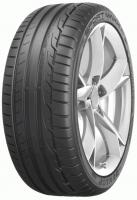
Fourth spot was taken by Yokohama, with the AD08. It was a surprising nomination from Yokohama, with the Advan V105 the logical choice, but the gamble paid off. Easily the most exciting and fastest tyre in the dry, it wasn't as awful as some track day tyres in the wet, giving you an "extreme performance" tyre you can drive all year.
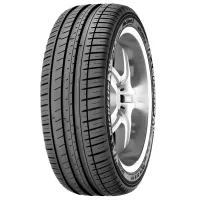
Michelin finished fifth, with a good all round performance, but we tend to feel the French brand was disadvantaged by the small size chosen. The Michelin Pilot Super Sport would have been the logical competitor to the other tyres on test, but starting in 18 inches Michelin had to put forward the softer, more touring orientated Pilot Sport 3.
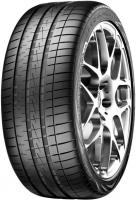
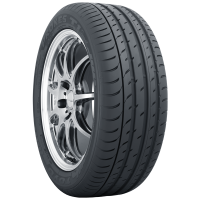
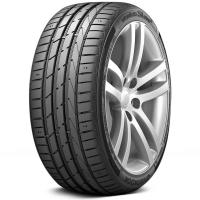
Vredestein entered the replacement to the Ultrac Sessanta, the Vorti, and will be happy they beat Toyo and Hankook to win the battle of the midrange tyres. Dunlop disappointed in ninth struggling with overall grip, and Bridgestone embarrassingly finished last at home, with neither good feel or good grip.
Sidewall Stiffness
One thing we're always being asked is "does sidewall stiffness relate to handling?" To try and answer this, we visited the warehouse at lovetyres.com and measured the sidewall stiffness of each tyre on test with a totally unscientific "squeeze test".
Expecting to find an approximate correlation between the best subjective tyres on test, and the stiffest sidewalls, the results surprised us. Here is the order of stiffness, grouped into approximate stiffness groups, and the subjective dry handling result.
| Tyre in order of sidewall stiffness | Subjective dry position |
| Yokohama | 1st |
| Group 2 | |
| Vredestein | 7th |
| Bridgestone | 9th |
| Toyo | 6th |
| Hankook | 4th |
| Michelin | 8th |
| Group 3 | |
| Pirelli | 2nd |
| Continental | 2nd |
| Goodyear | 5th |
| Dunlop | 10th |
The best and worst in group are in the right places, but there's no pattern between second place and ninth! Obviously there's more at work than basic sidewall stiffness to subjective handling.
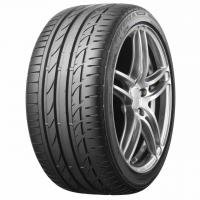
It is however worth noting, subjective handling isn't just down to the tyre - it's how the car works with the tyre, the tyre size on test, and what that particular writer values while driving. For example, we've tested various tyres in 19 inch on an E46 BMW M3, and the Bridgestone Potenza S001 is the best we've tried for pure steering feel and feedback (but not outright grip.)
Sadly, with no easy formula to subjective tyre feel, it looks like you have to look into detailed user reviews on your chosen vehicle.
The Results
Below are the full results. Please note, we've not included aquaplaning scores, or applied any weighting, so make sure you pick up a copy of EVO issue 201 (November 2014) for the test in its full glory. Also we entered the EVO road route test as "comfort", but EVO took into account comfort, noise and steering feel.

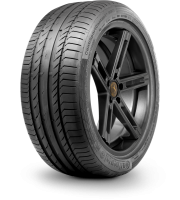
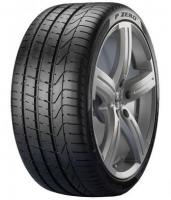
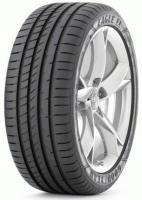
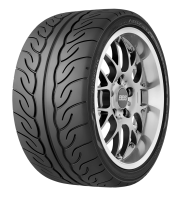
This is very nice and really appreciating.
you can also visit http://www.acrinffga.com/ for more information.
f
are these tyres the "top ten" or were there more tyres tested?
This year EVO tested 10 tyres.
Auto Bild do the 50 tyre braking shootout:
http://www.tyrereviews.co.u...
the pirelli in this test is xl / 94 load ?
Yes, 94Y XL, F (rolling resistance) and A (wet grip), 73DB
The fact that pzero is 94Y XL but with low stiffness and pretty good comfort is really impressive .