Test Publication:
Auto Bild Sportscars
245/40 R18
14 tyres
5 categories
Test Size:
245/40 R18
Tyres Tested:
14 tyres
Auto Bild Sportscars is not affiliated with, and does not endorse, Tyre Reviews. This is independent editorial coverage of their published test.
The 2021 Auto Bild Sportscars winter tyre test has tested twelve of the best winter tyres in 245/40 R18 size using a Mercedes C Class, AND have included a summer and all season tyre as reference.
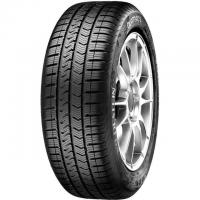
This is exceptionally useful for those of us wondering whether to fit winter or all season tyres for the bigger while size, and for a change Auto Bild named the all season tyre used, it's the Vredestein Quatrac Pro.
There are however some drawbacks to the single reference tyre. The Quatrac Pro is an older patter now, and certainly not the best all season tyre on the market anymore. This means while it was good in the dry, it didn't beat all the winter tyres as you'd expect (the Michelin CrossClimate 2 certainly would have), it struggled in the wet, and if you'd expected it to come last in a group of winter tyres in the snow tests, you're also in for a surprise.
Sadly Auto Bild didn't name the summer reference tyre, but this was unusually good in aquaplaning, and one of the best in the dry and wet.
There were also some nice synergies between this test and the Tyre Reviews Winter Tyre Test, with the Michelin Pilot Alpin 5 and Hankook Winter Icept Evo 3 performing amongst the best in both tests, and the Bridgestone Blizzak LM005 being the wet specialist of the group.
Dry
As in the Tyre Reviews test, the Michelin Pilot Alpin 5 was the best in both dry tests, beating even the all season tyre, but still significantly weaker than the summer reference which was nearly four meters ahead.
- Reference Summer
- Michelin Pilot Alpin 5
- Vredestein Quatrac Pro
- Toyo Snowprox S954
- Bridgestone Blizzak LM005
- Vredestein Wintrac Pro
- Goodyear UltraGrip Performance Plu
- Dunlop Winter Sport 5
- Falken Eurowinter HS01
- Hankook Winter i cept evo3
- Nankang SV2
- BFGoodrich gForce Winter 2
- Nexen WinGuard Sport 2
- Continental WinterContact TS 850 P
The order of results was also the same in dry handling, with the reference summer tyre leading Michelin and the all season Vredestein Quatrac Pro, with the Toyo SnowProx S954 in fourth.
- Reference Summer
- Michelin Pilot Alpin 5
- Vredestein Quatrac Pro
- Toyo Snowprox S954
- Bridgestone Blizzak LM005
- Nexen WinGuard Sport 2
- Hankook Winter i cept evo3
- Continental WinterContact TS 850 P
- Vredestein Wintrac Pro
- Nankang SV2
- Falken Eurowinter HS01
- BFGoodrich gForce Winter 2
- Dunlop Winter Sport 5
- Goodyear UltraGrip Performance Plu
Wet
Wet braking retained the summer tyres advantage, but this time the gap was closer at two meters shorter stopping distance. The difference between the best and worst winter tyre was fifteen meters from 100kph (62mph) which is a vast difference.
- Reference Summer
- Bridgestone Blizzak LM005
- Hankook Winter i cept evo3
- Michelin Pilot Alpin 5
- Continental WinterContact TS 850 P
- Toyo Snowprox S954
- Vredestein Wintrac Pro
- Falken Eurowinter HS01
- Goodyear UltraGrip Performance Plu
- Dunlop Winter Sport 5
- Vredestein Quatrac Pro
- BFGoodrich gForce Winter 2
- Nexen WinGuard Sport 2
- Nankang SV2
The Bridgestone Blizzak LM005 managed to edge out the summer tyre around the wet handling lap.
- Bridgestone Blizzak LM005
- Reference Summer
- Michelin Pilot Alpin 5
- Continental WinterContact TS 850 P
- Hankook Winter i cept evo3
- Vredestein Wintrac Pro
- Nexen WinGuard Sport 2
- Dunlop Winter Sport 5
- Vredestein Quatrac Pro
- Toyo Snowprox S954
- Goodyear UltraGrip Performance Plu
- BFGoodrich gForce Winter 2
- Falken Eurowinter HS01
- Nankang SV2
The summer tyre regained its lead to be the best in straight aquaplaning, leading the best winter tyre by quite a margin.
- Reference Summer
- BFGoodrich gForce Winter 2
- Michelin Pilot Alpin 5
- Hankook Winter i cept evo3
- Vredestein Wintrac Pro
- Nankang SV2
- Falken Eurowinter HS01
- Toyo Snowprox S954
- Nexen WinGuard Sport 2
- Goodyear UltraGrip Performance Plu
- Continental WinterContact TS 850 P
- Vredestein Quatrac Pro
- Bridgestone Blizzak LM005
- Dunlop Winter Sport 5
Snow
Snow braking once again had the BF Goodrich gForce Winter being the best winter tyre on snow, leading the consistent Hankook Winter Icept evo 3 and Dunlop WinterSport 5.
- BFGoodrich gForce Winter 2
- Hankook Winter i cept evo3
- Dunlop Winter Sport 5
- Falken Eurowinter HS01
- Michelin Pilot Alpin 5
- Goodyear UltraGrip Performance Plu
- Bridgestone Blizzak LM005
- Vredestein Wintrac Pro
- Continental WinterContact TS 850 P
- Nexen WinGuard Sport 2
- Vredestein Quatrac Pro
- Toyo Snowprox S954
- Nankang SV2
- Reference Summer
BFGoodrich continued its advantage during the snow traction test.
- BFGoodrich gForce Winter 2
- Dunlop Winter Sport 5
- Hankook Winter i cept evo3
- Goodyear UltraGrip Performance Plu
- Continental WinterContact TS 850 P
- Vredestein Wintrac Pro
- Bridgestone Blizzak LM005
- Michelin Pilot Alpin 5
- Falken Eurowinter HS01
- Nexen WinGuard Sport 2
- Vredestein Quatrac Pro
- Nankang SV2
- Toyo Snowprox S954
- Reference Summer
Snow handling rounded out the trio of wins for BFGoodrich, while the Nankang SV2 and Toyo Snowprox S954 continued to perform poorly in all snow tests.
- BFGoodrich gForce Winter 2
- Hankook Winter i cept evo3
- Michelin Pilot Alpin 5
- Dunlop Winter Sport 5
- Vredestein Wintrac Pro
- Goodyear UltraGrip Performance Plu
- Falken Eurowinter HS01
- Bridgestone Blizzak LM005
- Continental WinterContact TS 850 P
- Nexen WinGuard Sport 2
- Vredestein Quatrac Pro
- Nankang SV2
- Toyo Snowprox S954
Environment
The BFGoodrich was also the quietest tyre on test, with the Nexen WinGuard Sport 2 following closely. In this test, every winter and all season tyre were quieter than the summer tyre.
- BFGoodrich gForce Winter 2
- Nexen WinGuard Sport 2
- Michelin Pilot Alpin 5
- Nankang SV2
- Vredestein Quatrac Pro
- Toyo Snowprox S954
- Bridgestone Blizzak LM005
- Continental WinterContact TS 850 P
- Falken Eurowinter HS01
- Vredestein Wintrac Pro
- Hankook Winter i cept evo3
- Goodyear UltraGrip Performance Plu
- Dunlop Winter Sport 5
- Reference Summer
The Bridgestone had the lowest rolling resistance on test, beating the summer tyre. The all season tyre finished midpack.
There was a difference of 270 euros between the cheapest and most expensive tyres, and as always, the cheapest were amongst the worst performing on test.
- Nexen WinGuard Sport 2
- Nankang SV2
- Falken Eurowinter HS01
- Hankook Winter i cept evo3
- Toyo Snowprox S954
- Vredestein Wintrac Pro
- Vredestein Quatrac Pro
- BFGoodrich gForce Winter 2
- Dunlop Winter Sport 5
- Goodyear UltraGrip Performance Plu
- Bridgestone Blizzak LM005
- Continental WinterContact TS 850 P
- Michelin Pilot Alpin 5
Results
Excellent performance in the snow and rain, good aquaplaning resistance, dynamic handling and short braking distances on snowy and wet roads, very good value for money.
None mentioned.
| Test |
# |
Result |
Best |
Diff |
% |
| Dry Braking |
9th |
43.9 M |
36.5 M |
+7.4 M |
83.14% |
| Dry Handling |
7th |
101 Km/H |
105 Km/H |
-4 Km/H |
96.19% |
| Test |
# |
Result |
Best |
Diff |
% |
| Wet Braking |
3rd |
49.7 M |
47.1 M |
+2.6 M |
94.77% |
| Wet Handling |
4th |
71.9 Km/H |
72.9 Km/H |
-1 Km/H |
98.63% |
| Wet Circle |
6th |
12.65 s |
12.18 s |
+0.47 s |
96.28% |
| Straight Aqua |
4th |
97.4 Km/H |
101.5 Km/H |
-4.1 Km/H |
95.96% |
| Curved Aquaplaning |
1st |
4.22 m/sec2 |
|
|
100% |
| Test |
# |
Result |
Best |
Diff |
% |
| Snow Braking |
2nd |
31.7 M |
30.7 M |
+1 M |
96.85% |
| Snow Traction |
3rd |
2800 N |
2975 N |
-175 N |
94.12% |
| Snow Handling |
2nd |
44.6 Km/H |
44.7 Km/H |
-0.1 Km/H |
99.78% |
| Snow Slalom |
5th |
3.73 m/sec2 |
3.89 m/sec2 |
-0.16 m/sec2 |
95.89% |
| Test |
# |
Result |
Best |
Diff |
% |
| Noise |
11th |
74.7 dB |
72.4 dB |
+2.3 dB |
96.92% |
| Test |
# |
Result |
Best |
Diff |
% |
| Price |
4th |
495 |
430 |
+65 |
86.87% |
| Rolling Resistance |
8th |
8.74 kg / t |
7.91 kg / t |
+0.83 kg / t |
90.5% |
An excellent winter tyre with exemplary driving properties in all weather conditions, precise steering behavior, short braking distances.
Expensive.
| Test |
# |
Result |
Best |
Diff |
% |
| Dry Braking |
2nd |
41.4 M |
36.5 M |
+4.9 M |
88.16% |
| Dry Handling |
2nd |
102.9 Km/H |
105 Km/H |
-2.1 Km/H |
98% |
| Test |
# |
Result |
Best |
Diff |
% |
| Wet Braking |
4th |
49.8 M |
47.1 M |
+2.7 M |
94.58% |
| Wet Handling |
3rd |
72 Km/H |
72.9 Km/H |
-0.9 Km/H |
98.77% |
| Wet Circle |
5th |
12.57 s |
12.18 s |
+0.39 s |
96.9% |
| Straight Aqua |
2nd |
97.5 Km/H |
101.5 Km/H |
-4 Km/H |
96.06% |
| Curved Aquaplaning |
5th |
3.82 m/sec2 |
4.22 m/sec2 |
-0.4 m/sec2 |
90.52% |
| Test |
# |
Result |
Best |
Diff |
% |
| Snow Braking |
5th |
32 M |
30.7 M |
+1.3 M |
95.94% |
| Snow Traction |
8th |
2687 N |
2975 N |
-288 N |
90.32% |
| Snow Handling |
3rd |
44.3 Km/H |
44.7 Km/H |
-0.4 Km/H |
99.11% |
| Snow Slalom |
1st |
3.89 m/sec2 |
|
|
100% |
| Test |
# |
Result |
Best |
Diff |
% |
| Noise |
3rd |
72.8 dB |
72.4 dB |
+0.4 dB |
99.45% |
| Test |
# |
Result |
Best |
Diff |
% |
| Price |
12th |
700 |
430 |
+270 |
61.43% |
| Rolling Resistance |
3rd |
8.43 kg / t |
7.91 kg / t |
+0.52 kg / t |
93.83% |
Convincing all-round talent with very good winter and wet qualities, stable wet and dry handling, low price level.
Average ride comfort.
| Test |
# |
Result |
Best |
Diff |
% |
| Dry Braking |
6th |
43.2 M |
36.5 M |
+6.7 M |
84.49% |
| Dry Handling |
9th |
100.8 Km/H |
105 Km/H |
-4.2 Km/H |
96% |
| Test |
# |
Result |
Best |
Diff |
% |
| Wet Braking |
7th |
51 M |
47.1 M |
+3.9 M |
92.35% |
| Wet Handling |
6th |
71.7 Km/H |
72.9 Km/H |
-1.2 Km/H |
98.35% |
| Wet Circle |
7th |
12.67 s |
12.18 s |
+0.49 s |
96.13% |
| Straight Aqua |
5th |
97.2 Km/H |
101.5 Km/H |
-4.3 Km/H |
95.76% |
| Curved Aquaplaning |
2nd |
4.04 m/sec2 |
4.22 m/sec2 |
-0.18 m/sec2 |
95.73% |
| Test |
# |
Result |
Best |
Diff |
% |
| Snow Braking |
8th |
32.3 M |
30.7 M |
+1.6 M |
95.05% |
| Snow Traction |
6th |
2705 N |
2975 N |
-270 N |
90.92% |
| Snow Handling |
5th |
44 Km/H |
44.7 Km/H |
-0.7 Km/H |
98.43% |
| Snow Slalom |
3rd |
3.81 m/sec2 |
3.89 m/sec2 |
-0.08 m/sec2 |
97.94% |
| Test |
# |
Result |
Best |
Diff |
% |
| Noise |
10th |
74.6 dB |
72.4 dB |
+2.2 dB |
97.05% |
| Test |
# |
Result |
Best |
Diff |
% |
| Price |
6th |
535 |
430 |
+105 |
80.37% |
| Rolling Resistance |
13th |
9.38 kg / t |
7.91 kg / t |
+1.47 kg / t |
84.33% |
Snow professional with convincing performance on wet and dry surfaces, short wet braking distances, precise wet and dry handling.
Moderate aquaplaning properties.
| Test |
# |
Result |
Best |
Diff |
% |
| Dry Braking |
5th |
43.1 M |
36.5 M |
+6.6 M |
84.69% |
| Dry Handling |
5th |
101.6 Km/H |
105 Km/H |
-3.4 Km/H |
96.76% |
| Test |
# |
Result |
Best |
Diff |
% |
| Wet Braking |
2nd |
49 M |
47.1 M |
+1.9 M |
96.12% |
| Wet Handling |
1st |
72.9 Km/H |
|
|
100% |
| Wet Circle |
2nd |
12.41 s |
12.18 s |
+0.23 s |
98.15% |
| Straight Aqua |
13th |
90.8 Km/H |
101.5 Km/H |
-10.7 Km/H |
89.46% |
| Curved Aquaplaning |
9th |
3.73 m/sec2 |
4.22 m/sec2 |
-0.49 m/sec2 |
88.39% |
| Test |
# |
Result |
Best |
Diff |
% |
| Snow Braking |
7th |
32.2 M |
30.7 M |
+1.5 M |
95.34% |
| Snow Traction |
7th |
2688 N |
2975 N |
-287 N |
90.35% |
| Snow Handling |
8th |
43 Km/H |
44.7 Km/H |
-1.7 Km/H |
96.2% |
| Snow Slalom |
6th |
3.72 m/sec2 |
3.89 m/sec2 |
-0.17 m/sec2 |
95.63% |
| Test |
# |
Result |
Best |
Diff |
% |
| Noise |
6th |
73.4 dB |
72.4 dB |
+1 dB |
98.64% |
| Test |
# |
Result |
Best |
Diff |
% |
| Price |
11th |
615 |
430 |
+185 |
69.92% |
| Rolling Resistance |
1st |
7.91 kg / t |
|
|
100% |
Excellent performance in the snow, short wet and dry braking distances, pleasant comfort, low rolling resistance.
Understeer in the dry.
| Test |
# |
Result |
Best |
Diff |
% |
| Dry Braking |
8th |
43.6 M |
36.5 M |
+7.1 M |
83.72% |
| Dry Handling |
13th |
99.3 Km/H |
105 Km/H |
-5.7 Km/H |
94.57% |
| Test |
# |
Result |
Best |
Diff |
% |
| Wet Braking |
10th |
52.4 M |
47.1 M |
+5.3 M |
89.89% |
| Wet Handling |
8th |
70.3 Km/H |
72.9 Km/H |
-2.6 Km/H |
96.43% |
| Wet Circle |
9th |
12.73 s |
12.18 s |
+0.55 s |
95.68% |
| Straight Aqua |
14th |
90.4 Km/H |
101.5 Km/H |
-11.1 Km/H |
89.06% |
| Curved Aquaplaning |
4th |
3.84 m/sec2 |
4.22 m/sec2 |
-0.38 m/sec2 |
91% |
| Test |
# |
Result |
Best |
Diff |
% |
| Snow Braking |
3rd |
31.8 M |
30.7 M |
+1.1 M |
96.54% |
| Snow Traction |
2nd |
2824 N |
2975 N |
-151 N |
94.92% |
| Snow Handling |
4th |
44.1 Km/H |
44.7 Km/H |
-0.6 Km/H |
98.66% |
| Snow Slalom |
7th |
3.71 m/sec2 |
3.89 m/sec2 |
-0.18 m/sec2 |
95.37% |
| Test |
# |
Result |
Best |
Diff |
% |
| Noise |
13th |
75.4 dB |
72.4 dB |
+3 dB |
96.02% |
| Test |
# |
Result |
Best |
Diff |
% |
| Price |
9th |
590 |
430 |
+160 |
72.88% |
| Rolling Resistance |
5th |
8.51 kg / t |
7.91 kg / t |
+0.6 kg / t |
92.95% |
Winter specialist with sporty driving qualities on snow, good aquaplaning qualities, low rolling resistance.
Understeer in the dry.
| Test |
# |
Result |
Best |
Diff |
% |
| Dry Braking |
7th |
43.5 M |
36.5 M |
+7 M |
83.91% |
| Dry Handling |
14th |
99 Km/H |
105 Km/H |
-6 Km/H |
94.29% |
| Test |
# |
Result |
Best |
Diff |
% |
| Wet Braking |
9th |
52.1 M |
47.1 M |
+5 M |
90.4% |
| Wet Handling |
11th |
69.9 Km/H |
72.9 Km/H |
-3 Km/H |
95.88% |
| Wet Circle |
8th |
12.7 s |
12.18 s |
+0.52 s |
95.91% |
| Straight Aqua |
10th |
94.1 Km/H |
101.5 Km/H |
-7.4 Km/H |
92.71% |
| Curved Aquaplaning |
3rd |
3.92 m/sec2 |
4.22 m/sec2 |
-0.3 m/sec2 |
92.89% |
| Test |
# |
Result |
Best |
Diff |
% |
| Snow Braking |
6th |
32.1 M |
30.7 M |
+1.4 M |
95.64% |
| Snow Traction |
4th |
2789 N |
2975 N |
-186 N |
93.75% |
| Snow Handling |
5th |
44 Km/H |
44.7 Km/H |
-0.7 Km/H |
98.43% |
| Snow Slalom |
8th |
3.66 m/sec2 |
3.89 m/sec2 |
-0.23 m/sec2 |
94.09% |
| Test |
# |
Result |
Best |
Diff |
% |
| Noise |
12th |
75.1 dB |
72.4 dB |
+2.7 dB |
96.4% |
| Test |
# |
Result |
Best |
Diff |
% |
| Price |
9th |
590 |
430 |
+160 |
72.88% |
| Rolling Resistance |
4th |
8.46 kg / t |
7.91 kg / t |
+0.55 kg / t |
93.5% |
Balanced winter tires with safe driving characteristics in all weather conditions, dynamic wet handling, short wet braking distances.
Long dry and snow braking.
| Test |
# |
Result |
Best |
Diff |
% |
| Dry Braking |
14th |
44.6 M |
36.5 M |
+8.1 M |
81.84% |
| Dry Handling |
8th |
100.9 Km/H |
105 Km/H |
-4.1 Km/H |
96.1% |
| Test |
# |
Result |
Best |
Diff |
% |
| Wet Braking |
5th |
50.2 M |
47.1 M |
+3.1 M |
93.82% |
| Wet Handling |
4th |
71.9 Km/H |
72.9 Km/H |
-1 Km/H |
98.63% |
| Wet Circle |
3rd |
12.44 s |
12.18 s |
+0.26 s |
97.91% |
| Straight Aqua |
11th |
93.6 Km/H |
101.5 Km/H |
-7.9 Km/H |
92.22% |
| Curved Aquaplaning |
12th |
3.62 m/sec2 |
4.22 m/sec2 |
-0.6 m/sec2 |
85.78% |
| Test |
# |
Result |
Best |
Diff |
% |
| Snow Braking |
9th |
32.7 M |
30.7 M |
+2 M |
93.88% |
| Snow Traction |
5th |
2727 N |
2975 N |
-248 N |
91.66% |
| Snow Handling |
9th |
42.7 Km/H |
44.7 Km/H |
-2 Km/H |
95.53% |
| Snow Slalom |
9th |
3.46 m/sec2 |
3.89 m/sec2 |
-0.43 m/sec2 |
88.95% |
| Test |
# |
Result |
Best |
Diff |
% |
| Noise |
8th |
73.9 dB |
72.4 dB |
+1.5 dB |
97.97% |
| Test |
# |
Result |
Best |
Diff |
% |
| Price |
12th |
700 |
430 |
+270 |
61.43% |
| Rolling Resistance |
10th |
8.91 kg / t |
7.91 kg / t |
+1 kg / t |
88.78% |
Winter king with the best driving properties on snow, quiet pass-by noise.
Average wet grip, long wet braking.
| Test |
# |
Result |
Best |
Diff |
% |
| Dry Braking |
11th |
44 M |
36.5 M |
+7.5 M |
82.95% |
| Dry Handling |
12th |
99.7 Km/H |
105 Km/H |
-5.3 Km/H |
94.95% |
| Test |
# |
Result |
Best |
Diff |
% |
| Wet Braking |
12th |
55.5 M |
47.1 M |
+8.4 M |
84.86% |
| Wet Handling |
12th |
69.2 Km/H |
72.9 Km/H |
-3.7 Km/H |
94.92% |
| Wet Circle |
12th |
13.05 s |
12.18 s |
+0.87 s |
93.33% |
| Straight Aqua |
2nd |
97.5 Km/H |
101.5 Km/H |
-4 Km/H |
96.06% |
| Curved Aquaplaning |
10th |
3.68 m/sec2 |
4.22 m/sec2 |
-0.54 m/sec2 |
87.2% |
| Test |
# |
Result |
Best |
Diff |
% |
| Snow Braking |
1st |
30.7 M |
|
|
100% |
| Snow Traction |
1st |
2975 N |
|
|
100% |
| Snow Handling |
1st |
44.7 Km/H |
|
|
100% |
| Snow Slalom |
2nd |
3.85 m/sec2 |
3.89 m/sec2 |
-0.04 m/sec2 |
98.97% |
| Test |
# |
Result |
Best |
Diff |
% |
| Noise |
1st |
72.4 dB |
|
|
100% |
| Test |
# |
Result |
Best |
Diff |
% |
| Price |
8th |
560 |
430 |
+130 |
76.79% |
| Rolling Resistance |
6th |
8.58 kg / t |
7.91 kg / t |
+0.67 kg / t |
92.19% |
Convincing driving characteristics on ice and snow, good aquaplaning resistance.
Understeering handling and slow steering response in the wet.
| Test |
# |
Result |
Best |
Diff |
% |
| Dry Braking |
9th |
43.9 M |
36.5 M |
+7.4 M |
83.14% |
| Dry Handling |
10th |
100.1 Km/H |
105 Km/H |
-4.9 Km/H |
95.33% |
| Test |
# |
Result |
Best |
Diff |
% |
| Wet Braking |
8th |
51.4 M |
47.1 M |
+4.3 M |
91.63% |
| Wet Handling |
13th |
68.2 Km/H |
72.9 Km/H |
-4.7 Km/H |
93.55% |
| Wet Circle |
13th |
13.23 s |
12.18 s |
+1.05 s |
92.06% |
| Straight Aqua |
7th |
96.6 Km/H |
101.5 Km/H |
-4.9 Km/H |
95.17% |
| Curved Aquaplaning |
11th |
3.63 m/sec2 |
4.22 m/sec2 |
-0.59 m/sec2 |
86.02% |
| Test |
# |
Result |
Best |
Diff |
% |
| Snow Braking |
4th |
31.9 M |
30.7 M |
+1.2 M |
96.24% |
| Snow Traction |
9th |
2684 N |
2975 N |
-291 N |
90.22% |
| Snow Handling |
7th |
43.7 Km/H |
44.7 Km/H |
-1 Km/H |
97.76% |
| Snow Slalom |
4th |
3.79 m/sec2 |
3.89 m/sec2 |
-0.1 m/sec2 |
97.43% |
| Test |
# |
Result |
Best |
Diff |
% |
| Noise |
9th |
74.3 dB |
72.4 dB |
+1.9 dB |
97.44% |
| Test |
# |
Result |
Best |
Diff |
% |
| Price |
3rd |
475 |
430 |
+45 |
90.53% |
| Rolling Resistance |
14th |
10.22 kg / t |
7.91 kg / t |
+2.31 kg / t |
77.4% |
Stable dry handling, low noise, low price.
Long wet braking, poor snow grip.
| Test |
# |
Result |
Best |
Diff |
% |
| Dry Braking |
13th |
44.2 M |
36.5 M |
+7.7 M |
82.58% |
| Dry Handling |
6th |
101.4 Km/H |
105 Km/H |
-3.6 Km/H |
96.57% |
| Test |
# |
Result |
Best |
Diff |
% |
| Wet Braking |
13th |
56.7 M |
47.1 M |
+9.6 M |
83.07% |
| Wet Handling |
7th |
70.5 Km/H |
72.9 Km/H |
-2.4 Km/H |
96.71% |
| Wet Circle |
11th |
12.87 s |
12.18 s |
+0.69 s |
94.64% |
| Straight Aqua |
9th |
94.7 Km/H |
101.5 Km/H |
-6.8 Km/H |
93.3% |
| Curved Aquaplaning |
13th |
3.43 m/sec2 |
4.22 m/sec2 |
-0.79 m/sec2 |
81.28% |
| Test |
# |
Result |
Best |
Diff |
% |
| Snow Braking |
10th |
33.5 M |
30.7 M |
+2.8 M |
91.64% |
| Snow Traction |
10th |
2575 N |
2975 N |
-400 N |
86.55% |
| Snow Handling |
10th |
41.3 Km/H |
44.7 Km/H |
-3.4 Km/H |
92.39% |
| Snow Slalom |
11th |
3.27 m/sec2 |
3.89 m/sec2 |
-0.62 m/sec2 |
84.06% |
| Test |
# |
Result |
Best |
Diff |
% |
| Noise |
2nd |
72.5 dB |
72.4 dB |
+0.1 dB |
99.86% |
| Test |
# |
Result |
Best |
Diff |
% |
| Price |
1st |
430 |
|
|
100% |
| Rolling Resistance |
9th |
8.84 kg / t |
7.91 kg / t |
+0.93 kg / t |
89.48% |
Good aquaplaning resistance, dynamic dry handling.
Poor snow grip, understeer in the wet.
| Test |
# |
Result |
Best |
Diff |
% |
| Dry Braking |
4th |
43 M |
36.5 M |
+6.5 M |
84.88% |
| Dry Handling |
4th |
101.7 Km/H |
105 Km/H |
-3.3 Km/H |
96.86% |
| Test |
# |
Result |
Best |
Diff |
% |
| Wet Braking |
6th |
50.5 M |
47.1 M |
+3.4 M |
93.27% |
| Wet Handling |
10th |
70.1 Km/H |
72.9 Km/H |
-2.8 Km/H |
96.16% |
| Wet Circle |
10th |
12.81 s |
12.18 s |
+0.63 s |
95.08% |
| Straight Aqua |
8th |
96.1 Km/H |
101.5 Km/H |
-5.4 Km/H |
94.68% |
| Curved Aquaplaning |
8th |
3.74 m/sec2 |
4.22 m/sec2 |
-0.48 m/sec2 |
88.63% |
| Test |
# |
Result |
Best |
Diff |
% |
| Snow Braking |
12th |
35.4 M |
30.7 M |
+4.7 M |
86.72% |
| Snow Traction |
13th |
2353 N |
2975 N |
-622 N |
79.09% |
| Snow Handling |
13th |
39.3 Km/H |
44.7 Km/H |
-5.4 Km/H |
87.92% |
| Snow Slalom |
10th |
3.29 m/sec2 |
3.89 m/sec2 |
-0.6 m/sec2 |
84.58% |
| Test |
# |
Result |
Best |
Diff |
% |
| Noise |
6th |
73.4 dB |
72.4 dB |
+1 dB |
98.64% |
| Test |
# |
Result |
Best |
Diff |
% |
| Price |
5th |
525 |
430 |
+95 |
81.9% |
| Rolling Resistance |
12th |
9.18 kg / t |
7.91 kg / t |
+1.27 kg / t |
86.17% |
Good aquaplaning resistance.
Limited grip on ice and snow, dangerously long wet braking distances, severe understeer in the wet.
| Test |
# |
Result |
Best |
Diff |
% |
| Dry Braking |
11th |
44 M |
36.5 M |
+7.5 M |
82.95% |
| Dry Handling |
10th |
100.1 Km/H |
105 Km/H |
-4.9 Km/H |
95.33% |
| Test |
# |
Result |
Best |
Diff |
% |
| Wet Braking |
14th |
65.4 M |
47.1 M |
+18.3 M |
72.02% |
| Wet Handling |
14th |
62.7 Km/H |
72.9 Km/H |
-10.2 Km/H |
86.01% |
| Wet Circle |
14th |
13.53 s |
12.18 s |
+1.35 s |
90.02% |
| Straight Aqua |
6th |
96.8 Km/H |
101.5 Km/H |
-4.7 Km/H |
95.37% |
| Curved Aquaplaning |
7th |
3.79 m/sec2 |
4.22 m/sec2 |
-0.43 m/sec2 |
89.81% |
| Test |
# |
Result |
Best |
Diff |
% |
| Snow Braking |
13th |
36.9 M |
30.7 M |
+6.2 M |
83.2% |
| Snow Traction |
12th |
2364 N |
2975 N |
-611 N |
79.46% |
| Snow Handling |
12th |
39.9 Km/H |
44.7 Km/H |
-4.8 Km/H |
89.26% |
| Snow Slalom |
11th |
3.27 m/sec2 |
3.89 m/sec2 |
-0.62 m/sec2 |
84.06% |
| Test |
# |
Result |
Best |
Diff |
% |
| Noise |
4th |
72.9 dB |
72.4 dB |
+0.5 dB |
99.31% |
| Test |
# |
Result |
Best |
Diff |
% |
| Price |
2nd |
450 |
430 |
+20 |
95.56% |
| Rolling Resistance |
10th |
8.91 kg / t |
7.91 kg / t |
+1 kg / t |
88.78% |
Dynamic handling and short braking distances on dry slopes, precise steering.
Limited snow performance, low aquaplaning resistance.
| Test |
# |
Result |
Best |
Diff |
% |
| Dry Braking |
3rd |
41.9 M |
36.5 M |
+5.4 M |
87.11% |
| Dry Handling |
3rd |
102.5 Km/H |
105 Km/H |
-2.5 Km/H |
97.62% |
| Test |
# |
Result |
Best |
Diff |
% |
| Wet Braking |
11th |
52.6 M |
47.1 M |
+5.5 M |
89.54% |
| Wet Handling |
8th |
70.3 Km/H |
72.9 Km/H |
-2.6 Km/H |
96.43% |
| Wet Circle |
4th |
12.51 s |
12.18 s |
+0.33 s |
97.36% |
| Straight Aqua |
12th |
92.5 Km/H |
101.5 Km/H |
-9 Km/H |
91.13% |
| Curved Aquaplaning |
14th |
3.13 m/sec2 |
4.22 m/sec2 |
-1.09 m/sec2 |
74.17% |
| Test |
# |
Result |
Best |
Diff |
% |
| Snow Braking |
11th |
34.7 M |
30.7 M |
+4 M |
88.47% |
| Snow Traction |
11th |
2419 N |
2975 N |
-556 N |
81.31% |
| Snow Handling |
11th |
40.7 Km/H |
44.7 Km/H |
-4 Km/H |
91.05% |
| Snow Slalom |
13th |
3.26 m/sec2 |
3.89 m/sec2 |
-0.63 m/sec2 |
83.8% |
| Test |
# |
Result |
Best |
Diff |
% |
| Noise |
5th |
73.3 dB |
72.4 dB |
+0.9 dB |
98.77% |
| Test |
# |
Result |
Best |
Diff |
% |
| Price |
6th |
535 |
430 |
+105 |
80.37% |
| Rolling Resistance |
7th |
8.73 kg / t |
7.91 kg / t |
+0.82 kg / t |
90.61% |
| Test |
# |
Result |
Best |
Diff |
% |
| Dry Braking |
1st |
36.5 M |
|
|
100% |
| Dry Handling |
1st |
105 Km/H |
|
|
100% |
| Test |
# |
Result |
Best |
Diff |
% |
| Wet Braking |
1st |
47.1 M |
|
|
100% |
| Wet Handling |
2nd |
72.4 Km/H |
72.9 Km/H |
-0.5 Km/H |
99.31% |
| Wet Circle |
1st |
12.18 s |
|
|
100% |
| Straight Aqua |
1st |
101.5 Km/H |
|
|
100% |
| Curved Aquaplaning |
6th |
3.81 m/sec2 |
4.22 m/sec2 |
-0.41 m/sec2 |
90.28% |
| Test |
# |
Result |
Best |
Diff |
% |
| Snow Braking |
14th |
57.2 M |
30.7 M |
+26.5 M |
53.67% |
| Snow Traction |
14th |
710 N |
2975 N |
-2265 N |
23.87% |
| Snow Slalom |
14th |
2.2 m/sec2 |
3.89 m/sec2 |
-1.69 m/sec2 |
56.56% |
| Test |
# |
Result |
Best |
Diff |
% |
| Noise |
14th |
75.5 dB |
72.4 dB |
+3.1 dB |
95.89% |
| Test |
# |
Result |
Best |
Diff |
% |
| Rolling Resistance |
2nd |
8.03 kg / t |
7.91 kg / t |
+0.12 kg / t |
98.51% |

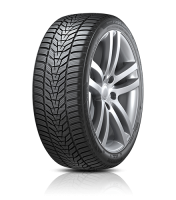
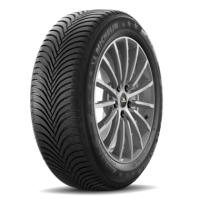
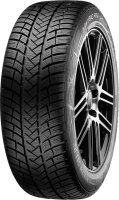
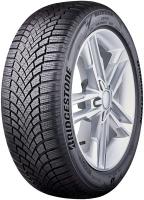
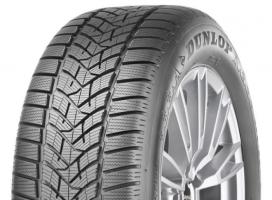
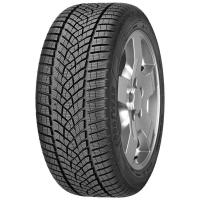
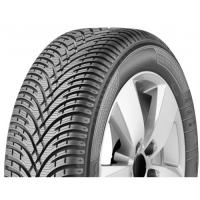
it is the second winter i am having gForce Winter 2 and i am really amazed by his snow performance. It lacks performance at the dry, but what a snow tyre!
Coincidentally, I came here to ask a very similar question, to the question below. I'm really trying to compare the CC2 to the Wintrac Pro for my winter setup. Particularly for wet performance, I assumed that all weather would do better. While there is no direct test, I noticed the Quatrac Pro did better than the CC2 in the wet in autobild all season test. And the Quatrac Pro did worse the the Wintrac pro in the wet in this test. Can I then assume that the Wintrac Pro will do better than the CC2 in the wet?
However if you saying below that quiet updates happen all the time, my assumptions are vulnerable.
Even more so, the older model performance winters tires we get in North America ( Sotto3, Wintrac Pro, PA4 ). I was using the test data from older European tests to make my decisions. Can I no longer assume that the pilot Alpine PA4 or the wintrac Pro, in the American marketplace are the same as what was available in Europe 5 years ago? Tires are complicated man.
Tyres are complicated, even more so when you start getting to tyres vs tires as the same names can be different tyres (North American CC2 is different from European CC2).
It's a headache for me.
Indeed, but in the end, selecting a good tire is not difficult, trying to figure out what the best is for your situation is what's difficult so it's not really much of a problem is it.
"Tyre vs Tire" subtle, clever.
These are some interesting results! In wet braking and wet handling the reference Vredestein Quatrac Pro all-season tyre scores worse than almost every winter tyre. In the all-season test Autobild did earlier, the exact same tyre (Vredestein Quatrac Pro) achieved the best score in wet braking and wet handling beating other all-season tyres and interestingly also beating the (anonymous) reference winter tyre in that test. What would cause that difference? Why is the same tyre in this test worse in wet than the winter tyres and better than a reference winter tyre (and every other all-season tyre) in another test? Would this be because of the size (in this test 18 inch, in the all-season test 17 inch)? Maybe the reference winter tyre in the all-season test was just a shitty tyre? Or the temperatures (22 degrees in the all-season test, unknown in this test)?
That's a good bunch of questions :D
My guess would be that the 17" in the all season test would have received an update, where as the 18" here hasn't yet. But I'll pass on the question to Vred and see what they say.
Of course, only auto bild really know the answer.
That's another possibility I didn't think of! But if the Vredestein tyre received such an update that has a significant impact, would Vredestein not called it Quatrac Pro 2, Quatrac Pro S or Quatrac Pro Evo or something? If I had to guess, I'd put my money on difference in temperature. The all-seasons were tested at too high temperatures (22c) and maybe the winter tyres were tested at or below freezing? Maybe I should ask AutoBild.
Would love to see a test similar to the test you did a few years ago with tyres at different temperatures but then with more tyres. Four of the best tyres in categories of summer, winter and all-season at different temperatures in wet and dry to see when what tyres performance best.
If you do ask Auto Bild let me know if you get a reply!
I'm not sure why names don't change with updates, but it's not uncommon for tyres to get silently updated a number of times in their life, sometimes they're significant updates too. The only way to tell is that the EAN changes, but that's not usually easy to find data.